

Understanding the Nexus of Sleep and Technology
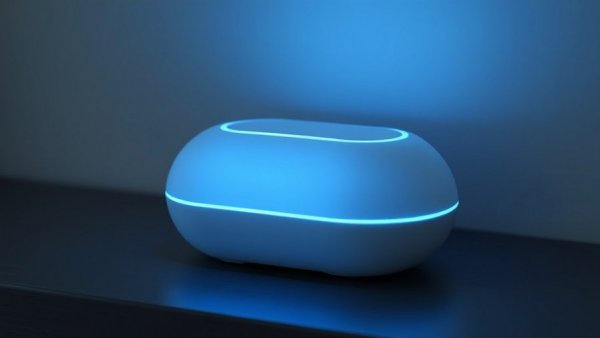
In recent years, the intersection of sleep and technology has revolutionized how we approach rest. As society has become more aware of the detrimental effects of sleep deprivation, innovations in the realm of sleep gear—online consultations with sleep specialists, high-tech mattresses, and even smart sleep monitoring devices—keep surfacing. These devices promise to optimize our sleeping habits and improve our health dynamics. The video titled Designed for Sleeping… ? embarks on a closer look at whether these advancements are genuinely beneficial or simply a market trend.
In the video Designed for Sleeping… ?, the discussion highlights the complexities of sleep technology, prompting us to analyze these key insights further.
Technology's Influence on Sleep Quality
As we analyze sleep-enhancing technologies, it’s essential to understand why making sleep a priority is vital. Research indicates that adequate sleep dramatically affects our cognitive abilities, emotional regulation, and overall mental and physical well-being. Technology companies have leveraged this knowledge to create products that claim to improve sleep quality—from sleep apps that lull you into rest with soothing sounds to smart lighting systems designed to enhance your melatonin production by adjusting brightness. But how effective are these technologies? Do they offer tangible benefits, or are they merely gadgets meant to grab attention and wallet shares?
Do We Truly Need High-Tech Solutions for Sleep?
A common sentiment often echoed in discussions is that despite high-tech solutions’ presence—such as sound machines, special pillows, or fitted sheets—many still struggle with insomnia or restless nights. Here lies the juicy irony: while technology promises enhancement, many sleep experts recommend reverting to basic rituals for better sleep. Calming environments, consistent schedules, and mindful practices might ultimately offer the solace we seek without gadgets. Are we chasing convenience and a shiny object rather than exploring foundational habits to improve our sleep?
The Rise of Sleep Consultants and Strategies
With more people facing sleep troubles, another trend is emerging—consulting sleep specialists. These experts provide invaluable guidance tailored to individual needs, advocating personalized approaches over one-size-fits-all gadgets. They explore factors ranging from diet to stress management, reinforcing the idea that sleep disturbances often reflect broader lifestyle issues. In a world saturated with quick fixes offered by tech, perhaps it’s essential to take a step back and consider holistic strategies for better sleep.
Future Trends in Sleep Technology
Looking ahead, the likelihood of sleep tech becoming even more ingrained in daily life seems high. As technology continues to evolve, we can anticipate advances in AI and machine learning to aid in tracking sleep patterns more acutely. Imagine a smart bed that analyses your sleep cycle, offering insights and real-time adjustments for an ideal sleeping environment. Yet, there remains a crucial question—will these innovations lead us to deeper, more restorative sleep, or will they add yet another layer of distraction to our lives?
Social Pressure and Sleep Culture
In today’s fast-paced world, acknowledging sleep as a priority can be challenging due to relentless social pressures. In cultures that glorify busyness, people often wear sleep deprivation as a badge of honor. This leads to an interesting contradiction: as we become increasingly sleep-deprived, there’s an ironic embrace of sleep technologies as an antidote. Understanding the societal implications of sleep habits could pave the way for collective healing and better rest—promoting a mindset that values rest just as we do productivity.
Final Thoughts on Sleep and Technology
In conclusion, whether we are reaching for the latest sleep tech or simply reflecting on our bedtime practices, it is vital to ask ourselves what we truly need to improve our rest. The video Designed for Sleeping… ? ignites this crucial conversation, shedding light on the balance between innovative solutions and the simplistic practices that may offer genuine improvement. So, as we embrace the latest trends in sleep gear, let’s remember that sometimes, the best tech solutions might not be techy at all—sometimes, they’re just a commitment to our health and well-being.




Write A Comment