

Add Row
Add Element
Tech Life Journal
update
Tech Life Journal 
update
Add Element
  • Home
  • Categories
    • Innovation
    • Digital Tools
    • Smart Living
    • Health Tech
    • Gear Review
    • Digital Life
    • Tech Travel
    • Voices in Tech
  • Featured
August 22.2025
3 Minutes Read

Can Diagnosing Diabetes Be as Simple as Breathing Into a Bag?

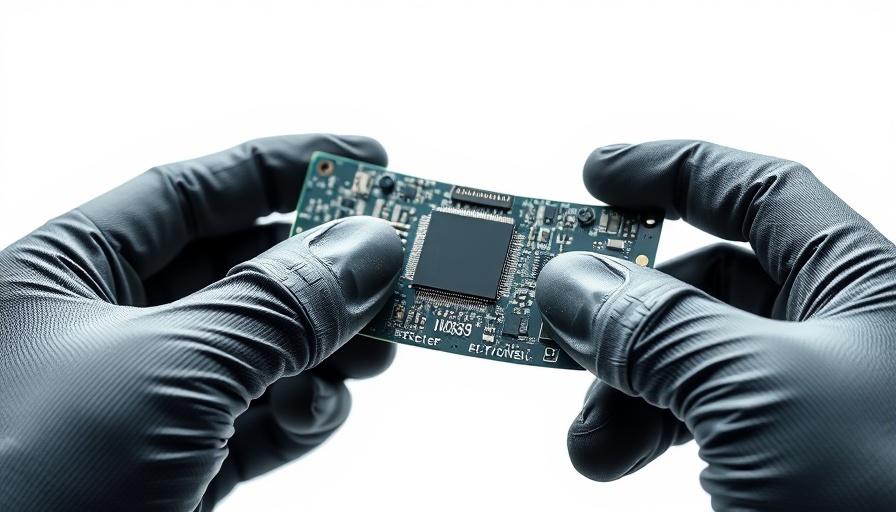
Flexible sensor in gloved hands for diabetes diagnosis breath analysis.

Revolutionizing Diabetes Diagnosis: A Breath of Fresh Air

Imagine a world where diagnosing diabetes is as simple as breathing into a bag. Groundbreaking research emerging from the University of California, Irvine, is proposing a new non-invasive method that can detect diabetes through volatile organic compounds (VOCs) present in human breath. This innovative approach, which stands to benefit millions, could significantly alter how diabetes is identified and managed.

The Science Behind Breath Analysis

Diabetes affects over 463 million people worldwide, according to the International Diabetes Federation. Traditional diagnostic methods often include blood tests and invasive procedures, which can discourage individuals from seeking early treatment. The study from UC Irvine focuses on breath analysis, leveraging advanced gas chromatography-mass spectrometry to isolate specific VOCs related to glucose metabolism.

The principle is straightforward: as the body processes glucose, it emits particular compounds through breath. By identifying and analyzing these compounds, researchers believe it's possible to not only diagnose diabetes but also monitor its progression in real-time. This could open doors for preventative measures that were previously unattainable.

Future Trends in Diabetes Management

Looking forward, non-invasive testing could become the standard in diabetes management, similar to what continuous glucose monitors (CGMs) have done for those living with diabetes. The potential integration of breath-based diagnostics into wearable technology exemplifies how innovation continues to redefine healthcare.

The convergence of biotechnology and consumer technology means that the next generation of diabetes management tools might include smart devices that not only diagnose but also provide recommendations in real-time.

Broader Implications for Healthcare

Beyond simply diagnosing diabetes, this technology has implications for other metabolic disorders, potentially leading to a more comprehensive understanding of a person's health. The ability to monitor various health markers through breath could offer an incredibly user-friendly approach that encourages more people to engage with their health proactively.

Moreover, as the world continues to grapple with the COVID-19 pandemic, where breath analysis also showed potential for early detection of respiratory diseases, this technology could serve as a dual-purpose tool, emphasizing the value of multi-functional diagnostic methods.

Obstacles and Considerations

Despite the promising nature of this technology, several hurdles remain. Clinical validation is a significant roadblock; researchers must ensure that breath testing is consistently reliable across diverse populations and varying conditions. The accuracy and specificity of the tests will need to meet strident medical standards to gain acceptance among healthcare professionals and patients alike.

Moreover, widespread rollout of breath testing will require education and infrastructure that many regions currently lack. Health equity must be considered to ensure that all populations have access to these innovative technologies.

Conclusion: The Importance of Innovative Diagnostics

As scientists and researchers forge ahead with this radical new diagnostic tool, it’s crucial to recognize the balance between marveling at technological advancement and pragmatically assessing its place within our healthcare systems. The dream of breathing into a bag to diagnose a life-altering disease might not be too far off. Stay informed about these developments that can transform the realm of health technology.

Follow the latest breakthroughs in health tech to see how innovation continues to pave the way for a better and healthier future.

Health Tech

Write A Comment

*
*
Related Posts All Posts
01.06.2026

Fort Worth's Mobile Blood Transfusion Program: A Lifeline for Victims

Update Revolutionizing Emergency Care: Fort Worth's Mobile Blood Transfusion Program In a groundbreaking shift in emergency medical response, Fort Worth, Texas, has introduced a mobile blood transfusion program that is changing the landscape of prehospital care. This innovative approach allows paramedics to administer blood transfusions at the scene of traumatic injuries, potentially saving lives during critical moments when every second counts. The Dire Need for Immediate Blood Supply Before this program's inception, bleeding patients often struggled without immediate care, with transfusions typically reserved for hospital arrival. Studies have revealed a disheartening reality: many patients with severe hemorrhaging succumb to their injuries while waiting to reach medical facilities. Recognizing this glaring gap, Fort Worth's emergency medical service (EMS) providers took action. A Life-Saving Initiative in Action In its first eight months, Fort Worth's mobile blood transfusion program has already had a profound impact, with more than 150 units of blood administered to around 140 patients. Impressively, over 60% of these cases involved patients injured in shootings, stabbings, and car accidents, while the remainder suffered from medical issues like gastrointestinal disorders. This approach has not only stabilized many patients but has also contributed immensely to their survival chances. Captain Trent Robinson, a critical care paramedic, played a pivotal role in this new initiative. During a recent operation, he administered blood to a shooting victim whose condition was rapidly deteriorating. His quick action and access to blood transfusions helped reverse the patient's shock symptoms, showcasing the life-saving potential of this program. As their blood pressure improved from dangerously low levels, the patient was stabilized sufficiently to survive the transport to the hospital. Advancements Driving Change This transition to providing blood at the scene isn't isolated to Fort Worth. Other areas, including Dallas and Arlington, are also seeing similar initiatives coming to fruition. The establishment of these mobile transfusion programs follows mounting evidence indicating that timely transfusion for hemorrhaging patients can dramatically improve survival rates. Inspired by a six-part investigative series, regional EMS staff have demonstrated how critical immediate care is in these situations. Learning from Pioneering Programs Fort Worth’s pioneering blood program draws inspiration from long-standing efforts in other regions, notably San Antonio, where paramedics have administered nearly 1,800 units of blood over seven years. Exchanging learning experiences and success stories among EMS teams has fueled the confidence required to implement this vital service. A Vision for the Future The future of this initiative holds promising potential. Leaders like Dr. CJ Winckler, deputy medical director for the San Antonio Fire Department, advocate for state funding to expand these programs, hoping to achieve uniform access to blood transfusions across Texas, especially in rural areas where transport times to hospitals can be lengthy. Their testimony to state legislators has resulted in substantial funding for these life-saving measures. Conclusion: A New Standard in Emergency Medicine Fort Worth’s mobile blood transfusion program is signaling a new era for emergency medical care, where timely interventions are becoming the norm rather than the exception. With lifesaving treatments at the ready, the standard of care for victims of trauma continues to rise. As awareness grows and funding becomes available, this model promises to enhance emergency responses across the nation. For those living in or near Fort Worth, this development not only represents improved medical response but underscores a community commitment to compassion and quick, effective action in the face of critical emergencies.

01.06.2026

How Fort Worth's Mobile Blood Transfusion Program is Saving Lives

Update Revolutionizing Emergency Care with Mobile Blood Transfusion In Fort Worth, Texas, a groundbreaking initiative is transforming emergency medical services (EMS) by allowing paramedics to administer lifesaving blood transfusions in the field. This program, which has been operational for just over eight months, has already made a significant impact, with over 140 patients receiving more than 150 units of blood. This vital service has revolutionized how trauma care is delivered, especially for patients suffering from acute hemorrhaging where every second counts. A Life-Saving Intervention Recent evidence underscores the critical need for direct access to blood products during emergency situations. For years, bleeding patients were often required to wait until they reached hospital facilities for transfusions— a delay that could prove fatal. New research indicates that administering blood early can significantly improve survival rates, particularly in cases of severe blood loss due to injuries such as shootings, stabbings, and car accidents. In Fort Worth, paramedics are now equipped with coolers containing blood units, allowing them to respond immediately to critical situations. Real-Life Impacts of Mobile Blood Use The meaningful effects of this initiative have been illustrated in real-life scenarios. Take, for example, Capt. Trent Robinson, who recently aided a shooting victim in urgent need. His swift action administering a unit of blood on the way to the hospital demonstrated how critical this service can be. The patient's blood pressure stabilized with the infusion, allowing them the chance at recovery that would not have been as feasible without such intervention. Emergency medicine experts like Dr. Jeff Jarvis have noted this program's impressive growth and necessity, calling it a "major step forward" in prehospital care. From Idea to Implementation Before the introduction of mobile blood transfusion programs, patients often bled out en route to hospitals, exacerbating their injuries and reducing their chances of survival. The Fort Worth Fire Department's blood program emerged following widespread reports detailing the crisis of preventable bleeding deaths, prompting EMS authorities to advocate for the immediate provision of blood to patients in the field. In partnership with various organizations, including Carter BloodCare, Fort Worth has successfully implemented trainings and protocols to ensure blood is available for EMS teams operating across multiple jurisdictions. This collaboration has aligned with developments in nearby cities, including Dallas and Arlington, which are following suit. Success Stories Highlighting the Need Successes like those of 13-year-old Luke, who received a blood transfusion after an accidental shooting, showcase the essential role of blood availability in preserving life. Thanks to early blood access through EMS initiatives, Luke survived extensive injuries and has since made a full recovery. His story, along with many others, underscores the value of having blood products within reach during emergencies where traditional methods of care may fall short. The Path Forward for EMS Blood Programs Looking ahead, the focus on expanding EMS blood transfusion programs continues to gain support. The recent successful funding from Texas legislators aims to ensure that these programs can be sustained and scaled. With enthusiastic backing from first responders and successful case studies, advocates are confident that having blood ready for emergencies is a game-changer in trauma care across Texas. Taking Action: Donating Blood Matters Essential to the success of these mobile blood transfusions are the dedicated blood donors who ensure a steady supply of this life-saving resource. Organizations are urging community members to step up and participate in blood donation initiatives, fostering a culture of support for emergency medical needs. With compelling stories driving the message, advocates encourage everyone to consider becoming regular blood donors to help save lives. As this life-saving initiative continues to develop, the community's involvement remains imperative. The ease of providing blood when it matters most can significantly alter patients' outcomes, and every donor can contribute to creating more success stories in Texas.

01.06.2026

Understanding Security Debt in Healthcare IT: Key Insights for Improvement

Update The Growing Concern of Security Debt in Healthcare IT In today's rapidly evolving digital landscape, healthcare organizations face unique challenges when it comes to cybersecurity. While IT teams have long discussed the notion of technical debt, they are now becoming increasingly aware of an equally pressing issue: security debt. Security debt is the gradual accumulation of vulnerabilities as technology evolves and organizational practices fall behind, ultimately posing significant risks to patient safety and data integrity. What Is Security Debt, and Why Does It Matter? Security debt differs from technical debt primarily by focusing on hidden risks associated with technological and procedural gaps. In healthcare, this is especially problematic due to the need to integrate various specialized medical devices, outdated legacy software, and emerging technologies. According to experts, a startling statistic reveals that approximately 96% of hospitals continue to operate using end-of-life systems containing known vulnerabilities. This precarious reliance on outdated infrastructure not only complicates compliance but can also hamper critical patient care capabilities. A breach in such systems can halt essential operations and detrimentally affect patient outcomes, making managing security debt a moral imperative for healthcare providers. Common Causes of Accumulating Security Debt Healthcare organizations often accumulate security debt for several reasons. Rapid advancements in technology compel organizations to adopt new solutions quickly, often leading to temporary fixes that stack up over time. Furthermore, implementing specialized equipment can result in a patchwork of systems that lack proper integration, ultimately increasing their vulnerability to cyber threats. Relying on quick fixes rather than sustainable practices can also exacerbate the situation. For instance, legacy electronic health record (EHR) systems may require extensive workarounds to maintain compatibility with newer technologies, further complicating operational efficiency and security. Consequences of Ignoring Security Debt Failing to address security debt can lead to serious ramifications for healthcare organizations. Beyond financial losses and potential reputational damage, there are tangible risks that can result in life-threatening scenarios. For example, a cyberattack might disrupt hospital procedures and delay access to critical patient information. Given that healthcare stakeholders prioritize patient safety, overlooking security debt must be recognized as an urgent concern. Strategies for Mitigating Security Debt Healthcare IT teams can take various approaches to mitigate security debt effectively: Continuous Monitoring: Implement real-time visibility tools to assess security status across networks and prioritize remediation efforts. Invest in Quality Tools: High-quality vulnerability assessment tools can help identify issues before they escalate into severe problems. Develop a Phased Replacement Plan: Systematically transition away from outdated systems to ensure minimal disruption and maximum effectiveness. Promote Interdepartmental Collaboration: Healthcare leaders must advocate for security as a priority in capital planning and ensure IT remains integrated with clinical operations. Balancing Security Needs with Clinical Priorities As healthcare organizations work to address security debt, IT teams face the challenge of balancing security initiatives with ongoing clinical demands. They must communicate effectively with management to emphasize how investing in cybersecurity is essential for protecting both patients and the organization itself. Solid data presentation regarding security risks can bolster these discussions and push security debt reduction up the agenda. Conclusion: The Path Forward In summary, security debt is a pressing issue for healthcare organizations, threatening both patient safety and the integrity of healthcare delivery. By understanding the causes and consequences of security debt, healthcare IT teams can begin devising strategies to effectively manage and mitigate its impacts. Fostering a culture of vigilance and prioritization for cybersecurity strategy will ultimately safeguard the future of patient care and fortify organizational resilience in an increasingly complex landscape. Explore further by advocating for your IT department's security initiatives to ensure that patient safety remains at the forefront of healthcare operations.

Image Gallery Grid

Terms of Service

Privacy Policy

Core Modal Title

Sorry, no results found

You Might Find These Articles Interesting

T
Please Check Your Email
We Will Be Following Up Shortly
*
*
*