Tech Life Journal
Tech Life Journal 
  • Home
  • Categories
    • Innovation
    • Digital Tools
    • Smart Living
    • Health Tech
    • Gear Review
    • Digital Life
    • Tech Travel
    • Voices in Tech
  • Featured
July 19.2025
3 Minutes Read

Discover the Best Samsung TVs of 2025 for Streaming and Gaming

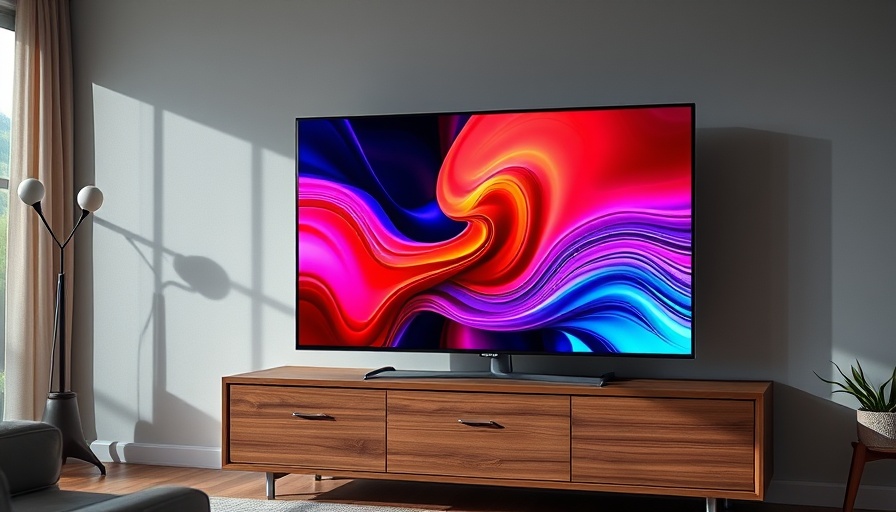
Samsung OLED TV with vibrant display in a modern room.

The Future of Home Entertainment: A Look at Samsung's Best TVs

In an ever-evolving tech landscape, choosing the right television can feel daunting. Samsung, a prominent name in the industry, has released a range of models in 2025 that cater to diverse tastes and budgets. From budget-friendly options to high-end OLED displays, the selection is impressive and aimed at enhancing your home viewing experience.

Why Samsung Leads the Pack

Samsung's reputation in the TV market is well-earned. Their combination of cutting-edge technology and user-friendly features has made them a favorite among consumers. The QLED technology they popularized offers vivid colors and deep contrasts that enhance everything from streaming series to immersive gaming.

What's New in 2025 TV Models?

This year, Samsung has fortified their lineup with enhancements that appeal to both casual viewers and dedicated gamers. The latest models feature increased refresh rates and advanced gaming modes designed to reduce lag—a game-changer for any serious gamer. Additionally, the SmartThings integration within Samsung TVs provides seamless connectivity with other smart devices, proving that these TVs are about more than merely watching shows.

Budget-Friendly Options to Suit Every Home

Not everyone has the budget for premium panels, and Samsung acknowledges this through its range of budget-friendly smart TVs. These models come equipped with essential features while maintaining exceptional overall quality. Users can enjoy 4K resolution, access to popular streaming services, and voice-controlled capabilities, all without breaking the bank.

Understanding OLED Versus QLED: Which Is Right for You?

A common question among consumers remains: should I choose OLED or QLED? OLEDs offer superior black levels and infinite contrast ratios, allowing for stunning HDR experiences. In contrast, QLEDs are known for their brightness, making them an excellent choice for rooms with abundant natural light. Depending on your viewing habits and environment, either option can substantially enhance your entertainment experiences.

Consumer Insights: What Users are Saying

Feedback from real users is invaluable when considering a major purchase like a TV. In online forums and review platforms, Samsung TVs consistently receive praise for their user experience and features. Many users have noted how much they appreciate the Samsung Smart Hub, which aggregates apps and services in one easy-to-navigate interface.

Expert Reviews: Independent Testing Highlights

Independent testing remains critical in today’s digital marketplace. Agencies that have rigorously tested Samsung’s latest models endorse their reliability and performance. Some reviews highlight the sound quality as another significant advantage, with models featuring Dolby Atmos technology that revolutionizes audio quality, drawing viewers into the action.

Conclusion: Make an Informed Choice

With an array of models available, choosing the right Samsung TV for your home has never been easier. Whether you are an avid gamer or a casual viewer, Samsung’s offerings in 2025 provide something for everyone—merging quality, price, and essential tech features into one comprehensive package. As you consider your options, remember to look beyond the specs and think about how each feature aligns with your viewing habits. Samsung has certainly made its mark in the home entertainment sector, and now it's your turn to decide which model fits your unique lifestyle.

Smart Living

0 Comments

Write A Comment

*
*
Please complete the captcha to submit your comment.
Related Posts All Posts
08.25.2026

How Businesses Can Reinvent to Scale Agentic AI Adoption Effectively

Update Understanding the Current State of Agentic AI AdoptionThe landscape of artificial intelligence (AI) is rapidly evolving, yet significant gaps remain in how businesses are adopting agentic AI. According to recent research by Deloitte, only 15% of US-based organizations have successfully implemented scaled, orchestrated multi-agent systems across their operations. This startling statistic indicates that while many firms are experimenting with these technologies, few have moved beyond pilot programs to fully integrate AI into their core business processes.Reinventing Business Models for AI AccelerationAs businesses explore the potential of agentic AI, many face challenges that compel them to reevaluate their existing business models. A striking 63% of business leaders acknowledge that they are reassessing their operational frameworks amidst the technological advancements presented by AI. This introspection is crucial; half of them report possessing a clear vision of a future operating model that leverages AI's capabilities. In an age where technology is advancing at breakneck speed, fostering a culture of adaptability will play a pivotal role in navigating the complexities of AI deployment.The Crucial Role of Workforce TransformationCritical to the success of agentic AI adoption is a transformative approach to workforce development. The current data reveals that only one in five businesses feel their employees are ready for the transition to environments powered by AI agents. Upskilling and reskilling initiatives are essential to prepare the workforce for the changes ahead. Many companies are having issues integrating AI agents because they are attempting to layer these technologies onto outdated legacy systems instead of reimagining and redesigning their processes to accommodate this new paradigm.Overcoming Data and Integration ChallengesFurthermore, businesses are grappling with significant hurdles, as evidenced by the research. A staggering 72% of executives cite the lack of a unified and accessible data foundation as a major impediment, while 70% underscore their inability to trust and govern the AI agents effectively. The complexity of integrating AI solutions into existing business structures, which poses a challenge for 67% of respondents, highlights the urgent need for businesses to prioritize foundational changes in their data management practices.Looking Ahead: The Future of Agentic BusinessesBy the year 2030, predictions indicate that nearly half of all business processes could be redesigned around AI agents, as stated by 74% of business leaders. In the coming years, the demand for increasingly autonomous AI systems—operating with minimal human involvement—will rise. However, current readiness levels are alarming, with only 16% of leaders asserting that their organizations are prepared to embrace agentic AI now. This stark reality reflects the pressing need for strategic foresight and robust planning to facilitate a successful transition.The Value of Process Redesign Beyond TechnologyWhile the temptation may be to focus primarily on the technological capabilities of AI, there is a deeper, relational transformation necessary for becoming an agentic enterprise. Success in this space hinges on understanding that technology should not simply be integrated into legacy processes; rather, businesses must embrace a mindset of redesign that challenges traditional operational norms.Call to Action for Business LeadersAs we stand at the intersection of technology and transformation, it's crucial for business leaders to take proactive steps in rethinking their organization’s framework for AI integration. Leaders should commit to investing in their workforce, establishing cohesive data strategies, and prioritizing process redesign to truly capitalize on the promises of agentic AI. The time to act is now—seize the opportunity to shape a future where AI not only enhances operations but redefines them.

08.22.2026

Transform Your Old TV Into a Computer Monitor: Here’s How!

Update Unlock Your Old TV’s PotentialMany households have that older TV sitting in the corner, often underappreciated and seldom used. However, did you know that this seemingly outdated device can be transformed into a functional computer monitor? With just a few simple steps, you can breathe new life into your monitor setup without spending a dime. This guide explores how to integrate your TV as a monitor for your Mac, Windows, or Linux laptop, utilizing equipment you might already have! Why Use Your TV as a Monitor?Before diving into the setup, you might wonder: why use a TV as a monitor? For starters, televisions often offer larger screens than traditional monitors, providing a wider view for gaming, streaming, or working on projects. This becomes particularly valuable if you're on a budget or looking for a dual-screen setup without the hefty cost of a new monitor. Additionally, using your existing TV means reducing e-waste, which is a win for the environment! Simple Steps to Connect Your DevicesConnecting your TV to your computer can be achieved easily with either a wired or wireless method: 1. The Wired ConnectionThe most straightforward way is utilizing an HDMI cable. Depending on your setup, this method facilitates a seamless connection. Simply plug one end of the HDMI cable into your computer and the other into your TV, and select the correct input source on your television. In most cases, this will mirror your computer's desktop onto your TV. 2. Using AdaptersIf your device relies on Thunderbolt or DisplayPort, you’ll need an adapter, which generally costs between $10 and $15. However, it's important to note that while the HDMI connection provides simplicity, it does not deliver the same high-speed data transfer as more advanced monitor connections. 3. Go WirelessIf you prefer a clutter-free workspace, consider wireless options. Many smart TVs today support screen mirroring technologies like Apple’s AirPlay or Google Cast. While convenient, be aware that these methods can introduce input lag and resolution compromises as data is wirelessly transmitted. Tips for Optimal PerformanceWhile connecting your TV as a monitor can be a game changer, here are some practical tips to enhance your experience: Adjust the Display Settings: Make sure to adjust the display settings on your computer to ensure the best resolution for your TV, as TVs might not automatically optimize for office tasks or gaming. Reduce Input Lag: If using wireless connections, try to keep your devices as close to the router as possible to minimize any lag. Calibration: Depending on the TV, calibration might be necessary for color accuracy and clarity. Take some time to personalize your settings, making it easy on the eyes for longer work periods. Counterpoints and LimitationsWhile having a TV as a monitor has its benefits, it’s essential to consider potential drawbacks. For specific tasks like high-speed gaming or detailed video editing, a purpose-built monitor may offer superior performance. Additionally, the pixel density typically isn’t as high with TVs compared to modern computer monitors, which could affect clarity and detail during close-up work. Conclude with Fun Use CasesImagine streaming movies on a larger-than-life screen, playing your favorite games without investing in an elaborate setup, or effortlessly collaborating with family on projects from the comfort of your living room. Leveraging your TV as a monitor opens up creative avenues and shares ideas that can transform your entertainment and work-life balance. So, what are you waiting for? It’s time to connect your old TV and enjoy the myriad of possibilities. Explore how this simple adjustment can change your workspace dynamics and maximize your viewing experience!

08.21.2026

Why I Prefer the Pixel 11 Pro Fold Over the Galaxy Z Fold 8

Update Why Durability Matters in Foldable PhonesWhen it comes to choosing a foldable phone, durability often trumps all other considerations, especially for active users. The Samsung Galaxy Z Fold 8 and the Pixel 11 Pro Fold are both impressive, but they cater to different needs. During my recent vacation in Myrtle Beach, I realized the importance of dust and water resistance while navigating sandy beaches. Sand can cause significant damage to devices that lack proper protection, leading phone users to choose options based on their ability to withstand outdoor elements.An Intimate Comparison: The Pixel 11 Pro Fold vs. Galaxy Z Fold 8Samsung's Galaxy Z Fold 8 offers remarkable features, including a sturdy hinge and impressive internal storage. However, it lacks an essential aspect: dust resistance. The phone's IP48 rating may protect against moisture but lets in potentially damaging particles like sand. On the other hand, the Pixel 11 Pro Fold sports an IP68 rating, providing peace of mind for users who often find themselves in outdoor or sandy environments. This tangible benefit was highlighted during my beach excursions where the fear of damaging my device loomed large.Key Features That Set the Pixel 11 Pro Fold ApartGoogle's Pixel 11 Pro Fold is engineered for durability. At a glance, it presents a sleek, lightweight profile that is designed to endure the rigors of daily use. The recent upgrades include a thinner design and reduced weight, creating a device that feels both sturdy and portable. Moreover, the integration of magnetic charging capabilities and a glass back that resists cracking adds to the overall durability of the Pixel 11 Pro Fold. While it may not have the commercial clout of its competitors, it's hard to ignore its dedication toward creating a reliable device.Practical Insights for Choosing a Foldable PhoneWhen selecting a foldable phone, consider how you use your device. If your lifestyle includes outdoor activities or travel, opt for a model with higher dust and water protection. The Pixel 11 Pro Fold challenges the notion that you must sacrifice durability for a stylish design. Its robust build quality, combined with sleek aesthetics, positions it well against the Galaxy Z Fold 8.What the Future Holds for Foldable TechnologyAs the market for foldable phones evolves, one can expect manufacturers to prioritize durability as a cornerstone feature. Future models likely will combine innovative design with refined material engineering to provide users with devices that not only look good but also withstand everyday challenges, including moisture and dirt exposure. This demand for durability among consumers could spark a shift in design philosophies across the industry.Final Thoughts on Choosing Your Foldable DeviceIn conclusion, selecting a foldable phone is a personal journey influenced by individual needs. The Pixel 11 Pro Fold is a fantastic option that seamlessly blends advanced features with an emphasis on durability. My experience with it during my recent vacation solidified my preference for its resilience and functionality. Users must thoroughly evaluate the features that align with their lifestyle because the wrong choice could lead to unnecessary stress and device upgrades.

Where innovation meets everyday life.

COMPANY

  • Privacy Policy
  • Terms of Use
  • Advertise
  • Contact Us
  • Menu 5
  • Menu 6

ABOUT US

Tech Life Journal explores how technology influences modern living and local business. It features interviews with tech-savvy professionals, insights on smart solutions, and reviews of emerging tools. Perfect for businesses using or creating tech, and readers looking to stay on the cutting edge.

© 2026 CompanyName All Rights Reserved. Address . Contact Us . Terms of Service . Privacy Policy

Terms of Service

Privacy Policy

Core Modal Title

Sorry, no results found

You Might Find These Articles Interesting

T
Please Check Your Email
We Will Be Following Up Shortly
*
*
*