

Add Row
Add Element
Tech Life Journal
update
Tech Life Journal 
update
Add Element
  • Home
  • Categories
    • Innovation
    • Digital Tools
    • Smart Living
    • Health Tech
    • Gear Review
    • Digital Life
    • Tech Travel
    • Voices in Tech
  • Featured
June 25.2025
4 Minutes Read

Discover the Nike Hyperboot: A Breakthrough in Athletic Recovery

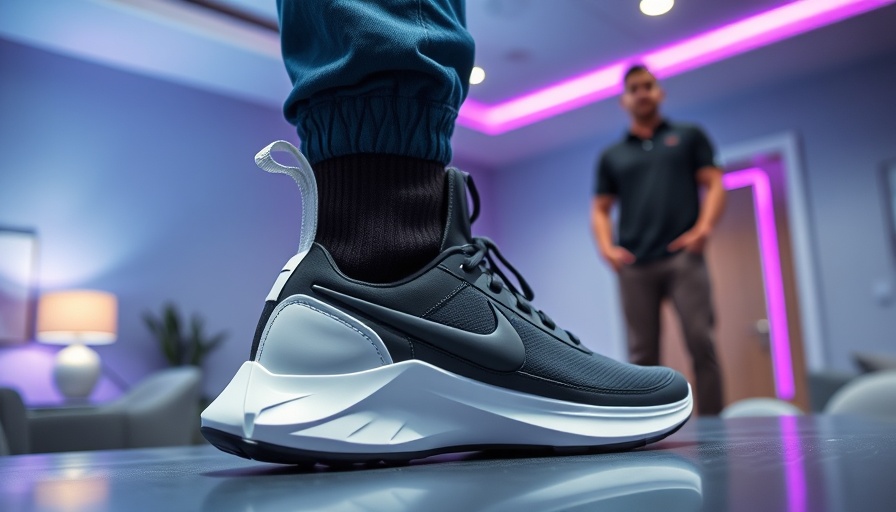
Nike Hyperboot athletic recovery shoe with man in background.

The Future of Footwear: The Nike Hyperboot Revolution

The latest release from Nike, the Hyperboot, is generating buzz not just for its futuristic appearance but also for its innovative technology aimed at athlete recovery and performance enhancement. Unlike traditional sneakers designed solely for style, the Hyperboot is a high-tech piece of wearable equipment that merges sports technology with practical application. This collaboration between Nike and Normatech focuses on dynamic air compression and thermal technology to help athletes warm up and recover efficiently. The foot-and-ankle compression is tailored for maximum circulation enhancement and fatigue reduction, promising a transformative experience for sports enthusiasts.

In 'Unboxing The Most Futuristic Sneakers', the video dives into Nike's latest innovative release, prompting us to explore the transformative impact of the Hyperboot in athletic recovery.

This Isn’t Just Another Sneaker

What sets the Hyperboot apart is its purpose-driven design. Athletes can wear them as they go about their routines, allowing for greater mobility compared to traditional compression devices. This feature particularly appeals to athletes looking for efficiency in their recovery methods. With a unique wireless setup, the Hyperboot offers users the freedom to move around while benefiting from the heat and compression it provides. It's like having a therapy session encased in footwear, inviting a new wave in the sports gear industry where functionality meets futuristic design.

A Deep Dive into the Technology

The Nike Hyperboot employs Normatech’s proven air compression technology, which was designed with recovery and injury prevention in mind. The adjustable compression levels allow users to customize their recovery sessions based on their personal needs. This means you can use more compression on one foot as needed, which is incredibly useful for targeted recovery from injuries. This personalization resonates well with the trend toward tailored health solutions in sports. Moreover, the boot also features a heat setting—a luxury often reserved for post-training treatments, now available pre-activity as well.

Investment in Recovery: Is It Worth It?

Price tags can be a hurdle for many consumers, and at around $900, the Hyperboot positions itself in a premium category. However, this investment can be justified for serious athletes who prioritize recovery as a part of their training regimen. With professional athletes already using them for warm-ups, the Hyperboot adopts an elite status that could appeal to everyday athletes looking to optimize performance. It begs the question—are we at a turning point where investment in technology-fueled recovery devices is seen as essential for performance enhancement?

Revolutionizing Recovery: Real Stories and Impacts

Imagine being on the sidelines of a big game, feeling the adrenaline, but then realizing you need to warm up faster and recover better from your last match. That’s the reality for many athletes today, and the Hyperboot aims to address that by merging high-tech features into something that feels familiar—a boot. Early testers report feeling a distinct difference in their readiness for action, signing off on the merge of health tech and sports. This could very well redefine not only how we view warm-ups and recovery but also how we approach resilience in sports.

Counterarguments: Is It Just a Trend?

While many athletes and enthusiasts praise the Hyperboot, a segment of skeptics question whether such technology transcends into a marketing gimmick. The bold design and hefty price tag may seem more like an overpriced sports gadget than a necessity for recovery. Critics might argue that traditional recovery methods, such as stretching and proper hydration, remain the cornerstone of athlete preparedness. Nevertheless, embracing new technology can often propel innovation forward, challenging athletes to rethink traditional training and recovery regimes.

Looking Ahead: Future of Athletic Gear

The convergence of technology within athletic footwear and gear paints an exciting picture for the future of sports. Wearable tech is becoming increasingly sophisticated, promoting not just performance but also health and wellness among athletes. As we see more collaborations like this between established brands and emerging technologies, it is likely we are standing on the brink of a revolution in how athletes prepare, recover, and take care of their bodies.

Final Thoughts

The Nike Hyperboot signifies more than just an advancement in athletic footwear; it represents a shift in our understanding of recovery in sports. As technology evolves, so too does our approach to what we define as athletic performance. By integrating thoughtful design with innovative technology, Nike and Normatech are leading the charge toward a performance-oriented future. If you're passionate about sports and looking to elevate your training routine, the Hyperboot could be a game changer in your recovery toolkit.

Discover how you can step up your recovery game with the Nike Hyperboot

Gear Review

Write A Comment

*
*
Related Posts All Posts
11.15.2025

How AI Can Help You Enhance Your Everyday Tasks and Productivity

Update How AI Is Changing the Game in Everyday Life Artificial Intelligence is no longer just a futuristic concept; it’s a hands-on tool helping us in our daily tasks. In the recent video, AI can SEE what you're doing, but helps you instead..., Microsoft Windows takes an intriguing leap into the future with AI capabilities that enhance online experiences and productivity. This leads us to wonder—how is this technology shaping the way we interact with the digital world around us?In AI can SEE what you're doing, but helps you instead..., the discussion dives into the innovative uses of AI in enhancing productivity and efficiency, exploring insights that sparked deeper analysis on our end. The Value of AI in Our Daily Tasks Imagine a scenario where technology recognizes what you're doing without you having to utter a word. This innovative approach doesn’t just ease tasks but also anticipates user needs. For instance, it can suggest shortcuts or recommend tools that streamline processes. With an AI assistant, users can focus more on creativity and less on logistics. This not only makes life easier but also pushes boundaries on what users can achieve in their professional and personal pursuits. Connecting the Dots: AI Innovation and Sports In the realm of sports, AI has started making significant impacts as well. Teams are utilizing data analytics to improve their strategies, enhance player performance, and supercharge fan engagement. For example, sports apps powered by AI can analyze player statistics in real-time and offer insights to coaches, allowing them to make informed decisions during games. This is similar to how AI is enhancing everyday tasks in the video. Both areas show how thoughtful technology can lead to better outcomes, whether on the field or in an office. Bridging the Gap: AI’s Social Impact on Communication While the video highlights AI’s practical benefits in single-user scenarios, it’s essential to explore how this technology also impacts our communication. For instance, AI tools can help break down language barriers, allowing teams from diverse backgrounds to collaborate seamlessly. As AI learns and evolves, it can enable smoother interactions, fostering understanding and collaboration across continents. This is a significant advancement not just in technology, but in how we connect as humans. Future Predictions: What Lies Ahead for AI-Powered Tools? Looking ahead, the trajectory for AI-driven technology seems promising. Many tech giants, including Microsoft, are investing heavily in software development that marries functionality with user experience. As AI tools become more intuitive, we may see them integrated not just in personal devices, but in public systems—think AI-operated public transport or smart city initiatives improving urban living conditions. The potential applications are limitless, and their implications on society could redefine efficiency and effectiveness across industries. Combatting Misconceptions Around AI Technology It’s easy to fall prey to the idea that AI will completely take over human tasks. However, a closer look reveals that this technology is created to augment human ability, not replace it. The video emphasizes how AI aids rather than competes, a crucial understanding that should guide our use of AI in everyday life. By framing AI as an enhancement tool, we are encouraged to view it positively—as a collaborative partner in our work. Actionable Tips: Making the Most of AI Technology For those eager to integrate AI into their lives, start small. Familiarize yourself with AI tools available in your devices—whether it’s using voice commands on your smartphone or AI-driven applications for productivity. Experiment with different tools and find the ones that complement your work style. This kind of proactive approach not only maximizes productivity but also deepens your understanding of how AI can work for you, paving the way for a smoother and more efficient daily routine. Conclusion: The Wisdom in Embracing Technological Evolution The exploration of AI in Microsoft’s recent video opens up a wider conversation about the benefits and potentials of technology in our daily lives. As we harness AI’s capabilities, we embrace a future filled with innovation and creativity, setting us up for not only enhanced efficiency but also improved interactions—both in our personal endeavors and in the larger community. The job of navigating this new landscape is up to all of us, and that’s where the true excitement lies.

11.10.2025

Discover Why Nothing's Phone 3A Light Redefines Budget Smartphones

Update Revolutionizing Budget Phones: A Sneak Peek at Nothing's Phone 3A Light In a world where budget smartphones often fall short of exciting design and functionality, Nothing's Phone 3A Light aims to break the mold. This entry-level device stands out not just for its specifications but also for its unique approach to smartphone design and user experience. With promises of a blend of modern aesthetics and functional capabilities, Nothing invites users to experience technology that transcends the mundane.In Unboxing Nothing's Cheapest Smartphone..., essential insights are shared about how the Phone 3A Light stands out in the budget smartphone category. The Importance of Design in Budget Phones Historically, budget phones have been synonymous with bland designs and mediocre functionality. The perception of these devices often leads consumers to believe they must sacrifice style for affordability. Nothing’s Phone 3A Light challenges this notion, positioning itself as a stylish option at a price point of €249. This device is not just functional; it makes a statement. With a transparent back and minimalist style, it integrates aesthetics that appeal to a broader audience, encouraging consumers not just to accept but to embrace budget technology. A Closer Look at Features and Specifications Equipped with 8 GB of RAM and a generous 256 GB of internal storage, the Phone 3A Light demonstrates that budget does not equate to basic. It offers features like a dual SIM, microSD expansion, and a high-quality 50-megapixel main camera, making it competitive among a crowded market. The inclusion of a case and a USB cable with thoughtful design touches adds value, illustrating that practical elements are also married to solid aesthetics. The phone’s glyph interface, which delivers unique visual signals, adds a layer of interactivity that many budget phones lack. Here, functionality meets a flair for design. If You Think Budget Means Boring, Think Again! The Nothing Phone 3A Light ignites excitement where many might expect dullness. Its launch raises essential questions about the future of budget smartphones. Will more companies take cues from Nothing's approach, prioritizing not just price but also personality? As consumer preferences shift towards devices that reflect individual identity and style, this trend may force competition amongst tech companies. Engaging User Experience: A New Perspective The user experience is enriched with a streamlined Android modification that continues the device’s theme of minimalism. The design resonates with the digital-savvy generation seeking devices that deliver practical performance without sacrificing expression. Nothing’s unique selling proposition suggests a shift toward emotional and social connections with technology, aligning with broader trends of personalization in consumer electronics. Consumer Expectations and Budding Challenges While many budget phones have faced criticism for inadequate customer support, Nothing aims to change that narrative. However, with a relatively new market entry, challenges remain concerning service reliability and user satisfaction. There’s an undeniable risk in brand loyalty; will consumers invest in a brand that, only a few years prior, was simply conceptual? The success of Nothing’s budget phone lies not just in its innovative features, but in its ability to foster fearlessness within a mainstream market while conquering customer perception. Where Does Nothing Fit in the Tech Landscape? This launch begs the question: where does Nothing fit in the current tech landscape? As technology continues to evolve, the need for brands to communicate originality and authenticity increases. The Phone 3A Light embodies a strategic play—maximizing style and accessibility to carve a niche in the budget phone market. For consumers, it implies that they can enjoy exciting innovations without bearing an exorbitant cost. Conclusion: Inviting Readers to Consider What Nothing Means In a market saturated with uniformity, Nothing’s Phone 3A Light provokes thought about how budget devices could evolve. Are you intrigued by a smartphone that conveys style without breaking the bank? Would you consider investing in a product that values aesthetic and user experience? We invite you to share your thoughts on this innovation-driven device—could this be the future of budget-tech?

11.16.2025

Is the Humanoid Robot Neo the Future of Home Chores or Just Hype?

Update Introducing Neo: The Futuristic Humanoid Robot Imagine coming home after a long day of work, only to find your chores already done. An intelligent humanoid robot named Neo promises to make that a reality. Standing at 5 foot 6 and weighing just 66 pounds, this robot is designed to assist with everyday tasks like folding laundry, washing dishes, and even watering plants. But it begs the question: What is the reality behind the promises? While this seems like a groundbreaking innovation in home technology, the truth may be far less impressive.In 'The Problem with this Humanoid Robot', the discussion dives into the promising yet uncertain capabilities of Neo, prompting deeper analysis on the future of home robotics. The Allure of Automated Living For many, the idea of having a robot perform boring household chores is nothing short of a dream. Neo can navigate your home, find misplaced items, and, theoretically, save you a hefty amount of time. This interest in automation resonates particularly with busy professionals and those with limited mobility. It's a chance to regain precious hours in the day, freeing time to focus on more important tasks or enjoy leisure activities. However, the gap between fantasy and reality raises skepticism about the robot's true capabilities. The Reality Check of Robot Capabilities Unfortunately, the stark reality is that Neo is more of a prototype than a fully functioning assistant. While the promotional materials give the impression of a highly autonomous helper, a closer examination reveals a different story. According to insights from tech reviewer Joanna Stern, much of Neo's quirkily impressive behavior is controlled remotely by human operators. In fact, 100% of the showcased tasks in the demonstrations were managed through virtual reality by another person, shining a spotlight on an essential truth: Neo's true abilities are still in question. Why Hype Can Be Problematic The rapid trend of companies announcing products before they are fully realized is increasingly becoming a pattern in today's tech landscape. From the neo-optimistic vision of AI promises to the highly scrutinized Tesla self-driving cars, it raises alarms about consumer trust and realism. Companies often calculate that early adopters—those willing to spend big bucks on the latest tech regardless of its limitations—will be their first customers. This dynamic can lead to significant issues, particularly when the products fall short of expectations. The AI Learning Curve: What Needs to Happen For Neo to truly become the futuristic household assistant advertised, it would require a level of artificial intelligence capable of learning and adapting to various household tasks. This includes understanding the nuances of different objects, recognizing their purpose, and learning how to perform tasks accurately. Drawing a parallel to self-driving car technology, which requires millions of miles of data from real-world situations, Neo would similarly need to be tested in real homes with real families to gather the necessary data to improve its functionality. The Role of Early Adopters While intriguing, the concept of requiring early adopters to serve as beta testers puts them in a precarious position. The promise that they will be the first to experience cutting-edge technology often comes with the drawback of potentially being guinea pigs for unrefined products. Such calls to action can entice early adopters—people whose lives may be ameliorated by such technologies—but many would hesitate, especially when the stakes involve both financial investments and personal privacy. The Importance of Completed Products The tech industry has seen an ongoing trend where the cycle of announcing new products far in advance creates a false narrative that innovative solutions are just around the corner. Unlike the more traditional product launches where consumers could expect availability soon after announcements, today’s technology often requires waiting indefinitely for the finished product. Companies should strive for a compromise between engagement and authenticity, presenting products only when they’re ready for public use. Conclusion: The Evolving Landscape of Tech Innovation Neo illustrates the tension between hope and reality in tech innovations. While enthusiasts are excited to see where home robotics could lead us, it would be prudent to approach this product with caution. As a society, we must balance the eagerness for modern solutions with the understanding that not all current tech is ready to deliver. Empower yourself with knowledge and stay informed about advancements—your future self may thank you for it!

Terms of Service

Privacy Policy

Core Modal Title

Sorry, no results found

You Might Find These Articles Interesting

T
Please Check Your Email
We Will Be Following Up Shortly
*
*
*