

Add Row
Add Element
Tech Life Journal
update
Tech Life Journal 
update
Add Element
  • Home
  • Categories
    • Innovation
    • Digital Tools
    • Smart Living
    • Health Tech
    • Gear Review
    • Digital Life
    • Tech Travel
    • Voices in Tech
  • Featured
June 28.2025
3 Minutes Read

Exploring Why Fractional Lasers Are Essential for Skin Rejuvenation

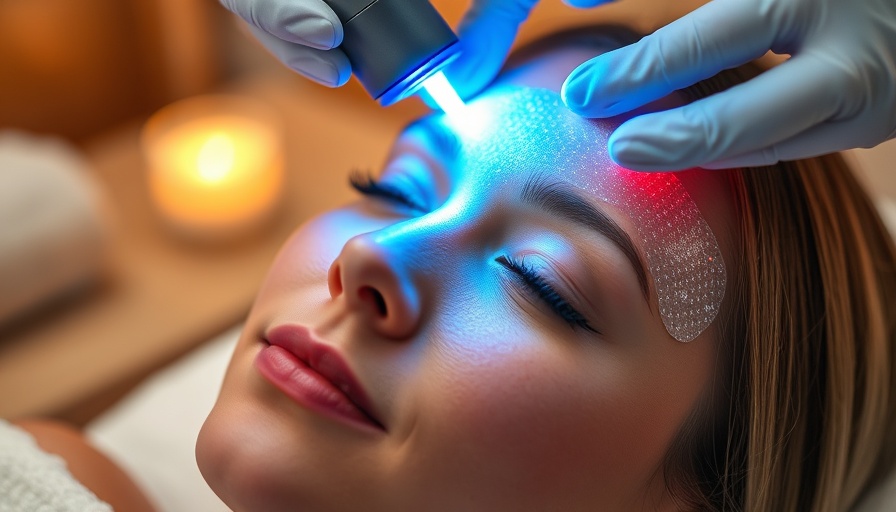
Woman experiencing fractional laser benefits in a calm spa setting.

Understanding Fractional Laser Treatments

In the constantly evolving world of cosmetic procedures, fractional lasers stand out as a leading skin rejuvenation technology offering noninvasive solutions for various skin issues. As beauty enthusiasts and professionals seek effective methods, this technique has gained traction due to its precise delivery of laser energy in a fractionated pattern. By delivering narrow beams of laser light in a controlled manner, fractional lasers create small zones of thermal injury, promoting healing and rejuvenation while leaving surrounding areas intact.

Ablative vs. Nonablative Fractional Lasers

Fractional lasers are generally categorized into two types: ablative and nonablative. Ablative lasers, such as CO2 lasers, are more aggressive and aim to remove the top layers of skin, making them ideal for individuals dealing with severe signs of aging, deep scars, or those seeking immediate results. On the other hand, nonablative lasers do not damage the skin's surface but instead focus on heating deeper tissue to stimulate collagen growth, which is particularly beneficial for younger individuals or those with only mild signs of aging.

Key Benefits of Fractional Lasers You Should Know About

This treatment modality offers a range of benefits that clients may find compelling:

Treating Acne Scars

Research indicates that CO2 lasers are an effective option for treating papular acne scars. Acne scars can significantly impact a person's self-esteem and confidence, often prompting those affected to seek advanced treatments. With several sessions, patients can expect significant improvements in their skin texture, leading to a smoother and more even complexion.

Reducing Signs of Aging

The aging process brings about inevitable changes such as wrinkles, fine lines, and sagging skin. Fractional lasers can effectively minimize these signs by enhancing collagen production and resurfacing damaged skin layers. The result is a rejuvenated appearance, with advanced treatments offering a smoother complexion and improved elasticity.

Minimizing Hyperpigmentation

Hyperpigmentation, characterized by dark spots and uneven skin tones, can be distressing for many individuals. Fractional lasers can target melanin in a precise manner while significantly reducing the risk of hyperpigmentation, even in patients with darker skin tones. This technology holds the potential to create more even skin tones and increased confidence in personal appearance.

Versatility of Fractional Lasers

What makes fractional lasers particularly appealing is their versatility. Clinics often provide hybrid fractional lasers that combine both ablative and nonablative methods, allowing for a comprehensive approach to skin rejuvenation. These treatments can address multiple skin concerns simultaneously, thus enhancing client outcomes.

Combining Fractional Lasers with Other Cosmetic Treatments

For those interested in maximizing their results, combining fractional laser treatments with other modalities can lead to enhanced efficacy. For instance, an IPL photofacial can complement fractional laser treatments to improve skin texture and reduce redness. Additionally, pairing CO2 laser treatments with microneedling can further promote healing and rejuvenation by facilitating deeper penetration of active ingredients, optimizing overall skin health.

Making Informed Decisions About Treatment

As a skincare professional or an advanced practitioner, it’s crucial to communicate effectively with clients about the potential benefits and risks of fractional laser treatments. By providing clear, evidence-based information, practitioners can help clients make informed decisions regarding their skincare options.

Conclusion: Embrace the Future of Aesthetic Medicine

The landscape of aesthetic medicine is filled with opportunities for growth and development. As professionals, it's important to stay abreast of emerging technologies, particularly fractional lasers, that offer significant benefits for patients. By incorporating these advancements into practice, aesthetic professionals can meet client needs effectively, ensuring high levels of satisfaction in transformative skincare journeys.

Health Tech

Write A Comment

*
*
Related Posts All Posts
12.07.2025

Gene Therapies for Sickle Cell Disease and Beta Thalassemia: Real-World Insights from New Studies

Update The Expansion of Gene Therapy: A Promising Solution for Blood Disorders Recent findings from a study presented at the 67th ASH Annual Meeting have shed light on the real-world commercial implementation of gene therapies aimed at treating sickle cell disease and beta thalassemia. These two inherited disorders affect the hemoglobin in our blood, leading to serious health complications. Understanding how these gene therapies work not only holds great promise for patients but also highlights the importance of a coordinated approach to treatment delivery. Understanding the Impact of Sickle Cell Disease and Beta Thalassemia Sickle cell disease and beta thalassemia are both genetic conditions that result in ineffective hemoglobin production in red blood cells. Sickle cell disease causes cell rigidity and painful blockages within blood vessels, while beta thalassemia results in less functional hemoglobin, ultimately compromising oxygen transport. Current treatments can only manage symptoms, which is where innovative gene therapies come into play. By modifying a patient’s stem cells to produce functional hemoglobin, these therapies aim to deliver permanent solutions for these life-altering diseases. Insights from the GIST Study on Gene Therapies The GIST study analyzed data from 392 patients enrolled to receive two gene therapies: betibeglogene autotemcel, branded as Zynteglo, and lovotibeglogene autotemcel, known as Lyfgenia. Findings indicate that 29% of these patients have already received treatment, showcasing a growing demand for these therapies. Remarkably, a significant percentage of patients (72% for beti-cel and 76% for lovo-cel) were treated within a year of their initial enrollment—an encouraging sign for future scalability in treatment delivery. Facilitating Patient Access: Improvements Needed Despite the apparent efficacy of gene therapies, the study authors indicate the necessity for further improvements in treatment timelines. For instance, patients needed an average of 4.4 months from enrollment to stem cell collection, with delays commonly stemming from health and financial preparations. Furthermore, researchers identified operational differences affecting the overall delivery times, which underscores the need for a system-wide analysis to streamline processes and improve patient experience. Looking Ahead: Transforming Hemoglobin Disorders with Gene Therapy As the field evolves, the collaboration between patients, healthcare providers, drug manufacturers, and insurance payers will be vital in creating a cohesive framework for successful gene therapy implementation. Dr. Joanne Lager emphasizes the importance of this system-level coordination, reinforcing that the demand for one-time, durable gene therapies will only increase as we gain more clinical experience. Enhancing operational efficiencies could significantly reduce treatment pathways and elevate patient care, paving the way for further innovations in gene therapy. Conclusion The future of managing sickle cell disease and beta thalassemia looks brighter with ongoing advancements in gene therapies. As stakeholders work together toward optimizing delivery processes, we may see a transformative shift in how we treat blood disorders. These developments not only point to a potential for curing genetic diseases but also raise awareness of the considerable journey patients face in accessing these innovative treatments.

12.07.2025

Unlocking Gene Therapy: A New Hope for Sickle Cell Disease Patients

Update Understanding Gene Therapy’s Role in Rare Blood Disorders Gene therapy has emerged as a revolutionary frontier in treating genetic disorders, particularly for conditions like sickle cell disease and beta thalassemia. These blood disorders stem from mutations in hemoglobin that impede the body's ability to circulate oxygen, leading to severe health complications. The recent data presented at the 67th ASH Annual Meeting sheds light on the successful implementation of these therapies in a commercial setting, drawing on the experiences of over 392 patients in the U.S. Real-World Data and Implementation Challenges The GIST Study reveals critical insights into the timeline and processes surrounding the administration of gene therapies, such as beti-cel and lovo-cel, highlighting that 29% of enrolled patients have already received treatment. However, the journey to treatment isn't straightforward. With significant variation in the time required for stem cell collection and manufacturing processes, it is clear that operational improvements are essential for future deployments. "We’ve identified areas of opportunity to enhance the treatment journey for patients and providers," shared Dr. Lager, emphasizing the need for system-level coordination among healthcare stakeholders. The March of Progress in Sickle Cell Therapy Recent approvals of therapies like Casgevy and Lyfgenia by the FDA represent monumental steps forward in treating sickle cell disease. Casgevy, which utilizes innovative genome editing, has the potential to be life-changing for many suffering from recurrent vaso-occlusive crises associated with the disorder. These therapies not only provide promise for the future but have also initiated programs aimed at making these treatments more accessible, especially for underprivileged populations whom they can benefit the most. Lessons from Patient Experiences Personal narratives, such as that of Kyle, a young man who has recently benefited from gene therapy, underscore the transformative impact of these advancements. Kyle's experiences reflect the journey from despair under sickle cell disease to newfound hope and empowerment through treatment. His story exemplifies the significant life changes possible through access to modern treatments. The Need for Policy Change and Access Improvement While the clinical results are promising, the story does not end at therapy approval. The exorbitant costs associated with gene therapy, which can reach up to $3.1 million, pose a severe barrier to access. Advocates argue that without policies ensuring equitable access, many eligible patients, especially those from lower-income backgrounds, will be overlooked. Efforts by organizations and legislators to improve insurance coverage and enhance the efficacy of Medicaid for pediatric patients are steps in the right direction. What Comes Next in the World of Gene Therapy? As we look to the horizon, it’s essential to monitor ongoing clinical evaluations and studies aimed at optimizing the delivery of these groundbreaking therapies. The ultimate goal must be centered on creating a robust framework that not only brings innovative solutions to the market but also makes them available to every patient who needs them. Conclusion: Your Role in Advocacy The landscape of treatment for sickle cell disease and beta thalassemia is shifting rapidly with the emergence of gene therapies. These developments highlight the critical importance of advocacy in health policy to ensure that all patients gain access to the life-changing care they deserve. Engage with your community, share insights, and advocate for policies that support equitable access to these revolutionary treatments.

12.05.2025

Saliva and Plasma: The Future of Cancer Detection and Treatment

Update Revolutionizing Cancer Detection and Treatment with Saliva and PlasmaRecent advances in cancer detection strategy have centered around the use of non-invasive methods that rely on easily collected fluids. A groundbreaking study from Griffith University's Institute for Biomedicine and Glycomics highlights the potential of small extracellular vesicles (EVs) found in saliva and plasma to detect head and neck cancers effectively. This innovation could significantly reduce the need for painful tissue biopsies, traditionally viewed as a crucial yet invasive method of cancer diagnosis.Understanding the Significance of Small Extracellular VesiclesThe study reveals that over 60% of protein signatures in small EVs derived from head and neck tumors are shared with those found in plasma and saliva. Professor Chamindie Punyadeera, leading the research team, emphasizes that these detected proteins are instrumental in understanding tumor progression, immune response, and tissue remodeling associated with head and neck cancers. By harnessing this knowledge, the researchers propose a non-invasive alternative that could facilitate routine diagnostic testing.The Impact on Cancer PatientsHead and neck cancers are diagnosed in approximately 900,000 individuals worldwide each year, making advancements in detection urgent and necessary. Abolfazl Jangholi, the research fellow responsible for this study, states that these innovations could lead to earlier cancer diagnosis and more personalized treatment options. This tailored approach is not just beneficial for patient care; it signifies a monumental leap in the field of oncological research, paving the way for better outcomes through early detection and consistent monitoring.Current Trends and Future ImplicationsThe implications of these findings extend beyond immediate patient benefits and into the broader landscape of cancer research and treatment. As healthcare increasingly prioritizes personalized medicine, tools developed from this research could lead to novel biomarker panels in clinical practice. This shift signifies a future where cancer treatment is not only more effective due to its personalized nature but also less distressing for patients.Cultural Significance and Patient ComfortThe psychological comfort that comes with non-invasive testing methods cannot be overstated. By minimizing the discomfort and anxiety typically associated with invasive biopsies, such advancements could positively affect patients’ mental health and willingness to undergo necessary testing. For patients facing the daunting prospect of cancer, knowing that less invasive methods are available might encourage them to seek timely diagnosis and interventions.The Road AheadAs the research progresses, further investment in understanding the molecular roles of the overlapping proteins will be critical. These studies can spotlight how such proteins influence cancer characteristics and patient treatment pathways. For medical researchers and practitioners alike, the findings are a call to action to explore this promising field further, ensuring ongoing innovation aimed at enhancing patient care and outcomes.While the findings are promising, healthcare professionals must stay attentive to the evolving landscape of cancer diagnostics and patient management. Continuous advancements are needed to translate these findings into standardized clinical practices across the healthcare systems globally.Conclusion and Implications for Future CareThe groundbreaking discovery highlighted in this research from Griffith University illustrates that saliva and plasma may soon become fundamental components of cancer detection and monitoring. By turning scientific advancements into real-world applications, we can take significant steps towards more humane and patient-friendly cancer care. As research continues to unfold, staying informed about these developments can empower patients and providers alike in the fight against cancer.

Terms of Service

Privacy Policy

Core Modal Title

Sorry, no results found

You Might Find These Articles Interesting

T
Please Check Your Email
We Will Be Following Up Shortly
*
*
*