Add Row
Add Element
Tech Life Journal
update
Tech Life Journal 
update
Add Element
  • Home
  • Categories
    • Innovation
    • Digital Tools
    • Smart Living
    • Health Tech
    • Gear Review
    • Digital Life
    • Tech Travel
    • Voices in Tech
  • Featured
June 10.2025
3 Minutes Read

Discover the Kiwi Ears Ardor: Affordable Active Noise Cancelling Headphones

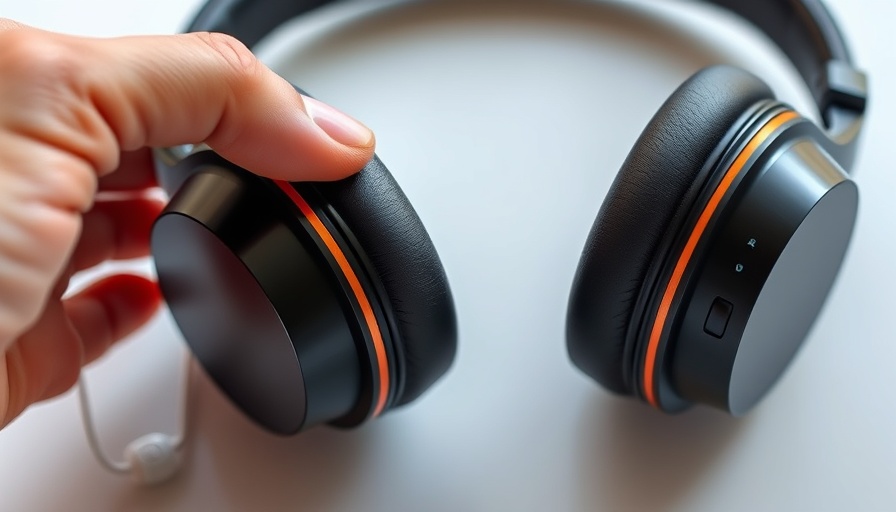
Affordable active noise cancelling headphones with hands adjusting settings.

Affordable Innovation: Kiwi Ears' Active Noise Cancelling Headphones

In a world saturated with high-priced audio gear, Kiwi Ears is making waves with its new active noise cancelling headphones, the Ardor. Running with the mantra that high quality doesn’t always have to come with a hefty price tag, Kiwi Ears launches their latest model at a mere $100—substantially less than competitors that can easily skyrocket above $400.

In "Noise Cancelling Headphones But They're Not $400," we delve into the exciting features of Kiwi Ears' Ardor headphones and explore how this budget option stands up against its pricier competitors.

The Features that Rival the Expensive Models

What sets the Ardor apart from the crowd? Let’s break down the features. The Ardor sports a stylish and traditional look with a lightweight feel, complemented by a soft headband and a leather-like texture on the ear cups—elements often seen in high-end models. This isn’t just about looks; it’s about creating a comfortable listening experience for long periods.

Moreover, you won’t be tethered to a wall socket: they come with a USB Type-C charging cable, allowing for fast charging. Users can enjoy up to 140 hours of listening time with the active noise cancellation (ANC) feature turned off and about 72 hours with it on. And if you’re in a hurry? A mere 10-minute charge can give a staggering 8 hours of uninterrupted playtime.

Versatile Connectivity for Modern Lifestyles

Comfort meets versatility as the Ardor offers both wired and wireless capabilities. With Bluetooth 5.0 technology—allowing for seamless connections—these headphones are perfect for everyday use, whether you’re chilling at home, commuting, or hitting the gym. Plus, you have the convenience of a mini-jack connection if you prefer a wired option, giving you flexibility for different scenarios.

Transforming the Conversation with Transparency Mode

One feature that stands out is the transparency mode. This was once exclusive to premium models, but Kiwi Ears is democratizing it, letting users engage in conversations without needing to remove their headphones. By allowing external sounds to filter in, these headphones ensure that you stay aware of your surroundings, making them both safe and practical—especially when you're out in public spaces.

Embracing the Future of Sound without Breaking the Bank

Kiwi Ears is a fine example of how technology can be accessible without sacrificing quality. The Ardor challenges the conventional belief that the best audio experience has to come with a significant financial commitment. As consumers grow increasingly aware of value-for-money propositions, Kiwi Ears offers an enticing alternative that focuses on essentials without the superfluous frills.

A Reflection of Changing Consumer Trends

The explosion of brands like Kiwi Ears reflects a broader trend in consumer electronics: quality audio gear is not just for the elite anymore. With increasing competition in the market, companies are forced to innovate and adapt, yielding products that are not only budget-friendly but also filled with modern technology. Consumers are searching for more for less, and Kiwi Ears hits that sweet spot perfectly.

The Broader Implications of Affordable Noise-Cancelling Technology

The introduction of affordable active noise cancelling technology sways the market dynamics in more than just price. It invites a diverse audience to enjoy immersive audio experiences, which have traditionally been linked with higher spending power. As noise cancelling capabilities become mainstream, the potential for enhancing focus in workplaces and classrooms opens up new avenues for productivity and well-being.

So, whether you’re a tech enthusiast or just seeking a reliable pair of headphones for daily use, the Ardor by Kiwi Ears could be your next go-to option. Balancing technology, price, and design, it perfectly aligns with every modern lifestyle.

Gear Review

Write A Comment

*
*
Related Posts All Posts
12.12.2025

Siri Isn't All That Bad: A Fresh Perspective on Digital Assistants

Update The Evolution of Digital Assistants: Are They Living Up to Expectations? In a digital world overflowing with innovations, the conversation surrounding voice-enabled technology continues to captivate users. Some of the hottest takes often center around the effectiveness of personal assistants like Siri. As we dive into the specifics, we discover that Siri's reputation may not be as bleak as many users presume. While Siri indeed faces fierce competition from the likes of Google Assistant, Amazon's Alexa, and emerging technologies like ChatGPT, it remains sufficiently adept at fulfilling basic commands. This article explores the evolving landscape of digital assistants and examines why the community's perceptions of Siri may require reevaluation.In 'Siri Isn't That Bad', the video discusses perceptions of Siri, prompting us to evaluate its capabilities and the overall landscape of voice technology. Hot Takes on Robotics: Why Humanoid Forms May Not Be the Future One of the intriguing discussions raised in relation to Siri's performance is the broader topic of robotics. Experts have debated whether humanoid robots represent the optimal form factor for automating tasks. As innovation continues to surge, it's becoming increasingly clear that what we might want in a robot may not necessarily be human-like form. There's an emerging perspective that specialized devices might outperform humanoid robots in efficiency and functionality. Instead of one robot performing many tasks, why not have each appliance become its own smart robot? This idea aligns with the evolving functions of digital assistants like Siri, which often rely on integration with specific applications rather than operating independently. The Case for Siri: Functional Yet Flawed After analyzing its reputation, it’s clear that the portrayal of Siri as an incompetent assistant is somewhat exaggerated. Many users find success with Siri in performing basic tasks, such as sending messages and retrieving weather updates. It's essential to acknowledge, though, that this functionality represents the base layer of what we expect from such technology. However, when multitasking or logical reasoning comes into play, Siri quickly falls short and often requires support from more capable systems. Technological Advancements: What Lies Ahead? The review of Siri and its capabilities inevitably leads to a fascinating exploration of future developments. As AI technology continues to unfold, the rapid improvements in competitive assistants provide valuable insights. With Apple falling behind in various technological domains, there is speculation about potential upgrades to Siri in the future. Will these advancements allow Siri to integrate deeper intelligence to keep pace with competitors, or will users still find the need to look elsewhere? Revisiting User Expectations: A Shift in Perspective Despite its shortcomings, many iPhone users have found ways to incorporate Siri into their daily routines. It is crucial to acknowledge how user habits have likely shaped these expectations. As digital assistants become ubiquitous in different devices and lifestyles, users may need to reconsider what they deem “acceptable” performance. Instead of expecting Siri to perform at the level of AI assistants that have become more sophisticated over time, it might be worth recognizing its utility in specific contexts. Calls for Innovation: The Future of Voice Technology As we look toward the future, the tech community is calling for innovation that enhances the current functionalities of voice-activated systems like Siri. Whether it's improving integration with smart home devices or expanding AI capabilities for better multitasking, there is wide consensus on the desire for advancement. The vibrant discourse surrounding Siri serves as a reminder that while criticism may be well-founded, so too are the calls for progress. Siri's position within the expansive landscape of technological innovation may not be as dire as it seems. While it undoubtedly has limitations, the assistant demonstrates an essential role in everyday digital interactions. As voices like the one analyzed persist in critiquing its efficacy, there will also be enthusiasm for its potential evolution. Technology is, after all, about embracing progress and potential—what could be more exciting than that?

12.07.2025

Exploring What's on My Phone in 2026: Innovations in Mobile Technology

Update What's on My Devices in 2026: A Peak at the Future of Mobile Technology In 2026, we find ourselves in a world where technology has seamlessly integrated into everyday life, altering how we communicate, work, and entertain ourselves. MKBHD explores his mobile setup in a recent video, diving into the nuances of his daily phone usage and app preferences. Given the rapid evolution of mobile tech, understanding current trends can help us anticipate what our future interactions may resemble. Let’s dissect his setup and uncover how it reflects broader technological shifts.In 'What's on my Phone 2026!', the discussion dives into mobile technology trends, exploring key insights that sparked deeper analysis on our end. The Dual Phone Advantage MKBHD has long embraced a dual-phone lifestyle—an Android primary and an iPhone secondary. This setup highlights a unique trend among tech enthusiasts, marrying versatility with specialization. The Android phone, the OnePlus 15, is positioned as the daily driver, showcasing benefits such as enhanced battery life and performance. Meanwhile, the iPhone 17 Pro serves its purpose as a reliable companion, enhanced by features that cater to MKBHD’s specific needs. This idea of ‘specialized devices’ is gaining traction in the tech community. Users increasingly favor devices tailored for different tasks, rather than relying solely on one multifunctional device. MKBHD’s choice illustrates that many individuals appreciate unique strengths in technology, such as superior camera capabilities or robust app ecosystems. Popular Apps Shaping Everyday Life One fascinating aspect of MKBHD's phone setup is the choice of apps. Pairing traditional stalwarts with newer alternatives shows how the landscape of mobile applications is constantly evolving. For instance, the introduction of the new CARROT Weather app aims to fill the void left by the beloved Dark Sky, while apps like Raindrop.io have emerged in the wake of well-known services like Pocket. MKBHD’s inclination toward apps like TickTick for tasks and Spotify for music reflects a desire for efficiency. The tools we choose to navigate our daily lives often define our productivity and lifestyle. Furthermore, it prompts questions about how the services we rely on can impact our choices moving forward. Are we implicitly endorsing apps that enhance user experience versus those that simply meet basic needs? Widget Wonders: Enhancing User Experience Widgets have transformed how we interact with technology by providing at-a-glance information without opening apps. MKBHD highlights his use of customizable widgets on both devices, demonstrating Apple’s continued evolution in this realm. Yet, he points out a pivotal limitation: the lack of scrollable widgets on iPhone—an essential feature that enhances usability. This contrasts with Android’s flexibility, emphasizing how operating systems can dictate user experience significantly. MKBHD's experiences reveal an interesting tension in tech: innovation often leaves some users feeling left behind, as they await features that enhance their daily lives. Beyond Just Phones: Ecosystem Integration The integration of devices extends beyond just phones; it encompasses a carefully curated ecosystem. MKBHD discusses using fitness apps like Athlytic, which aggregates data from his Apple Watch, further underpinning the significance of technology in personal health management. This is noteworthy as it reflects a broader societal trend where devices not only serve traditional functions but also contribute to overall well-being. In today’s world, health tech is becoming intertwined with daily life, and being able to manage fitness, tasks, and communications across multiple platforms opens myriad possibilities for holistic personal development. MKBHD’s setup serves as a microcosm of this shift toward comprehensive lifestyle management through technology. Final Thoughts: The Future of Mobile Tech As we look forward to the years beyond 2026, the ongoing advancements in mobile technology compel us to consider what the future holds. The gradual shift to dual devices, the integration of diverse apps, and an ecosystem philosophy all represent a forward-thinking approach. MKBHD’s exploration of his current setup encourages us all to think critically about our device choices and what they signify in a rapidly changing environment. Now, the question for us all is: What innovations in the mobile landscape will shape our daily lives next? For tech enthusiasts eager to explore how they can enhance their own mobile setups, checking out the links shared by MKBHD in his video is a worthwhile first step. It’s a reminder that our relationship with technology is an evolving narrative—one that requires us to stay informed and adaptable.

12.01.2025

Exploring Ethics in Sports: When Actions Feel Illegal

Explore the implications of actions that feel illegal in sports, examining ethics, technology, and fan engagement.

Terms of Service

Privacy Policy

Core Modal Title

Sorry, no results found

You Might Find These Articles Interesting

T
Please Check Your Email
We Will Be Following Up Shortly
*
*
*