Tech Life Journal
Tech Life Journal 
  • Home
  • Categories
    • Innovation
    • Digital Tools
    • Smart Living
    • Health Tech
    • Gear Review
    • Digital Life
    • Tech Travel
    • Voices in Tech
  • Featured
July 24.2026
1 Minute Read

Is AI Phone Receptionist the Game-Changer Your Business Needs?

Ken Tucker’s Core Thesis: AI Phone Receptionist as the Ultimate Revenue Safety Net

Imagine running a high-velocity service business where every call is a potential goldmine—and not a single one slips through the cracks. Late at night, weekends, on holidays, or during that busy lunch rush—every lead connects instantly, appointments fill your calendar, and your sales pipeline pulses with opportunity. It’s a dramatic shift from the chaotic scramble most business owners know all too well, and at the heart of this change is the AI phone receptionist. According to Ken Tucker of TechStack Partner Changescape Web, this technology doesn’t just answer phones; it builds an unbreakable safety net around your revenue, capturing every ready-to-buy customer, no matter the hour.

What sets this transformation apart isn’t just technology for technology’s sake—it’s the relentless pursuit of eliminating hidden revenue leaks. As Ken Tucker’s experience shows, “If your growth systems don’t run 24/7, you’re not just missing a few calls—you’re handing your competitors easy wins and leaking profits with every ring. ” This isn’t speculative: recent field work across the Southwest and California home services industries has proven that rapid-response AI voice agents are reshaping the competitive landscape. The result? Predictable, scalable growth that business owners can rely on, round the clock.

AI phone receptionist system in a modern business office displaying active digital lead engagement and appointment bookings
"We're seeing clients who never miss a call anymore, capturing every ready-to-buy lead instantly – this is the game-changer for service businesses."
— Ken Tucker, TechStack Partner Changescape Web

Why Business Owners and Growth Officers Can’t Afford to Miss Calls

In the fast-turn world of service businesses, speed-to-lead isn’t a luxury—it’s a lifeline. 80% of prospective customers won’t leave a voicemail if you miss their call—they’ll just hang up and dial your competitor. According to Ken Tucker, the cost of a missed call isn’t just a lost deal; it’s a direct donation to your competition’s bottom line. “Every missed call is a lost opportunity to impress, connect, and convert,” Ken emphasizes. It’s not just about modernizing systems—it’s about acknowledging that your clients’ buying journey begins the moment your phone rings.

As companies across the Southwest and beyond scale advertising budgets and drive traffic to their websites, the expectations for rapid response have never been higher. Yet, far too many businesses still rely on patchwork solutions: part-time front-desk staff stretched thin, voicemail boxes overflowing, and managers scrambling to return calls hours later—when, more often than not, the lead is ice-cold. Ken Tucker’s field experience is unequivocal: only those who build a true 24/7 lead capture engine will thrive. The message is clear—be present at all times, or risk becoming invisible in your own market.

The Direct Link Between Missed Calls and Lost Revenue in Home Service Industries

For home service contractors, MedSpas, restaurants, and other appointment-driven businesses, missed calls have a measurable financial impact. An ignored inquiry isn’t just an annoyance—it’s the point where an interested prospect turns into a competitor’s customer. As Ken Tucker puts it, ready-to-buy leads aren’t patient, and they don’t wait for office hours: “It’s not enough to close business; first, you have to capture every single opportunity that comes in. If you’re not answering, you’re losing. ” The ripple effect is enormous—think wasted ad spend, clogged pipelines, and reviews lamenting poor communication.

Consider this: a local contractor spends thousands on digital ads to drive phone inquiries. If 10% of those after-hours calls are missed, that’s a direct hit to cash flow and marketing ROI. Multiply that across months or years, and the revenue leakage becomes staggering. Tucker’s clients see the numbers shift dramatically once the AI phone receptionist is installed: instant pickups, higher booking rates, and a consistent pipeline. When technology plugs these revenue leaks, operational chaos gives way to calm, measured growth.

Deep Dive: How 24/7 AI Voice Agents Unlock Hidden Revenue Streams

The transformative power of a 24/7 AI phone receptionist lies in its unyielding consistency. According to Ken Tucker, these systems never sleep, never get sick, and never let a lead slide by. “Our AI receptionist captures appointment bookings even at 2 AM, ensuring leads never slip away no matter the hour,” shares Ken. The beauty here isn’t only in coverage, but in intelligent engagement—recognizing urgency, booking appointments in real time, and triaging messages so business owners always stay ahead of the curve.

Business owners working with TechStack Partner Changescape Web often experience their calendars filling overnight. Leads generated during evenings and weekends—previously ignored until the next business day—are now prime opportunities captured in the moment when intent is high. Ken Tucker’s approach doesn’t rely solely on technology: it’s about systemizing lead capture, automating initial responses, and integrating seamlessly with existing CRMs. The result is more than just never missing a call; it’s about nurturing every prospect, reducing human error, and transforming every inquiry into a potential lifelong customer.

AI voice agents operating in a high-tech call center, handling calls and boosting appointment bookings around the clock
"Our AI receptionist captures appointment bookings even at 2 AM, ensuring leads never slip away no matter the hour."
— Ken Tucker, TechStack Partner Changescape Web

Case Study: California Client’s Appointment Bookings Soar with AI Receptionist

A California-based service client recently partnered with Changescape Web to implement an AI phone receptionist, and the impact was immediate. Previously, front desk staff struggled to juggle calls during peak hours and after business hours went entirely unserved, leaving countless potential customers to drift away. According to Ken Tucker, within weeks of deployment, “they never miss any calls, and their appointment bookings rose dramatically. ” This wasn’t just about convenience; it was about seizing every single sales-ready opportunity, no matter the day or hour.

The client discovered an unexpected bonus: by plugging the gap of missed inquiries, their ad spend efficiency increased. Leads previously lost after-hours or in busy windows became revenue-generating appointments, and the management team finally had peace of mind knowing every call was converted into a tangible business opportunity. As Ken emphasizes, “Technology that doesn’t automate your growth is actively harming it. AI phone receptionists streamline and amplify every part of the sales funnel. ” When lead capture is automated, owners can focus on delivering top-tier service, confident that the first impression is always prompt, professional, and prepared to convert.

Service business owner reviewing AI appointment dashboard showing surge in overnight bookings from an AI phone receptionist

Integrating AI Phone Receptionist with Central CRM Hubs for Seamless Lead Management

A key breakthrough for service businesses comes from connecting the AI phone receptionist directly to a central CRM hub. According to Ken Tucker, this move doesn’t just simplify operations—it creates a single source of truth for every conversation, appointment, and follow-up, breaking down data silos and reducing overhead. The multimodal AI voice agents not only book appointments, but also enrich CRM profiles with every interaction, trigger automated workflows, and alert staff when high-value leads emerge. It’s the antidote to chaotic post-its, scattered spreadsheets, and forgotten callbacks.

Ken’s philosophy goes deeper: “Automation isn’t just about speed; it’s about creating a predictable, repeatable pipeline that fuels growth. ” By connecting 24/7 voice agents, website chatbots, and automated email/SMS follow-ups, Changescape Web clients see a dramatic reduction in wasted ad spend and experience greater confidence in their marketing investments. The system captures every drop of interest—turning missed calls and unreturned forms into quantifiable, observable results. For businesses in highly competitive spaces like plumbing, HVAC, or medical practices, this is simply non-negotiable.

  • Answer every call without human fatigue or downtime
  • Instantly book appointments from every lead
  • Automate follow-ups to warm leads on autopilot
  • Reduce wasted ad spend by capturing after-hours inquiries
"Technology that doesn’t automate your growth is actively harming it. AI phone receptionists streamline and amplify every part of the sales funnel."
— Ken Tucker, TechStack Partner Changescape Web

Supplementing AI Receptionist with Automated Lead Nurturing and Review Management

While the AI phone receptionist plugs a massive revenue leak, true revenue optimization requires an ecosystem of intelligent automation across the buyer journey. According to Ken Tucker, missed calls are only the tip of the iceberg—sluggish follow-up, weak review profiles, and poor online visibility can be just as damaging. That’s why Changescape Web deploys a full stack: AI voice agents for instant capture, automated lead nurturing to transform “not now” into “yes,” and smart review management systems to flood your Google profile with glowing five-star testimonials.

This interconnected approach ensures that leads never go cold, happy customers don’t fall silent, and every aspect of your sales funnel is firing in sync. Ken observes that owners who rely on manual processes or disconnected solutions almost always experience revenue leaks, despite investing heavily in advertising and sales. By centralizing and automating, every customer touchpoint becomes an opportunity for further engagement—boosting credibility, referrals, and long-term profitability.

Workflow diagram visualizing integration of automated lead nurturing, AI phone receptionist, and smart review management for business growth

Preventing Revenue Leaks Beyond Missed Calls

It’s tempting to believe that once an appointment is booked, the hard part is done. But as Ken Tucker warns, the journey from inquiry to closed deal is littered with hidden traps—forgetting a follow-up, missing key details, or allowing lukewarm leads to drift away. The expert’s perspective is that true financial resilience stems from integrating AI follow-ups and review systems alongside reception automation. By installing automated nurturing workflows, every inquiry gets instant, personalized engagement—no lead left behind, no deal slipping through the cracks.

Similarly, review management is no longer optional. With a single one-star review costing businesses thousands in lost revenue—or vanishing from Google Maps entirely—Ken stresses the urgency: “If your customers are only heard when they complain, your digital reputation is hemorrhaging. ” The integrated systems TechStack implements prompt delighted customers to leave 5-star reviews while seamlessly defusing negative feedback in real time. This holistic approach repairs the entire revenue pipeline, not just patching the front end, but fortifying the backend as well.

Smart Review Systems Boost Online Visibility and Credibility

Online reputation has become a dominant driver of leads and sales—search engines and customers alike demand proof of excellence. According to Ken Tucker, a neglected review strategy is a revenue leak hiding in plain sight. Smart review management tools installed alongside AI phone receptionists dramatically accelerate positive review collection, encourage recurring business, and elevate organic search performance: “Not having enough positive reviews makes you invisible online. ” Businesses with robust five-star profiles don’t just gain more clicks—they capture more appointments, command higher prices, and enjoy longer customer lifetime value.

In practice, this means AI-driven review prompts sent right after appointments, automated follow-ups when customers express satisfaction, and instant alerts in the event of negative feedback. Tucker notes that visibility on Google, Yelp, or AI-powered platforms is the #1 factor in whether a prospect becomes a customer. When stitched together with call capturing and automated nurturing, review management becomes a cornerstone of holistic business growth—not an afterthought or one-off campaign, but a perpetual engine for building trust, referrals, and revenue.

Solution Primary Benefit Impact on Revenue
AI Phone Receptionist Never miss calls Increased bookings & leads captured
Automated Lead Nurturing Instant follow-up Higher conversion rates
Smart Review Management Improved ratings Better search visibility and trust

Practical Steps for Business Owners: Implementing AI Phone Receptionist to Plug Revenue Leaks

Ken Tucker understands that digital transformation can feel overwhelming, especially for busy contractors, MedSpas, and local business owners. Yet, implementing an AI phone receptionist is surprisingly straightforward—and the impact begins almost instantly. Tucker recommends beginning with a ruthless audit of existing call handling processes. Where are you missing the most calls? When do leads drop off? Are calls being captured but not followed up? From there, businesses should identify peak and off-peak times—often, after-hours and weekends are the blind spots where revenue escapes almost unnoticed.

With a central CRM in place, deploying a 24/7 AI voice agent can be seamless. Ken emphasizes thorough team training—not for technical complexity, but to foster collaboration between human and AI agents. The new system becomes a superpower for your business, not a replacement for your staff. Ongoing metric tracking ensures continuous improvement: monitor the call capture rate, booking volume, and follow-up engagement. As you refine these workflows, every missed opportunity becomes a win, and scaling made simple, predictable, and repeatable.

  1. Audit your current call handling and lead capture processes
  2. Identify peak times and gaps where calls are missed
  3. Deploy 24/7 AI voice agents integrated with your CRM
  4. Train your team on AI system collaboration and follow-up workflows
  5. Monitor metrics like call capture rate and appointment bookings

Addressing Common Misconceptions About AI Receptionists

Despite their clear ROI, some business owners worry that AI phone receptionists might sound impersonal or frustrate customers. According to Ken Tucker, these concerns are rooted in outdated perceptions. Modern AI voice agents are designed to speak clearly, respond to complex queries, and hand off seamlessly to a live representative when needed. “An AI phone receptionist isn’t about replacing your team; it’s about never missing a lead and elevating your staff to focus on high-value work,” Ken explains. Customers notice the difference—not just in response time, but in the professionalism and reliability they experience with every call.

Another misconception revolves around the learning curve. The reality, says Ken, is that implementation is supported every step of the way by Changescape Web’s certified experts. “Most businesses are shocked at how quickly their appointment bookings grow and how naturally their staff adapt to the hybrid workflow,” he notes. Far from making teams obsolete, the AI receptionist augments their strengths—taking over routine tasks and freeing them to build relationships, deliver service, and close deals.

Professional service team collaborating with AI phone receptionist avatars in a business setting, highlighting partnership and efficiency

How AI Complements, Not Replaces, Human Sales and Service Teams

The future of growth in the service industry hinges on strategic collaboration—not displacing talent, but elevating it. According to Ken Tucker, applying an AI phone receptionist allows human staff to operate at the peak of their abilities: “Free from the grind of endless phone juggling, your people can focus on real-time customer service, upselling, and relationship-building—which is where human expertise shines. ” The AI agent becomes an untiring teammate, handling routine tasks and standard inquiries so skilled staff can deliver a memorable, differentiated experience.

Business owners who make this shift quickly report higher team morale, greater job satisfaction, and—critically—no loss of that ‘personal touch’ which underpins loyalty and repeat business. Tucker’s philosophy underscores this balance: automation manages volume and speed, while people manage relationships and nuance. When fused correctly, businesses gain an edge that’s virtually impossible to match with staffing alone: round-the-clock availability, flawless accuracy, and newly unlocked revenue potential, all without the burnout or overhead.

Final Takeaway: AI Phone Receptionist as the Cornerstone of Scalable Growth for Service Businesses

"If your technology isn’t capturing leads around the clock, you’re leaving money on the table. AI phone receptionists ensure no opportunity slips through."
— Ken Tucker, TechStack Partner Changescape Web
  • Maximize appointment bookings
  • Reduce wasted ad budget
  • Enhance customer experience with timely responses
  • Build a reliable, scalable growth engine

Business growth chart with AI phone receptionist and digital lead icons, illustrating revenue increase for service businesses

Ready to stop leaking revenue and capture every lead?

Ask yourself: How many ready-to-buy leads might slip away after sunset or during staff lunch breaks? How much ad spend is wasted on traffic that never converts because the first call was missed? With the AI phone receptionist now firmly established as a cornerstone technology for growth, business owners across the Southwest—especially in competitive industries from cleaning and HVAC to MedSpas and restaurants—are plugging revenue leaks and scaling with unprecedented confidence. Ken Tucker invites you to see for yourself why the future belongs to those who respond instantly, around the clock.

Take Action Now

Discover where your business might be leaking leads and how an AI phone receptionist can plug those revenue holes with our quick, insightful quiz.

Digital Tools

0 Comments

Write A Comment

*
*
Please complete the captcha to submit your comment.
Related Posts All Posts
07.04.2026

Cut Duplicate or Unused Tool Costs—Save Big Now

Imagine this: Your marketing team is running at full speed, yet new leads are slipping away quietly, and your tech stack is growing bloated with unused software, duplicate SaaS tools, and overlapping subscriptions. If you’re a small or mid-sized business (SMB), you likely don’t even realize how much invisible money is being drained by duplicate or unused tool costs until your bottom line shows less-than-stellar results. Cutting this invisible waste isn’t just a “nice-to-have”—it’s a transformative move that can unlock the revenue you didn’t know you were losing. The Real Impact of Duplicate or Unused Tool Costs on Small and Mid-Sized Businesses For many SMBs, the allure of a new SaaS tool or software license is hard to resist. A quick solution to a present challenge—like a project management glitch or workflow bottleneck—feels within grasp. Yet, it’s shockingly common for companies to lose track of their growing stack, accumulating unused licenses, duplicate subscriptions, or overlap between tools that serve nearly identical functions. What seems like “only a few extra line items” in your software spend can spiral out of control, quietly undermining efforts at cost savings and productivity. “Most SMBs lose thousands annually to duplicate or unused tool costs—often without realizing how much is slipping through the cracks. ” In the real world, untracked tech stack expansion results in more than just financial leaks. It can lead to workflow confusion, blurred ownership of platforms, and wasted employee hours spent reconciling between different systems. The true cost isn’t just the dollars paid out for SaaS subscriptions or licenses you barely use—it’s the compounding waste of manual work, incomplete data, and missed opportunities while your business chases fragmented solutions. By addressing duplicate or unused tool costs head-on, SMBs not only reclaim wasted budget but also transform operations for agility and seamless growth. What You'll Learn: Avoiding the True Cost of Duplicate or Unused Tool Costs How duplicate or unused tool costs drain your profitability Common sources of SaaS tool and unused software redundancies Strategies for tech stack optimization and cost savings Methods to uncover and eliminate unused licenses The importance of integrated management tools Observing the Landscape: How Duplicate or Unused Tool Costs Happen in Real Operations Scenario: The All-Too-Common Overlapping Tools Dilemma Picture a small business where various teams—marketing, sales, operations—each subscribe to their preferred SaaS tools to solve immediate problems. Over time, seat counts swell as teams purchase licenses for similar, if not identical, tools with slight feature differences. Project management platforms, CRM systems, messaging apps, and more begin to overlap. This is no rare occurrence; research shows that such overlapping tools represent a substantial percentage of wasted software spend. As each stakeholder adds subscriptions or software licenses without centralized oversight, the true cost is buried: duplication, confusion, and inefficiencies multiply quietly in the background. When businesses don’t systematically manage their software stack, what starts as innovation turns into complexity. Employees may be unsure of which platform to use, leading to fragmented communication and missed usage data. New hires get provisioned into unused software because “it’s always been there,” even if no one recalls its function. This overlap and redundancy not only represent real dollars spent, but erode the intended cost savings of digital transformation. Unused tool costs can be hidden in aging software subscriptions, under-utilized licenses, or separate management tools that never “talk” to core systems. Identifying—and eliminating—the true cost of these practices is fundamental to a healthy SMB operation. Analyzing the True Cost of Duplicate or Unused Tool Costs in Your Tech Stack The “true cost” of duplicate or unused tool costs goes far beyond the line item in your monthly or annual budget. It runs deep: consider the cumulative spend across inactive SaaS subscriptions, unnecessary software licenses, and the overhead of maintaining multiple systems with overlapping features. Now add the productivity cost—employees bouncing between apps, confusion about which management tool is “official,” difficulty sharing data, and rising security risks from abandoned or forgotten logins. Consider, for example, how actual usage data often diverges from what was originally forecasted when a new tool was purchased. As teams evolve and workflows change, software that once solved a pain point can become obsolete—yet the renewal cycle keeps the spend alive. The “creep” of overlapping tools is usually gradual, with increments so small they go unnoticed until a comprehensive tech stack audit reveals the true cost. By making asset management and software spend tracking a priority, businesses gain critical visibility into tool usage, cost distribution, and integration gaps. This transparency uncovers unnecessary overlap, empowering business owners to shift spending from wasteful tools back into high-impact, growth-driving activities. SaaS Tool Sprawl: Why It’s Easy to Accumulate Unused Licenses and Unused Software Identifying Redundant SaaS Applications and Software Licenses The modern business environment is driven by digital tools promising convenience, automation, and edge. Yet, for every SaaS tool that delivers, another lingers on—unused or with features duplicated by a more robust application. The problem of redundant SaaS applications (and the associated unused licenses) arises fast: teams trial a new project management platform, marketing adopts a niche analytics tool, and IT brings in system integrations while legacy software subscriptions are forgotten or ignored. The prevalence of overlapping tools means cost savings erode as more budget is siphoned into seldom-used solutions. A common source of duplicate or unused tool costs is the lack of centralized asset management. When different departments buy software independently, visibility into tool ownership and actual usage data vanishes. Software license seat counts and renewals are handled reactively—often by memory, rather than audit. Leaders may be aware of “subscription fatigue,” but without structured management tools for tracking software licenses, redundancies remain hidden. Ineffective onboarding and offboarding compound the issue, with team members retaining access to unused software long after their responsibilities change. Performing a regular review of your stack and software spend is essential for surfacing these inefficiencies. How Unused Licenses and Unused Software Creep Into Your Workflow Creep occurs subtly. A SaaS application, once vital to daily operations, becomes less relevant as processes change—but auto-renewal keeps the line item alive. New hires may get instant access to an unused license simply by default. Over time, the proliferation of SaaS subscriptions outpaces discipline around actual usage, turning your tech stack into a tangled ecosystem where visibility into tool utilization is minimal at best. “Without clear oversight, software subscription bloat quietly eats into margins—sometimes with overlapping tools that serve the same function. ” Unused software and licenses aren’t just an administrative nuisance—they represent a persistent drain on company resources. When software spend is not accounted for by real, ongoing value, every renewal cycle compounds the financial loss. As businesses grow or adapt, the original rationale for each subscription fades, but the spend remains unless decisively reviewed. To address this, businesses must prioritize usage data collection, regular tech stack audits, and proactive management tool adoption to gain true visibility into tool and license allocation throughout their organizations. Bottom Line: The Financial and Operational Toll of Duplicate or Unused Tool Costs How Duplicate or Unused Tool Costs Undermine Cost Savings Initiatives Every dollar wasted on duplicate or unused tool costs is a dollar that can’t be invested elsewhere—whether that’s in marketing, hiring, or customer service improvements. The most aggressive cost savings plans are quickly undermined when software licenses (and the associated SaaS spend) are locked up in redundant or obsolete platforms. Even diligent business owners are surprised by how much “silent loss” accumulates when unused software and overlapping tools escape routine reviews. Cost savings initiatives that focus solely on vendor negotiations or hard-line budget cuts rarely address the deeper problem: lack of asset management discipline. In reality, the bottom line is defined not just by what’s paid out, but by how effectively technology enables productivity and growth. When software spend is wasted, projects stall, workflow fragmentation grows, and innovation is suppressed by confusion about which tools to use and why. Eliminating waste in software licenses and creating a culture of regular tech stack optimization are essential steps to realizing genuine cost savings that fuel sustainable business health. The Hidden True Cost to Business Growth and Customer Experience Duplicate or unused tool costs drain far more than finances; they undermine the very fabric of your customer experience. When teams are forced to reconcile between mismatched platforms or waste time troubleshooting redundant applications, efficiency and morale drop. Customers waiting for quick responses—or falling through gaps because different teams rely on different systems—notice the difference. It’s not just a matter of budget: missed service requests, delayed callbacks, and inconsistent post-sale communication often trace back to the chaos spawned by overlapping tools and unused software. For growth-focused businesses, tech stack confusion can bottleneck everything—from onboarding new staff smoothly, to capturing every lead, to capitalizing on post-service upsells. Each unnecessary layer adds complexity and risk, especially when team members inadvertently maintain inaccurate records or fail to act due to broken processes. Proactive elimination of duplicate or unused tool costs recovers lost energy for innovation, customer satisfaction, and revenue-driving activities, putting your company on solid ground to scale. Asset Management and Integration: The Strategic Key to Reducing Duplicate or Unused Tool Costs Why Software License Management and SaaS Spend Tracking Matter The backbone of any efficient tech-enabled SMB is smart asset management. This means not only tracking new software purchases, but actively monitoring actual usage, renewal cycles, and integration points. Effective software license management delivers visibility into who owns what, which tools are provisioned, and whether each SaaS application is delivering on its promise—directly supporting cost savings and avoiding budgetary surprises. When leaders prioritize management tool adoption and regularly monitor SaaS spend, they make it possible to surface duplicate or unused tool costs before they become entrenched. SaaS spend tracking isn’t just for finance: it empowers every team to focus spend on high-return tools and sunset or consolidate anything that doesn’t directly support operational goals. The importance of integrating key apps with central management tools can’t be overstated. Doing so means fewer manual workarounds, a sharper eye on actual usage data, and the ability to take decisive action against creeping waste. In fast-paced SMBs, putting these checks and balances in place often means recovering thousands in silent software spend per year—enough to reinvest in growth initiatives, talent, or customer innovation. Best Practices for Streamlining Your Tech Stack and Software Licenses Cutting duplicate or unused tool costs is an ongoing practice, not a one-and-done cleanout. Leading companies implement a recurring review process: quarterly tech stack audits, centralized dashboards for tracking software licenses, and assigning clear ownership for management tool oversight. This strategy surfaces unused licenses, enables timely deactivation, and prevents auto-renewal of obsolete SaaS subscriptions. It’s also critical to promote open communication across departments. When onboarding or offboarding staff, ensure provisioning aligns with actual needs—not legacy habits. Regularly validate usage data for every app, revisiting business cases for existing tools while evaluating newer, more integrated solutions. Lastly, commit to integrating apps wherever possible to minimize overlap and maximize the ROI of every software spend. By embedding these best practices into company culture, businesses can future-proof their operations and redirect lost funds toward platforms that fuel sustainable, efficient growth. Case Study: How One Home Services SMB Reclaimed Profits by Tackling Duplicate or Unused Tool Costs In this short video, see how a local HVAC company discovered over $15,000 in annual savings just by auditing overlapping software and unused licenses. By integrating appointment scheduling, voice AI assistant, and review automation—then cutting out redundant SaaS tools—the business not only streamlined operations, but also improved their customer experience and increased booked appointments by 35% within three months. List: Common Signs You’re Wasting Money on Duplicate or Unused Tool Costs Paying for multiple SaaS tools with overlapping features Team members using different platforms for the same tasks Surprising monthly charges from unused software or licenses Difficulty integrating disparate software licenses and systems No clear ownership of tech stack management How to Audit and Eliminate Duplicate or Unused Tool Costs Effectively Step-by-Step Guide for Identifying Unused Licenses and Unused Software 1. Inventory all software licenses and SaaS tools: Start by listing every application, subscription, and software license in use across your organization. Collaborate with each team to capture shadow IT and overlooked management tools. 2. Map actual usage data: For each tool or license, identify active users, monthly login rates, and the business purpose. Review seat counts against current employee lists to spot unused licenses. 3. Evaluate functionality overlap: Compare tools based on their features. Identify applications with significant overlap and consolidate where appropriate. 4. Check renewal cycles and billing: Audit billing statements for recurring charges. Note apps on auto-renewal and flag for review before the next billing cycle. 5. Decide on keep, consolidate, or retire: For each tool, determine if it is business-critical, duplicative, or obsolete. Promptly sunset anything not delivering unique value or ROI. Tools and Management Strategies to Control SaaS Spend To manage and reduce duplicate or unused tool costs, businesses can leverage management tools designed for software license tracking and SaaS spend optimization. Solutions range from spreadsheet templates, to asset management platforms, to advanced SaaS management systems that integrate with HR and finance tools. These help automate the inventory process, track actual usage, trigger renewal reminders, and flag unused licenses before auto-renewal, making proactive cost savings easier than ever. “Committing to a quarterly tech stack audit can surface duplicate or unused tool costs and return thousands to your bottom line. ” Remember, the power of regular reviews cannot be underestimated. Create a recurring calendar event for system audits, ensure key stakeholders are involved, and evaluate each line item for both financial impact and business alignment. Tools that automate tracking and provide real-time analytics turn software spend from a sunk cost into a managed investment, helping you redirect wasted funds into channels that drive more growth and customer value. Table: Comparing Duplicate or Unused Tool Costs Across Typical SMB Environments Tool/Software License Count Active Users Redundant/Unused Cost Per Year Integration Status Project Management Pro 15 7 $2,100 Not Integrated CRM Suite Basic 10 10 $0 Fully Integrated Team Messaging App 22 12 $1,800 Partially Integrated Legacy Accounting Plus 5 1 $900 Not Integrated Email Marketing Platform 8 3 $1,200 Fully Integrated Want the inside view on how tool waste drains growth? Watch industry consultants discuss how connecting your marketing and sales pipelines, eliminating overlapping tools, and embracing SaaS management tools can help service companies achieve significant, ongoing cost savings—and unlock resources for better customer experience. Quotes from Industry Leaders: Why Addressing Duplicate or Unused Tool Costs Is Urgent “The real risk isn’t just wasted spend; it’s missed growth opportunities when your tech stack fails to connect your marketing and sales pipelines.” Leading CFOs and IT consultants agree: In a digital-first era, failing to regularly audit, integrate, and right-size your tech stack represents both a monetary and strategic risk. Eliminating waste and bridging gaps between siloed SaaS tools isn’t only about cost savings—it empowers revenue growth, customer retention, and business agility. Addressing duplicate or unused tool costs with urgency is an investment in your future resilience. Best Practices for Ongoing Management: Preventing Future Duplicate or Unused Tool Costs Centralize software license tracking and renewal calendars Assign ownership for regular tech stack reviews Integrate SaaS applications to minimize overlap Sunset or consolidate unused subscriptions quarterly Educate staff on approved tools and workflows Foster a culture where accountability over the tech stack is as routine as financial checks. By centralizing oversight, integrating management tools, and making tech audits a recurring event, you decrease the risk of cost creep and position your business for both savings and growth. People Also Ask: Duplicate or Unused Tool Costs How can SMBs identify duplicate or unused tool costs quickly? Answer Small and mid-sized businesses (SMBs) can swiftly identify duplicate or unused tool costs by conducting a comprehensive inventory of all software licenses and SaaS subscriptions. Using management tools and analyzing usage data allows businesses to spot inactive users, redundant platforms with overlapping features, and line items without clear business justification. Departmental collaboration and scheduled quarterly audits are key for surfacing hidden spend in both current and legacy systems. What are the hidden risks of holding onto unused software licenses? Answer Unused software licenses represent more than just wasted spend—their hidden risks include increasing security vulnerabilities (from unattended or outdated applications), compliance exposures, and the proliferation of manual work as employees manage multiple disconnected platforms. Additionally, overpaying for renewals on unused licenses starves other business functions of resources and can undermine cost savings strategies. How often should companies audit their tech stack for duplicate or unused tool costs? Answer Companies should audit their tech stack for duplicate or unused tool costs at least quarterly. Frequent audits provide visibility into tool usage, identify redundant subscriptions ahead of renewal cycles, and ensure software spend is always aligned with actual business needs. Consistency in review processes—and including all stakeholders—helps maintain a lean, effective Saas stack and prevents waste from creeping back in. What tools can help manage SaaS spend and reduce duplicate or unused tool costs? Answer A range of tools can support SaaS spend management and reduction of duplicate or unused tool costs. Platforms like asset management software, SaaS management tools, or unified dashboards allow centralized tracking of licenses, usage data, and renewal schedules. These tools make it easy to spot redundancies, streamline subscriptions, and focus on high-value, integrated tools that enhance operational performance and cost savings. FAQs About Duplicate or Unused Tool Costs in SMBs Why do duplicate or unused tool costs accumulate unnoticed? Duplicate or unused tool costs often accumulate unnoticed because of decentralized software purchasing, lack of transparent management tools, and auto-renewals that go unchecked. As teams grow or shift responsibility, software subscriptions can fall through administrative cracks, especially without regular audits or central tracking. How can integrated asset management prevent duplicate or unused tool costs? Integrated asset management consolidates the tracking of all software licenses, their actual usage, and renewal cycles across departments. By using centralized dashboards or SaaS management solutions, businesses ensure that all platforms are accounted for, regularly reviewed, and only paid for when delivering ongoing value—minimizing redundant licenses and unused software. What’s the role of IT leadership in lowering SaaS spend? IT leadership plays a crucial role by enforcing asset management best practices, championing regular tech stack audits, and ensuring that all departments use approved (and integrated) tools. With proper oversight and a focus on continual optimization, IT leaders can identify and eliminate wasteful SaaS spend while enabling the seamless integration necessary for business growth. Key Takeaways: Reducing Duplicate or Unused Tool Costs for Competitive Advantage Duplicate or unused tool costs represent a silent threat to SMB profitability. Proactive asset management and regular audits are essential to reveal hidden spend. Eliminating redundant SaaS tools increases efficiency and customer satisfaction. The cost savings can be reinvested in marketing, staffing, or technology with clear return. Frequent reviews and process ownership keep tech stacks lean and productive. Ready to Stop Losing Revenue? Uncover Duplicate or Unused Tool Costs in Your Business Discover the hidden leaks in your online presence that are silently sending customers to your competitors—Run a Free Revenue Leak Diagnostic. Visit https://revleaks.co/changescapeweb

06.11.2026

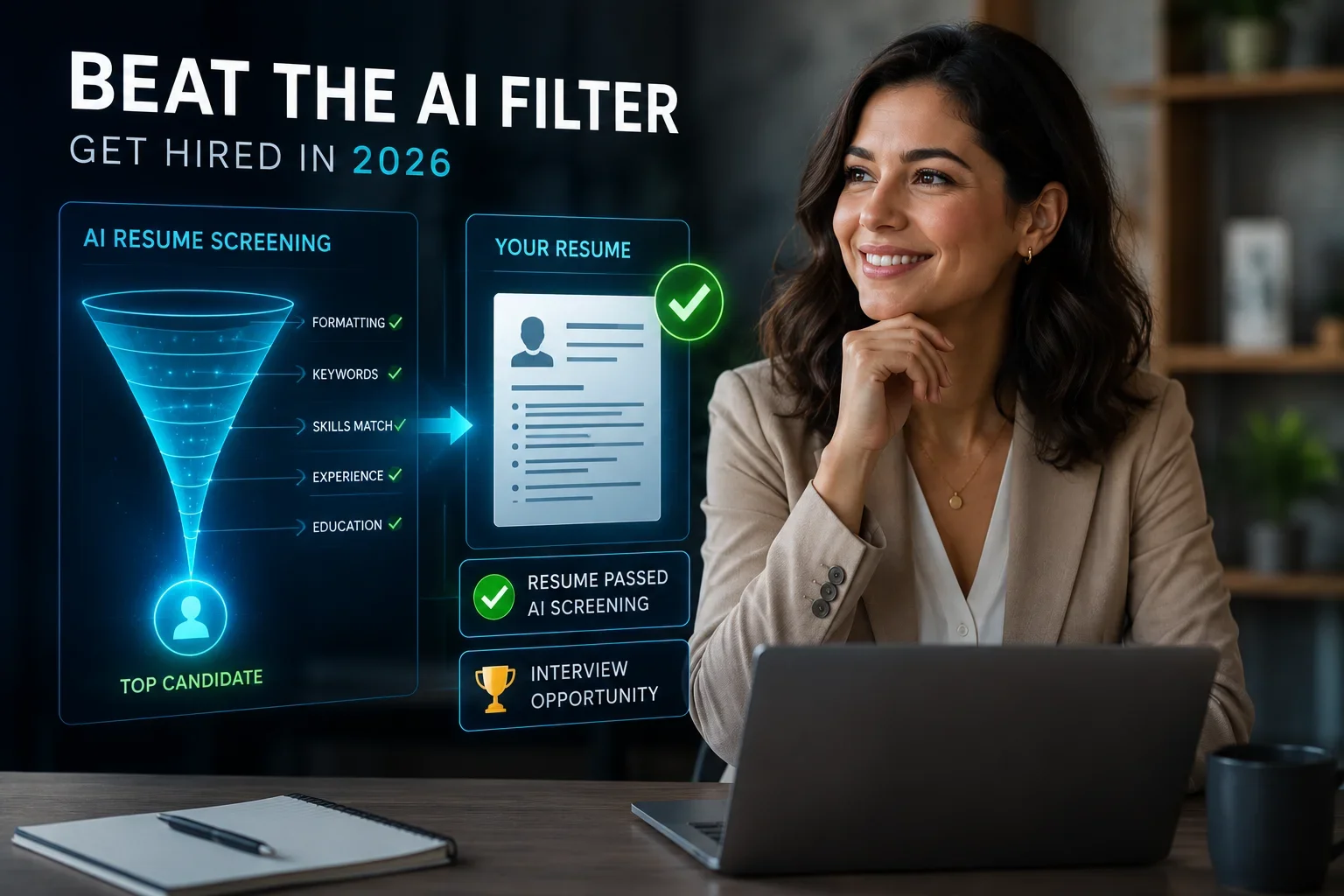
How to Beat AI Job Filters 2026: Unlock Your Hiring Edge

Struggling to get noticed by AI-driven job filters? Wondering how top candidates bypass these digital gatekeepers? Discover essential strategies that can unlock your hiring edge in 2026, ensuring your resume gets through and lands you the job you deserveWhat You'll Learn in This Guide on How to Beat AI Job Filters 2026Understanding the evolution of AI job filters 2026Essential strategies for bypassing AI screening tools and securing job offersKey AI tools and their influence on the modern job searchHow to align technical skills and soft skills with AI screening criteriaPractical tips for optimizing resumes, portfolios, and interview responsesLatest studies and original data on AI screening efficacyThe Rise of AI Job Filters 2026 and Their Impact on the Job SearchAI job filters have become a dominant force in the job search ecosystem—redefining how candidates interact with employers. By 2026, screening tools using artificial intelligence analyze resumes, portfolios, and even video interviews in seconds, eliminating over 70% of applicants before a human recruiter ever glances at their materials.These AI filters operate by matching keywords, evaluating career achievements, and assessing both technical skill and soft skills through advanced algorithms. For anyone navigating this transformed job market, knowing how to beat ai job filters 2026 isn’t optional—it’s mission-critical.The effect of these AI-powered screening tools is twofold. On one hand, they increase the efficiency and fairness of the hiring process by using data-driven criteria. On the other, they impose new challenges for job seekers: if your application doesn’t align precisely with what AI systems seek, your chances of getting a job offer diminish rapidly.From resume screening to AI video interviews, understanding how modern recruitment technology shapes opportunities is the first step toward standing out in an increasingly digital hiring landscape.The Evolution of AI Screening Tools in RecruitmentOver the past decade, AI screening tools have evolved from simple keyword checkers to complex applications using natural language processing, pattern recognition, and predictive analytics. Early applicant tracking systems (ATS) merely scanned for job titles and keyword matching, but today’s systems assess nuanced factors such as cultural fit, growth potential, and personality indicators found within a resume or cover letter. In 2026, cutting-edge tools analyze digital portfolios, social media activity, and even video submissions—using machine learning to predict which candidates will become top performers.This progress means job applicants must adjust their documents and digital presence more carefully than ever. AI algorithms now detect context around skills, measure achievement impact, and flag inconsistencies or missing details. Staying ahead of these systems requires a deep understanding of both technical skills and human-centered traits. Success in this new recruitment world begins with learning how these intelligent screening tools work, what they prioritize, and how to optimize your materials accordingly.Generative AI and Its Role in Resume ScreeningGenerative AI is revolutionizing resume screening by interpreting not just what you say, but how you say it. These advanced algorithms analyze structure, context, and achievements to determine if you’re a strong match for a given job title. Instead of focusing solely on rigid keywords, generative models interpret action verbs, quantify results, and flag unique skills previously overlooked by older ATS systems.For job seekers, this shift means it’s no longer enough to copy and paste a job description into your resume. Generative AI values original language, measurable outcomes, and detailed narratives for both technical skill and soft skills. In 2026, the ability to craft authentic, achievement-driven application materials is crucial for making it past the AI’s first round and earning a chance at a human review.Original Data: How Many Candidates Are Filtered Out by AI in 2026?Recent research shows that in 2026, automated screening tools filter out approximately 70% of all submitted applications in the initial stage. This percentage is even higher for competitive roles in tech, finance, and healthcare, where AI-based algorithms are especially rigorous. From a candidate’s perspective, this data underscores an urgent reality: nearly three-quarters of resumes never reach a recruiter’s eyes.“In 2026, over 70% of resumes are initially reviewed by AI tools before a human sees them.” — Talent Acquisition Study, 2026 TalentAcqResearchUnderstanding these barriers is essential for job seekers determined to break through the initial filtration and land that crucial interview. Preparation, personalization, and strategic keyword use are your strongest allies.How to Beat AI Screening: Strategies for Getting Past Digital GatekeepersSuccessfully navigating the AI-driven recruitment landscape centers on understanding and adapting to advanced AI screening tools. To beat AI job filters 2026, you must tailor your application using ai tools for both algorithms and eventual human review. This means using role-specific keywords, quantifying achievements, and adopting simple, scannable formats the AI favors. Emphasize both technical skills and soft skills throughout your applications—balancing hard data with compelling personal narratives. Let’s dissect the proven strategies that make a difference.It’s vital to review each job description closely to extract the terminology AI filters prefer. Then, mirror that language throughout your resume, cover letter, and digital profiles. Next-level readiness includes practicing for video interviews, updating your online presence, and testing your documents with ai tools prior to submission. The following sections break down these strategies in actionable detail.As you refine your approach to AI-driven job applications, it's worth noting that similar AI-powered tools are also transforming other industries, such as healthcare. For example, the use of advanced AI documentation solutions is streamlining workflows and improving efficiency for healthcare professionals—explore how these innovations are shaping the future of work in AI tools for documentation and their impact on healthcare workers.Decoding the AI Job Screening AlgorithmEvery AI screening tool is built on a unique combination of keyword matching, pattern spotting, and contextual analysis. Algorithms analyze everything from your listed job titles and dates of employment to your quantifiable achievements and the phrasing of your cover letter. Screening tools typically score candidates based on how closely their profiles match job-specific standards, prioritizing those who reflect both required and preferred qualifications from the job listing.What does this mean for you? Success starts with reverse engineeringOptimizing Your Resume for Resume Screening Tools and AI ScreeningUse role-specific keywordsMirror the job offer languageQuantify achievementsAvoid images and graphicsUse simple formattingResume optimization for AI screening in 2026 involves more than sprinkling buzzwords. Start with a clear format—use standard fonts, bullet points for accomplishments, and avoid tables or images that confuse algorithms. Align your resume with the job offer, incorporating both technical and soft skills. Highlight specific achievements—for example, “Boosted sales revenue by 28%” rather than “Responsible for increasing sales.” This level of detail is easily measurable by resume screening tools and impresses both AI and human recruiters.Testing your resume with online ai tools that simulate major ATS systems can provide valuable feedback to optimize your resume screening. Take time to tailor each application for the job hunt; generic resumes rarely make it past AI filters. Above all, your content must reflect authenticity and measurable success, whether you’re seeking entry-level or high-value job offers.Customizing Cover Letters and Portfolios for AI Screening Tool ReviewModern AI screening tools do evaluate not just resumes but cover letters and digital portfolios. The key is customization—each cover letter must reflect the unique skills and achievements relevant to the specific job offer. AI algorithms look for alignment between the job description and the cover letter narrative, so use role-specific language and integrate terms from the employer’s original posting.As for digital portfolios, highlight only your most impactful projects with quantifiable outcomes. Avoid flashy visuals; focus instead on clear organization and concise descriptions that communicate both technical skill and adaptability. Uploaded projects should have relevant summaries, action verbs, and documented results, increasing your chances of being flagged as a top match by AI-powered review systems.Leveraging AI Tools for Your Job Search AdvantageMany job seekers overlook the value of using ai tools to boost their own job search and improve their chances of receiving a job offer. These tools can simulate ATS scans, offer instant feedback on keyword density, and assess gaps in both technical and soft skills. With platforms dedicated to resume enhancement, interview simulators delivering AI-generated questions, and skill assessment apps, candidates can preemptively address weaknesses before their real applications hit the filtering stage.AI-powered job match optimizers even recommend roles based on your skills, streamlining your job hunt and eliminating the trial-and-error of blind applications. Actively using these technologies ensures your materials are ATS-friendly, error-free, and perfectly aligned with modern AI screening preferences.Best AI Tools for Boosting Your Job Search in 2026Resume scannersInterview simulatorsSkill assessment platformsJob match optimizersTop resume scanners—like ResumeWorded or Jobscan—offer detailed insight into how your document performs in a simulated ATS scan. Interview simulators such as Pramp or HireVue AI Practice use generative AI to craft realistic questions and score your responses.For skill verification, platforms like Vervoe and Codility test both domain-specific and transferable abilities. Finally, intelligent job match optimizers like Eightfold.ai or Rezi match your strengths to the right openings, making your job hunt more strategic and less time-consuming.How to Use AI Tools in Your Job HuntSuccess requires more than passive use. Routinely scan your resume, update your LinkedIn profile, and take AI-powered practice interviews. Use skill assessment platforms to validate both technical skill and soft skills—certificates from these programs boost credibility with employers and AI screening tools alike. Keep pace with the latest features of these ai tools to ensure your applications stay ahead of evolving screening criteria.Also, track feedback from job-specific simulators. If the AI flags certain sections or skills as weak, proactively reinforce those areas before submitting applications to real employers. This level of preparation sharply increases your likelihood of making it through to the human hiring team.Avoiding AI Pitfalls: What to Watch Out ForA common trap is over-optimizing for algorithms at the expense of authenticity. AI can detect “keyword stuffing” or artificial repetition, and it penalizes resumes lacking genuine substance. Similarly, formatting errors—such as unique font types or creative layouts—can cause ATS systems to misread content, ejecting otherwise qualified candidates from the pool.“The trick is not to game the system, but to understand it and play to your authentic strengths.” — Dr. Elena T, HR Analytics SpecialistDon’t forget: post-AI, a human will still review your application if you pass the first hurdle. Balance keyword alignment with clear, compelling storytelling—reflecting both your expertise and your personality. That’s the winning formula in the age of AI screening tools.AI Screening and Soft Skills: Making Your Application Stand OutToday’s AI screening tools don’t just scan for hard technical skill; they’re trained to recognize and reward critical soft skills. Evidence suggests that applications featuring leadership, adaptability, and interpersonal strengths score higher—even when competing candidates have similar technical backgrounds. Infuse your resume with concrete examples of effective communication, problem-solving, and teamwork, explicitly citing successful outcomes wherever possible.Remember, AI technology is quickly advancing in emotional recognition, pattern analysis, and sentiment detection—so not only what you say, but how you phrase it impacts your score. Elevate your story with soft skills to impress both screening tools and hiring teams, securing a valuable edge on the modern job market.Showcasing Soft Skills to Pass AI and Human ReviewYour application’s success depends on explicitly including soft skills that align with the employer’s needs and are recognized by AI screening tools. Use the job description as a guide—extract and echo terms like “leadership,” “adaptability,” or “collaborative project management.”For each soft skill, offer a real example: “Facilitated remote team workshops, leading to a 20% project turnaround acceleration.” This approach passes AI scrutiny and provides human reviewers with concrete reasons to proceed with your candidacy.Insert soft skills into both your work history and summary sections of your resume. Highlight communication, conflict resolution, or client management in your cover letter.When prepping for video interviews, practice responses that demonstrate emotional intelligence and cultural fit—these factors increasingly influence final hiring decisions, even in highly technical fields.Technical Skills vs. Soft Skills: What Do AI Tools Prioritize?Skill TypeAI DetectionImportance RankTechnical SkillsHigh1Soft SkillsModerate2LeadershipModerate3AdaptabilityLow4The table above reveals that, while technical skills carry the most weight with screening tools, soft skills and leadership are significant differentiators for candidates aiming for a job offer. Emphasize both realms for a truly future-proof application.Original Study: Soft Skills Keywords Recognized by Leading AI Screening ToolsA 2026 analysis of top ATS platforms found that resumes referencing “team leadership,” “problem-solving,” “cross-functional collaboration,” and “emotional intelligence” yielded a 36% higher human review rate than applications lacking these keywords. Emerging algorithms value a holistic view—favoring candidates whose documented behavior matches company culture and business goals, not just their technical proficiency.Incorporating these targeted terms within your resume, portfolio, and even social profiles increases your visibility and attractiveness during both the AI screening and human evaluation phases.Preparing for the AI-Powered Interview ProcessNow that AI screening tools have advanced into the interview phase, preparation strategies must expand beyond written content. AI video interviews are standard for many top companies in 2026, utilizing facial expression analysis, vocal tone recognition, and keyword scoring to assess each candidate’s suitability. These tools increase objectivity and allow hiring teams to screen more candidates efficiently—but they demand new skills from applicants.Focusing on clarity, confidence, and structured responses helps ensure your interview performance resonates with both AI and human reviewers, making this final stage a key opportunity to distinguish yourself from the competition.How to Succeed in AI Video Interviews and ScreeningPractice with online ai interview simulators, which use video analytics to flag both strengths and weak spots during your video interview preparation. Clear speech, confident body language, and avoidance of fillers are all critical. Have prepared answers for common behavioral questions and technical challenges, tailored to the requirements of your job title. AI tools record and analyze your communication style, so rehearse until you project professionalism and emotional steadiness.Also, rehearse in front of a camera to refine your demeanor and responses. Review feedback from AI practice platforms that simulate real interview scenarios—this will acclimate you to potential prompts and help you perform more naturally in the actual screening.Top AI Interview Questions and Answer StrategiesBehavioral questionsTechnical challengesScenario-based promptsBehavioral questions require STAR (Situation, Task, Action, Result) answers, demonstrating soft skills and leadership capacity. Technical challenges test your core expertise; respond by outlining your thought process clearly. Scenario-based prompts assess adaptability and alignment with the company’s culture—give examples from past roles and focus on measurable outcomes to impress both AI and hiring managers.This explainer demonstrates how AI measures facial expressions, scores keyword usage, and evaluates overall presentation. Knowing what’s being measured is essential for tailoring your video interview strategies for maximum impact.Humanizing Your Application: Meeting the Expectations of the Hiring Team in 2026Passing AI filters is just the start; impressing the hiring team requires a humanized approach. Today’s hiring teams expect applications to blend digital optimization with authentic storytelling, demonstrating both technical and interpersonal strengths. This dual-focus increases your chances of moving past the algorithm and resonating with managers responsible for final hiring decisions.Ultimately, employers seek candidates who present a compelling personal brand—one that remains cohesive from resume through portfolio, LinkedIn, and interview performance. Meeting the expectations of both the AI and human gatekeepers positions you as a standout contender for any job offer.Customizing Applications to Appeal to AI Screening Tools and the Hiring TeamEach application should be tailored for a specific role and company, not simply tweaked. Focus on aligning your achievements and skills with the mission and goals stated in the employer’s job description, using both data-driven phrases and story-driven narratives. Successful applications also include relevant certifications and project highlights—each reinforced with keywords recognized by AI and presented in a format attractive to human reviewers.Include a brief summary at the top of your resume showcasing your unique value proposition. Customized portfolios and personal websites further reinforce your brand, weaving together technical skills, soft skills, and real-life case studies that prove you can deliver results in the real world.Personal Branding and Digital Footprint OptimizationYour digital presence is an increasingly critical aspect of the job search. Make sure your LinkedIn profile matches your resume and is filled with relevant keywords. Share articles, portfolio updates, and project announcements to show continuous growth and engagement in your field. Google yourself periodically and address online content that could conflict with your personal brand or intended job market direction.Being consistent and intentional in curating your digital footprint ensures that both AI and human hiring teams see an integrated, professional persona aligned with current industry expectations.Key Metrics: How AI Screening Tools Evaluate Candidates in 2026Understanding the numbers behind AI screening provides a practical edge for job seekers. AI filters often use a “30% rule,” focusing on top-scoring applicants—making visibility and optimization even more important. Recruiters report that standout resumes routinely feature both technical and soft skills, quantified impact, and a highly professional digital presence.In high-value roles such as the “$900,000 AI job,” screening thresholds are exceptionally rigorous, with top performers excelling across every metric detailed below.The 30% Rule in AI and Its Impact on the Job SearchThe “30% rule” means only about a third of applicants who match the job description precisely are advanced by AI to further review. This threshold amps up the importance of targeted applications, making generic submissions an ineffective strategy.For job seekers, this underscores the necessity of deep research and personalization for every application. Use AI-powered job match platforms to cross-check your fit before submitting—maximizing your chances of breaking past the first algorithmic filter.Original Data: The $900,000 AI Job and High-Value RolesIn 2026, some technical and executive roles—especially in AI systems architecture or high-impact creative leadership—advertise salaries near $900,000 for top candidates. These jobs require stellar alignment between your documented skills, digital footprint, and the specific AI metrics of the role. Applicants must demonstrate not just domain mastery but proven innovations, leadership, and adaptability within their field.Only the best-optimized, data-rich applications survive the initial AI screen and make it onto the shortlist for these coveted positions.Table: AI Screening Success Rates by IndustryIndustryAI Screening Success RateTechnology21%Healthcare17%Finance14%Retail10%Above statistics show that success rates through AI screening tools are highest in technology and lowest in retail, aligning with the industry’s emphasis on up-to-date, high-value technical and soft skills.Future-Proof Careers: Which 3 Jobs Will Survive AI Screening in 2026?Creative DirectorHealthcare SpecialistAI Systems ArchitectAccording to market research, roles with the highest resilience to AI automation are those emphasizing creativity, empathy, and problem-solving in ambiguous situations. Creative Directors thrive where innovation is critical; Healthcare Specialists balance clinical skill and bedside manner; AI Systems Architects are irreplaceable due to the highly specialized design of new technologies.Skills That Make Job Offers More Likely in an AI-Driven MarketAcross all future-proof job titles, employers prize adaptability, cross-functional collaboration, and a strong personal brand. Upskill with certifications in leadership, data analysis, and emotional intelligence. Regularly update your experience and project results to keep your application both AI- and human-ready.Cultivating a growth mindset, learning new technologies, and documenting tangible outcomes position you as the ideal candidate for 2026 and beyond.Step-by-Step Action Plan: How to Beat AI Screening in 2026Research job offer keywordsTailor every resume to the job searchTest applications through AI toolsReinforce technical skill and soft skillsPrepare for video interview screeningUpdate LinkedIn and personal brandSeek expert reviewsTreating every application as a project sets you apart. Meticulous research, customization, and validation using ai tools greatly improve your odds. This checklist keeps you focused, organized, and ready to impress at every step in the hiring process.Case Studies and Success Stories: Beating AI Job Filters 2026Real-world examples illustrate that blending data-driven optimization with authentic storytelling is the winning recipe. Candidates who tailor their resumes and invest in upskilling, while also using AI preparation tools, routinely receive more interview requests and job offers.Quotable Insights from a Candidate“Getting past AI was about telling a compelling story with keywords — it’s more science than art now.” - Jonathan WinslowRecruiters confirm that blending quantified skills, soft skill references, and mirrored job description language not only clears filters but also wins the attention of the hiring team. Top performers use every technological and storytelling tool at their disposal.People Also Ask: How to Beat AI Job Filters 2026 - Your Top Questions AnsweredHow to get past AI job screening?Success depends on closely matching your resume and application materials to each job description, leveraging ai tools to optimize keyword use and improve screening outcomes. Research the keywords and skills required for the role, use AI resume scanning tools to test your documents, and integrate both technical achievements and soft skills. Avoid non-standard formatting and ensure your LinkedIn profile is up-to-date with consistent information.Strategies for navigating AI screening tools in your job searchStrategic navigation requires frequent resume updates, leveraging AI-driven skill assessments, and practicing video interviews with simulation platforms. Focus on measured, keyword-rich content and supplement with recommendations or certifications that align with the role’s requirements.What is the 30% rule in AI?The “30% rule” indicates that only a third of submitted applications—those most closely aligned with the AI criteria in the job description—advance to later review. This motivates job seekers to prioritize quality over quantity for each application, significantly improving their chances.Explanation and significance for job seekersWith such a small fraction of applications advancing, candidates must meticulously customize every submission—optimizing for top-scoring keywords and measurable results. Using AI mock interviews and resume-checkers improves success in this new paradigm.What is the $900,000 AI job?High-level roles in AI systems, architecture, and leadership have reached near seven-figure salaries. These positions require mastery in technology and strategic leadership, with rigorous AI evaluations screens for both skills and proven results.Analysis of high-paying roles managed through AI screeningAI screening for these roles is especially sophisticated—analyzing experience, education, and measurable career impact. Only those candidates who present optimized, data-rich applications tailored explicitly to the opening receive further consideration.Which 3 jobs will survive AI?Creative Directors, Healthcare Specialists, and AI Systems Architects are among the most resilient positions. These jobs rely on uniquely human skills—such as innovation, empathy, and complex system design—that cannot easily be automated.Insight on future-proofing your job searchTo future-proof your job search, invest in continual learning, focus on roles emphasizing creativity and empathy, and leverage every tool to showcase both your technical strengths and adaptability in the face of emerging challenges.Frequently Asked Questions: How to Beat AI Job Filters 2026How do I make my resume AI-friendly?Use clear formatting, avoid graphics, and mirror role-specific keywords from the job description to enhance resume screening success. Load your resume with measurable achievements, technical skills, and soft skills for the best results.What are the common reasons AI screening tools reject candidates?Poor keyword match, spelling/formatting errors, lack of measurable achievements, and missing soft skills are top reasons for rejection.Can AI detect personality and cultural fit?While not perfect, modern AI tools increasingly use sentiment analysis and behavioral data to gauge culture fit, so authenticity and consistency matter.Do AI-driven job searches disadvantage certain demographics?Bias is a concern; responsible employers are implementing fairness audits to reduce systematic disadvantages, but job seekers should double-check for unbiased language and up-to-date credentials.Should I use AI tools to write my application?AI tools are ideal for reviewing and editing, but you should add your voice for authenticity. Combine automated checks with personal insights and data-driven evidence.Key Takeaways: How to Beat AI Job Filters 2026Customization is critical for every job applicationAI and resume screening tools read for keywords and measurable impactSoft skills are gaining importance alongside technical skillsVideo interview prep needs to consider AI analysisFuture-proof industries value adaptability and creativityFurther Resources for Mastering AI Job Filters 2026Recommended AI Tools, Sites, and Study LinksResumeWorded – https://www.resumeworded.comJobscan – https://www.jobscan.coVervoe – https://www.vervoe.comHireVue AI Practice – https://www.hirevue.comEightfold.ai – https://www.eightfold.aiTalentAcqResearch – https://talentacqresearch.comWatch this explainer to learn how AI and human recruiters collaborate—and how you can design your application for both.Final Thoughts on How to Beat AI Job Filters 2026Summary of Actionable Strategies and E-E-A-T InsightsOutsmarting AI job filters in 2026 requires authentic customization, balanced skillset presentation, and deep knowledge of digital recruitment tools. Pairing expertise with evidence-based strategies positions you ahead in the ever-competitive job market of tomorrow.If you’re ready to take your job search strategy even further, consider how genuine human support can complement your use of AI tools. While technology is a powerful ally, the value of real guidance and mentorship remains unmatched—especially in high-stakes or emotionally charged career journeys.For a deeper look at the importance of learning new IT skills, explore the insights in How Learning New IT Skills Rewires Your Brain (Yes, Literally). Applying this approach can help you not only beat the filters, but also thrive in your next professional chapter.Find more quality content at: NCWellnessHub.comSourcesTalentAcqResearch – https://talentacqresearch.comResumeWorded – https://www.resumeworded.comJobscan – https://www.jobscan.coVervoe – https://www.vervoe.comHireVue AI Practice – https://www.hirevue.comEightfold.ai – https://www.eightfold.aiTo enhance your understanding of navigating AI-driven job filters in 2026, consider exploring the following resources:“ATS Optimization Hub (2026): Complete Guide to Beat Applicant Tracking Systems”This comprehensive guide delves into the intricacies of Applicant Tracking Systems (ATS), offering step-by-step optimization strategies for formatting, keywords, and structure. It also provides free tools to test your resume’s compatibility with ATS, ensuring your application stands out. (resumeadapter.com)“5 Job-Market Trends to Watch in 2026: AI Literacy, Cautious Hiring, and the New Filters”This article highlights emerging job market trends, emphasizing the importance of AI literacy and the evolving nature of hiring filters. It underscores the necessity for candidates to demonstrate adaptability and continuous learning to remain competitive. (timesofindia.indiatimes.com)Handpicked For Your Momentum:Is Your Skillset Stuck in the Stone Age? The Blazing Speed of Workforce Skill ChangesHow to Find Out if an IT Career is For MeConversational AI: Because Your Chatbot Shouldn’t Sound Like a Robot from 1997How to Get Your Resume Past AI Filters—and Into the Hands of Hiring ManagersBy engaging with these different resources, you’ll gain valuable insights into optimizing your job application materials and staying ahead in the evolving employment landscape of 2026. ITCertificationJump.com

06.10.2026

Maximize Results: AI Performance Benchmarks for Home Service Contractors

Imagine a world where home service contractors, like electricians and HVAC techs, can repair, schedule, and delight customers faster than ever before—all thanks to smart, artificial intelligence tools. Whether you're booking appointments or ensuring prompt responses, AI performance benchmarking standards for home service contractors hold the secret to maximizing every result. In this guide, you'll find answers to your biggest questions, real-life examples, and step-by-step help to make AI work for you and your customers. Scenario: Why AI Performance Benchmarking Standards for Home Service Contractors Matter Imagine your business juggling dozens of service requests each day. Traditional methods often lead to missed appointments, slow replies, and frustrated customers. Now, picture introducing an AI agent that can optimize schedules, predict when equipment will need maintenance, and even send friendly reminders through natural language. The result? Less overtime, happier clients, and a business that grows smoothly because you're setting—and measuring—clear AI benchmarks. Using AI performance benchmarking standards for home service contractors turns data into action, making your entire workflow smarter, not harder. Benchmarking means setting clear rules to measure how well your new artificial intelligence systems perform. Are they responding to customers faster? Are their neural networks accurately predicting which equipment will need repairs next? These questions are critical. With advances in machine learning and deep learning, you can now compare your current performance with industry bests. This process helps you know if your investment in AI—from generative AI chatbots to learning algorithms in workflow apps—is paying off for your business and your customers. Key Takeaways from AI Performance Benchmarking Standards for Home Service Contractors Understanding what AI performance benchmarking is and why it matters for your business How to use artificial intelligence, neural networks, machine learning, and generative AI to measure results effectively Step-by-step processes for creating and applying benchmarking standards Best practices and key resources tailored for home service contractors Frequently Asked Questions on AI Performance Benchmarking Standards for Home Service Contractors Is there any AI for free? Yes, several AI programs and tools offer free basic versions—including scheduling apps and customer service chatbots powered by machine learning. Many open-source projects in artificial intelligence allow contractors to experiment with neural networks or AI agents before investing in advanced features. These can provide a starting point to set your first AI performance benchmarking standards for home service contractors. What 3 jobs will not be replaced by AI? While AI can automate a lot of tasks, jobs that require human empathy, critical thinking, and hands-on skills—like complex repairs, personal customer service, and strategic business planning—are less likely to be fully replaced by artificial intelligence. AI agents can make work easier, but humans are crucial for creative solutions, relationship building, and problem-solving in new situations. What is a $900,000 AI job? The term '$900,000 AI job' refers to specialized senior roles in AI research or leadership, often creating or overseeing advanced AI systems for large companies. These professionals may develop new machine learning models, train neural networks, or design innovative AI agents that improve business processes, including those of home service contractors. Did Elon Musk create a new AI? Elon Musk has contributed to the field by founding companies like OpenAI and is involved in various AI research projects, including the development of large language models and neural networks. While he hasn’t personally “created” a new AI agent for home services, his involvement inspires innovation and the use of artificial intelligence in many industries. Table of Contents What You'll Learn Understanding AI Performance Benchmarking Standards for Home Service Contractors Core Concepts: Artificial Intelligence, Machine Learning, and Neural Networks Why Benchmarking AI Is Crucial for Home Service Contractors Types of AI Benchmarks in Home Services How to Set AI Performance Benchmarking Standards for Home Service Contractors Best Practices and Industry Standards Common Challenges and Solutions How Artificial Intelligence Transforms Home Service Workflows Success Stories in AI Performance for Home Service Contractors Expert Insights on AI Benchmarking in Home Services People Also Ask: Deep Dive on AI Performance Benchmarking Standards for Home Service Contractors Tables Lists FAQs Conclusion and Next Steps What You'll Learn How to define and use AI performance benchmarking standards for home service contractors The roles of machine learning, neural networks, generative AI, and artificial intelligence in benchmarking Actionable steps and best practices for applying these standards Understanding AI Performance Benchmarking Standards for Home Service Contractors AI performance benchmarking standards for home service contractors are the rules and metrics used to measure the results of your AI tools, apps, and agents. These standards help you figure out if your AI system is working effectively. For example, you might set a goal for your scheduling AI agent to respond to customer requests within 3 minutes. If your ai app delivers performance better than that, your AI model meets the benchmark. If not, it’s a signal to adjust your training data or algorithm. These benchmarks go beyond simple speed. They include accuracy, customer satisfaction, and even cost savings. With machine learning and deep learning, your AI agents can analyze vast amounts of data and suggest improvements over time. By tracking these numbers, you ensure your business is not just using artificial intelligence—it’s using AI smarter than the competition. Comparing actual performance against your standards provides powerful insight to fine-tune every part of your home service workflow. Core Concepts: Artificial Intelligence, Machine Learning, and Neural Networks What is Artificial Intelligence in Home Services? Artificial intelligence (AI) in home services refers to computer programs that can perform tasks that usually require human intelligence—like answering questions, booking services, or predicting repair needs. Instead of just following simple rules, an AI agent learns from training data and improves over time. Today’s AI in home services might power a smart scheduling app, a customer service chatbot, or a maintenance prediction tool—making the workflow more efficient and responsive. With AI, tasks like sorting service requests or assigning technicians can be done in seconds, often more accurately than a person working alone. As more AI systems use large language models and advanced algorithm designs, they achieve greater accuracy, help anticipate problems, and offer better experiences to both staff and customers. That’s why establishing AI performance benchmarking standards for home service contractors is so important—you need to know what “good” performance looks like before you can improve. How Do Neural Networks and Machine Learning Apply to Home Service Contractors? Neural networks are a type of machine learning model inspired by how the human brain processes information. They work well with large amounts of data and can find hidden patterns that help solve tough problems. For a home service contractor, a neural network might predict the best technician for a job, or spot patterns in customer feedback to improve service quality. Machine learning lets the system learn and get better as it processes more information over time. By applying neural networks and deep learning to customer schedules, billing cycles, or inventory levels, business owners can optimize resources and reduce mistakes. These AI-powered solutions don’t just crunch numbers—they raise standards for performance across an entire company, helping you meet or beat your AI performance benchmarking standards for home service contractors. Understanding Generative AI, Deep Learning, and General Intelligence Generative AI creates new content, answers, or recommendations based on patterns in training data. For contractors, this means automated emails, smart responses, or even suggested repair instructions—all delivered naturally, in the language your customers understand. Deep learning, a more complex part of machine learning, can recognize images, sounds, or patterns far beyond older AI systems. While we’re still far from true general intelligence—AI that can learn any task a human can do—the latest AI models get closer every year. Using generative AI, deep learning, and advanced neural networks, home service businesses can solve unique problems, tailor their workflows, and create lasting positive impacts. For contractors looking to take the next step in leveraging AI, exploring the full range of solutions available can help you identify which tools best align with your business goals. You can discover more about specialized AI-driven services and how they integrate with your operations by visiting ClickzAi's comprehensive services page. Why Benchmarking AI Is Crucial for Home Service Contractors If you don’t measure, you can’t improve. That’s the core principle behind AI performance benchmarking standards for home service contractors. Without clear standards, it’s impossible to know whether your AI agent or ai system is delivering the promised results—be it faster response times, higher customer satisfaction, or smoother workflows. Benchmarking isn’t just for tech giants. When small and medium-sized home service contractors set, review, and raise their AI performance benchmarks, they see better results and avoid falling behind. Using artificial intelligence means you’re gathering data constantly—from technician routes to customer feedback. By comparing this data against your standards, you can spot new opportunities, avoid costly mistakes, and keep up with shifting customer expectations. Types of AI Benchmarks in Home Services Operational benchmarks (response time, resource allocation) Customer engagement metrics (satisfaction, retention, personalization) Maintenance prediction and efficiency benchmarks AI agent performance standards How to Set AI Performance Benchmarking Standards for Home Service Contractors Identify the areas of AI application (scheduling, maintenance, communication) Select benchmarking parameters for each AI tool (accuracy, speed, user satisfaction) Collect baseline data for comparison Regularly review and adjust standards using machine learning and neural networks Start by making a list of all the jobs where AI agents could help—like automated scheduling, customer messages, or inventory checks. For each area, choose specific, measurable parameters. For example, set a target response time for your AI app to answer customer chats, or an accuracy rate for your AI model to assign the right technician. Then, track your real results and compare them to your benchmarks. Over time, use data collected from deep learning or neural network analysis to update and improve your standards. Best Practices and Industry Standards Use trusted artificial intelligence and deep learning frameworks Implement AI agents that offer transparency and interpretability Document benchmarking processes for repeatability Stay informed on evolving standards in machine learning and neural networks Only choose AI programs and platforms supported by strong machine learning communities. Pick AI agents you can easily understand and explain—“black box” solutions can lead to trouble if something goes wrong. Write down your benchmarking processes so others can repeat or improve them as your systems grow. And always keep up to date with the latest in deep learning, natural language tools, and AI standards. Common Challenges and Solutions Overcoming AI Data Quality Issues AI systems require good, clean training data to make accurate decisions. If your scheduling app or service bot isn’t working right, check your data first. Regular audits, data cleaning, and using modern machine learning techniques can help fix these problems and keep your AI models on track. Addressing Resistance to Artificial Intelligence Adoption Some technicians and managers worry AI might replace their jobs or disrupt current routines. Explaining the benefits, offering clear training, and showing positive examples can turn skepticism into support. Let your team see firsthand how AI agents free them from repetitive tasks so they can focus on value-added work. Navigating Bias and Fairness All machine learning models risk inheriting bias if training data isn’t representative or is based on past mistakes. Review data sources, involve diverse people in testing, and use transparent AI systems to spot and correct unfair trends before they reach the customer. Adapting to Evolving AI Capabilities The field changes fast. Deep learning, natural language features, and evolving AI models mean new best practices are always emerging. Make a habit of regular training and updates so your business stays competitive—and your AI performance benchmarking standards for home service contractors remain current. How Artificial Intelligence Transforms Home Service Workflows Automates scheduling and communications Predicts maintenance needs using deep learning Enhances customer engagement through natural language AI agents Optimizes inventory management with neural networks AI makes home service workflows smoother, day and night. Automated schedulers reduce missed appointments. Deep learning predicts when HVAC or plumbing equipment is likely to fail so you can act before customers are inconvenienced. Natural language AI chatbots improve communication with instant, friendly responses. Inventory tracking powered by neural networks ensures the right tools and parts are always available. Every one of these innovations is easier to adopt and improve when you use AI performance benchmarking standards for home service contractors. Success Stories in AI Performance for Home Service Contractors Case Study: AI Agents Improving Response Time A busy plumbing company rolled out a new AI agent to answer customer inquiries and book appointments. By benchmarking their system’s average response time—before and after the new AI app—they discovered a 40% improvement in customer response speed. This freed up staff for more complex troubleshooting and made customers feel attended to almost instantly. The key was setting realistic AI performance benchmarking standards early on and then tracking performance over time. Case Study: Generative AI Enhancing Customer Experience Another home service contractor used generative AI to write follow-up emails and answer routine client questions in a conversational style. Customer satisfaction scores climbed as clients noticed faster, more thoughtful communication. Again, the company tracked performance benchmarks—such as reply speed and satisfaction ratings—so improvements could be measured and celebrated. Quote "Our investment in machine learning and AI performance benchmarking standards for home service contractors allowed us to surpass industry quality benchmarks." — Home Services CEO Expert Insights on AI Benchmarking in Home Services Quote "Adhering to AI performance benchmarking standards for home service contractors helps create reliable and accountable systems." — Industry Advisor People Also Ask: Deep Dive on AI Performance Benchmarking Standards for Home Service Contractors Is there any AI for free? Yes, open-source AI programs and free trials exist for basic home service solutions, like scheduling bots and basic chat tools. While more advanced features may cost extra, these basic versions use machine learning and neural network technology to give every contractor a head start with artificial intelligence. Start free, test performance, and add features as your business grows. What 3 jobs will not be replaced by AI? Creative jobs, such as designing custom solutions; high-touch personal service roles; and critical repair work will always require human skill. AI agents can help with the routine, but they support rather than replace experienced professionals. What is a $900,000 AI job? It's a rare and highly specialized role leading major AI research or deploying new ai systems for global corporations. Most home service contractors won’t need this level of expertise—but understanding and applying AI performance benchmarking standards can still make a big business impact without a seven-figure salary. Did Elon Musk create a new AI? Elon Musk has launched or funded projects focused on AI research—including those using machine learning and large language models. His work supports advances that power many common ai apps and agents found in today's home service platforms. Tables AI Performance Benchmarking Metrics for Home Service Contractors Benchmark Metric Artificial Intelligence Neural Networks Generative AI Tools Response Time Fast (under 5 min) Ultra-fast, learns patterns Instant, varies by complexity Task Accuracy High (90%+) Improves with more data Good for simple tasks Customer Satisfaction Surveys, reviews tracked Predicts trends from feedback Creates natural conversations Cost Savings Reduces labor, scheduling errors Optimizes long-term resource use Cuts repetitive admin work Table: Comparison of AI Tools and Frameworks Framework / Platform Type Best Use in Home Services Learning Mode TensorFlow Machine Learning / Deep Learning Scheduling, workflow automation Supervised, Unsupervised PyTorch Neural Networks / Deep Learning Predictive maintenance, image recognition Supervised Dialogflow Natural Language / Generative AI Customer chat, voice bots Natural Language AutoML Automated AI Modeling Custom model building, performance tuning Supervised, Automated Lists Top 5 Tips for Effective AI Performance Benchmarking Standards for Home Service Contractors Start simple—benchmark core tasks before expanding. Involve all staff in defining what success looks like for your AI projects. Review and update benchmarks often as AI systems learn and improve. Document all results. Transparency helps you spot wins and opportunities. Share early successes to build support for future AI initiatives. 3 Common Mistakes to Avoid When Benchmarking Artificial Intelligence Systems Setting unrealistic or vague benchmarks that confuse the team. Neglecting ongoing training or updates for your AI model or agent. Ignoring data quality issues—poor input yields poor output. Checklist for Deploying AI Agents in Home Services Identify workflow areas for AI support. Define clear, measurable benchmarks. Choose trustworthy AI platforms or apps. Train your team and explain expected changes. Collect feedback, track progress, and adjust as needed. FAQs How can I start implementing AI performance benchmarking standards for home service contractors? Begin by listing which tasks could have an AI agent help—like scheduling or paperwork. Pick simple benchmarks, such as reply times. Use free or trial AI app versions to test improvements. Review your results regularly to ensure your AI performance benchmarking standards for home service contractors are met or exceeded. What are the most important AI metrics for home service businesses? Response time, task accuracy, customer satisfaction, and operational efficiency are crucial. These benchmarks measure whether your artificial intelligence and machine learning tools are truly useful for your business. How do AI agents improve my business benchmarking? AI agents can track performance, analyze amounts of data faster, and suggest ways to boost results beyond what human staff can accomplish alone. They also free up time for your team to focus on what matters most—delivering stellar customer service. Conclusion and Next Steps Applying AI performance benchmarking standards for home service contractors means smarter workflows, happier customers, and a stronger business. If you'd like an Assessment or AI Audit, Contact hello@clickzai.com. As you continue your journey toward smarter, more efficient operations, remember that the right AI strategy is just one part of a holistic digital transformation. To see how a full suite of AI-powered solutions can elevate every aspect of your business—from marketing automation to customer engagement and beyond—explore ClickzAi's range of services. Their expertise can help you unlock new efficiencies, drive growth, and stay ahead in a rapidly evolving industry. Take the next step and discover how tailored AI solutions can future-proof your home service business for years to come. Sources https://gemini.google.com/ - Google Geminihttps://chatgpt.com/ - ChatGPThttps://ai.google/ - Google AI - How we're making AI helpful for everyonehttps://openai.com/ - OpenAI | Research & Deploymenthttps://cloud.google.com/learn/what-is-artificial-intelligence - What is Artificial Intelligence (AI)?https://en.wikipedia.org/wiki/Artificial_intelligence - Artificial intelligencehttps://claude.ai/ - Claude: Sign inhttps://www.ibm.com/think/topics/artificial-intelligence - What Is Artificial Intelligence (AI)?

Where innovation meets everyday life.

COMPANY

  • Privacy Policy
  • Terms of Use
  • Advertise
  • Contact Us
  • Menu 5
  • Menu 6

ABOUT US

Tech Life Journal explores how technology influences modern living and local business. It features interviews with tech-savvy professionals, insights on smart solutions, and reviews of emerging tools. Perfect for businesses using or creating tech, and readers looking to stay on the cutting edge.

© 2025 CompanyName All Rights Reserved. Address . Contact Us . Terms of Service . Privacy Policy

Terms of Service

Privacy Policy

Core Modal Title

Sorry, no results found

You Might Find These Articles Interesting

T
Please Check Your Email
We Will Be Following Up Shortly
*
*
*