
Tech Life Journal
Tech Life Journal 
  • Home
  • Categories
    • Innovation
    • Digital Tools
    • Smart Living
    • Health Tech
    • Gear Review
    • Digital Life
    • Tech Travel
    • Voices in Tech
  • Featured
May 30.2025
3 Minutes Read

Real-time Sensors Are Transforming Wound Care Through Biomarker Measurement

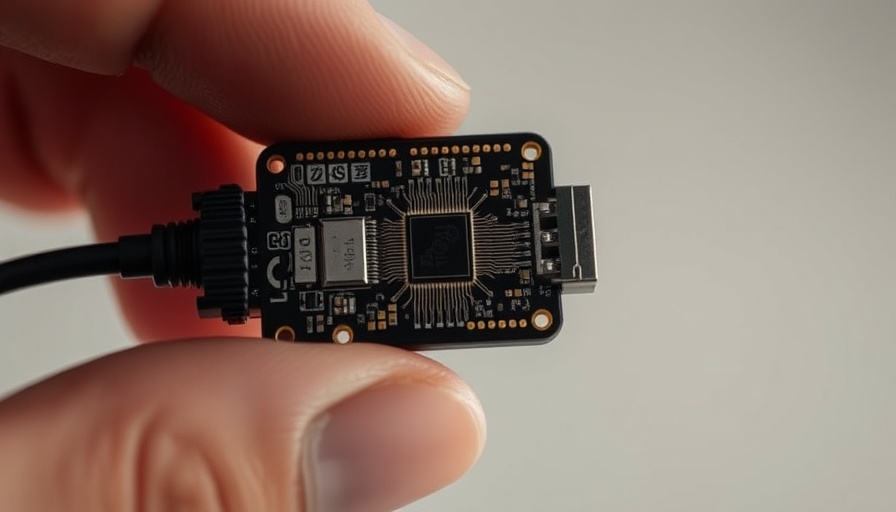
Close-up of real-time sensors for wound care, showcasing details.

Revolutionizing Wound Care: The Role of Real-time Sensors

In the ever-evolving field of healthcare, the need for precise and effective wound management is critical. Traditional methods of wound assessment have heavily relied on the subjective visual evaluations of medical professionals, introducing significant variations in diagnosis and care. However, recent advancements in technology are challenging these conventional practices, making way for more reliable and quantifiable solutions, such as real-time sensors that measure biomarkers crucial for healing.

The Significance of Nitric Oxide in Healing

Nitric oxide (NO) plays a pivotal role in the body’s immune response and healing processes. This gas is produced by immune cells during inflammation, making it vital for initiating recovery. However, its fleeting nature poses a challenge for measurement. Scientific literature notes that NO has a short lifespan, lasting mere seconds before it dissipates. Consequently, efficient detection methods capable of delivering real-time readings are imperative. The MERLIN sensor, a new and innovative technology, addresses this issue by providing localized, rapid detection of NO levels across wounds.

Understanding the MERLIN Sensor Array

The MERLIN sensor array, developed by the Cohen-Karni research group, employs a multiplexed, electrochemical system designed to track inflammation and measure NO concentration with remarkable accuracy. Its design resembles that of a glucose monitor, operating to track biomarkers throughout the wound healing process. Recent studies conducted on rat skin demonstrate its effectiveness; NO levels rose during inflammation and mirrored findings from previous studies, indicating consistent performance.

A Step Towards Human Trials: What Lies Ahead

Looking ahead, the advantages of the MERLIN sensor extend beyond animal trials as it prepares to enter human clinical trials at the University of Pittsburgh Medical Center (UPMC). This transition is crucial, as it promises to bring real-time assessment tools directly into clinical settings, where they can dramatically enhance the care provided to patients with wounds.

Potential Benefits for Healthcare Providers and Patients

For healthcare providers, the ability to accurately measure NO levels allows for a more precise assessment of a wound's state and its response to treatment. This innovative monitoring device can help clinicians formulate better therapeutic strategies and make informed decisions, ultimately leading to improved patient outcomes. Moreover, for patients, this real-time data collection could mean more focused treatments tailored to the specific requirements of their healing process.

Integrating Multi-Disciplinary Approaches for Enhanced Outcomes

The MERLIN sensor's development is a testament to the collaborative efforts of researchers from various institutions, including Carnegie Mellon University and the University of Pittsburgh. Their focus on the sensor's flexibility, size, and operational speed aims to create an unobtrusive and efficient healthcare tool that can seamlessly integrate into existing medical practices.

Future Trends: A Comprehensive Picture of Wound Healing

As technology continues to advance, the field of wound care is likely to evolve further. The integration of sensors that monitor additional biomarkers, beyond nitric oxide, could provide a more comprehensive picture of the healing process. Furthermore, the potential to incorporate telemedicine into this monitoring system could allow clinicians to evaluate conditions remotely, reducing the necessity for frequent hospital visits.

Actionable Insights for Clinicians and Patients

The introduction of real-time sensors like the MERLIN represents an exciting opportunity for both clinicians and patients. By embracing these technologies, healthcare providers can shift from subjective assessments to data-driven decisions. Patients, on the other hand, can find reassurance in knowing their healing process is being monitored meticulously.

Conclusion: The Turning Point in Wound Care

As we stand at this crossroads of technology and healthcare, advancements like the MERLIN sensor point toward a future where wound care is not only more effective but also more human-centered. It invites healthcare professionals and patients alike to engage with a system that emphasizes evidence-based treatment and personalized care.

Health Tech

0 Comments

Write A Comment

*
*
Please complete the captcha to submit your comment.
Related Posts All Posts
07.20.2026

How DNA Blood Test Enhances Patient Selection for Prostate Cancer Therapy

Update Revolutionizing Prostate Cancer Treatment with DNA Blood Testing Prostate cancer, one of the most prevalent cancers among men, poses a significant challenge due to the variability in treatment responses among patients. Recently, innovation in medical diagnostics has ushered in a potential breakthrough: a DNA blood test designed to enhance the selection of patients for radiopharmaceutical therapy. This transformative approach could ensure more tailor-made treatments, improving patient outcomes significantly. The Importance of Targeted Therapy Traditional methods of determining the eligibility of patients for therapies like radiopharmaceuticals can often be imprecise, leading to unnecessary treatments and their associated side effects. By integrating a DNA blood test into the pre-therapy process, doctors can more accurately identify which patients are likely to benefit from targeted radiopharmaceutical therapies. This shift not only maximizes the effectiveness of treatment but also minimizes the emotional and physical toll on patients. How the DNA Test Works The DNA blood test analyzes circulating tumor DNA (ctDNA) found in a patient's bloodstream. This ctDNA provides critical information concerning the cancer’s genetic makeup, allowing medical professionals to assess how well a potential therapy might work. In clinical trials, researchers observed that those identified as eligible through the DNA test experience significantly better outcomes with radiopharmaceuticals compared to those who did not undergo testing. Benefits of Early Detection and Personalization Utilizing DNA blood testing in prostate cancer therapy aligns with the growing trend toward personalized medicine. Early detection of genetic mutations not only fosters a more precise treatment approach but can also facilitate timely interventions that are crucial in managing aggressive forms of cancer. Patients often report feeling a renewed sense of hope when their treatment plan incorporates innovative diagnostics that have the potential to enhance their prognosis. Implications for the Future of Cancer Treatment This advancement reflects a significant leap in how prostate cancer—and cancer treatment in general—is approached. As more research solidifies the efficacy of DNA blood tests, we may anticipate their broader implementation across various cancer types, marking a promising era in oncology. Overall, this DNA blood test stands as a beacon of hope for prostate cancer patients, emphasizing the importance of personalized medicine in enhancing treatment outcomes. With ongoing research and clinical trials, the healthcare community is more equipped than ever to make informed therapeutic decisions that prioritize patient well-being.

07.20.2026

Unlocking Potential: How DNA Blood Tests Improve Cancer Treatment Strategies

Update Revolutionizing Cancer Treatment: The Role of DNA Blood Tests Recent advancements in medical technology have opened new avenues for treating prostate cancer. A groundbreaking study reveals that DNA blood tests can significantly improve patient selection for radiopharmaceutical therapies. This innovation is not only enhancing treatment effectiveness but also paving the way for personalized medicine in oncology. Understanding the Impact on Patient Care Traditionally, selecting the right treatment for prostate cancer patients could be a guessing game, often leading to suboptimal outcomes. The DNA blood test analyzes circulating tumor DNA (ctDNA) from the patient's blood sample, providing valuable insights into the genetic makeup of the cancer. This allows healthcare providers to identify which patients are most likely to benefit from specific radiopharmaceutical therapies, thus improving the chances of successful treatment. Highlighting Innovative Treatments in Oncology One of the radiopharmaceuticals highlighted in the study is Radium-223, which targets bone metastases in prostate cancer patients. By combining DNA testing with the use of this and similar therapies, doctors can tailor treatment plans that maximize efficacy and minimize side effects. This approach exemplifies the shift towards precision medicine, where treatments are customized to the individual characteristics of each patient’s cancer. A New Era for Prostate Cancer Management With prostate cancer being one of the most common cancers among men worldwide, the implications of this research are profound. The ability to accurately assess which patients will respond to treatment can lead to more timely interventions, reduce unnecessary treatments, and provide a better quality of life for patients. Furthermore, patient engagement and education are enhanced as individuals become more involved in their treatment decisions based on genetic insights. Future Predictions: AI and Genetic Testing Looking ahead, the integration of artificial intelligence (AI) and genetic testing promises an even more monumental evolution in cancer treatment. AI systems could analyze vast amounts of genetic data in real-time, predicting patient responses to various therapies with high accuracy. This could further streamline treatment plans, ensuring that patients receive the most appropriate care without delay. Counterarguments: Challenges in Implementation Despite the promising nature of DNA blood tests, some challenges could hinder widespread adoption. The cost of such tests can be prohibitive for many healthcare systems, and there may be concerns regarding data privacy and the ethical implications of genetic testing. Additionally, not all medical practitioners may be equipped with the necessary training to interpret the results adequately. Therefore, further dialogue and education will be crucial in addressing these issues. Enhancing Patient Engagement Enhancing patient engagement through education about these genetic tests can empower individuals in their treatment journeys. Understanding the reasoning behind personalized treatments can foster trust and collaboration between patients and healthcare providers, resulting in improved health outcomes. This patient-centric approach is essential in modern healthcare, aiming for not just treatment but comprehensive care. In conclusion, the integration of DNA blood tests into the prostate cancer treatment landscape signifies a leap toward personalized medicine, where patients receive tailored therapies based on the unique genetic profile of their cancer. As the fields of oncology and technology converge, the importance of patient education and engagement will be paramount to ensure these innovations reach their full potential. It is essential for patients and healthcare providers alike to stay informed about these developments, forging a path towards more effective and compassionate cancer care.

07.19.2026

Warm Nights Linked to Health Issues in Premature Babies: How NICUs Are Responding

Update Understanding the Heat: The Challenges for NICU Premature Babies In neonatal intensive care units (NICUs), maintaining the right environmental conditions is crucial for the healthy development of premature babies. A recent study highlights a concerning correlation between warm nights and complications in the health of these vulnerable infants. As NICUs strive to protect their fragile patients, understanding the implications of nighttime warmth is essential for caregivers and families alike. The Impact of Temperature on Infant Health Research has shown that elevated temperatures during nighttime hours in NICUs can exacerbate health issues for premature babies. These infants, who are already at higher risk for respiratory problems and other complications, may experience increased stress due to warmth, potentially leading to further health decline. The implications are significant: NICUs must navigate how to balance their heating systems with the needs of their smallest residents. The Historical Context: Neonatal Care Evolution Historically, advancements in neonatal care have dramatically improved the survival rates of premature infants. Incubators and temperature regulation systems have been fundamental in this evolution. However, as technologies improve, the need to understand the nuances of infant care environments becomes increasingly vital. The lessons learned from ongoing research, such as that connecting warm nights to health complications, add to the growing body of knowledge that can shape future practices. Real-World Testimonials: Parents' Concerns Parents of premature infants often face a turbulent emotional journey while their babies are in NICUs. Many express worries about environmental factors, including temperature control. One parent shared, "Every detail matters when your baby is so fragile. Knowing that warm nighttime temperatures might affect my baby's health adds to my anxiety." These sentiments underscore the urgency for NICUs to communicate clearly with families about the steps being taken to ensure the best possible outcomes. Future Directions: Innovations in Neonatal Care Looking ahead, innovations in healthcare technology could provide solutions to mitigate the risks associated with warm temperatures. Think smart incubators equipped with precise monitoring systems that can adjust conditions in real-time. These advancements would not only enhance the care provided but also offer peace of mind to worried parents. What This Means for NICU Policies As more research emerges linking doctor-reviewed NICU environments with specific health outcomes, policies are likely to evolve. Implementation of standardized temperature guidelines could become pivotal in ensuring that premature infants receive consistent, optimal care. Healthcare professionals and NICU staff must stay informed and adapt their practices based on the latest findings to protect their patients effectively. In summary, the relationship between nighttime warmth and infant health in NICUs is a critical and evolving area of study. As we continue to learn about these interactions, our approach to neonatal care can be refined, resulting in better outcomes for some of the most vulnerable members of our communities.

Where innovation meets everyday life.

COMPANY

  • Privacy Policy
  • Terms of Use
  • Advertise
  • Contact Us
  • Menu 5
  • Menu 6

ABOUT US

Tech Life Journal explores how technology influences modern living and local business. It features interviews with tech-savvy professionals, insights on smart solutions, and reviews of emerging tools. Perfect for businesses using or creating tech, and readers looking to stay on the cutting edge.

© 2025 CompanyName All Rights Reserved. Address . Contact Us . Terms of Service . Privacy Policy

Terms of Service

Privacy Policy

Core Modal Title

Sorry, no results found

You Might Find These Articles Interesting

T
Please Check Your Email
We Will Be Following Up Shortly
*
*
*
