

Tech Life Journal
update
Tech Life Journal 
update
  • Home
  • Categories
    • Innovation
    • Digital Tools
    • Smart Living
    • Health Tech
    • Gear Review
    • Digital Life
    • Tech Travel
    • Voices in Tech
  • Featured
November 01.2025
3 Minutes Read

Sonos Arc Ultra vs. Marshall Heston 120: The Battle of Elite Soundbars

My Sonos Arc Ultra faced an unexpected challenger - and the soundbar met its match

Unraveling the Soundbar Showdown: Sonos Arc Ultra vs. Marshall Heston 120

In the exhilarating world of home audio, one soundbar has held the spotlight since late 2024—the Sonos Arc Ultra, a powerhouse in both performance and design, priced at $999. But with the rise of competitors like the Marshall Heston 120, consumers find themselves at a crossroads, faced with two formidable contenders that not only promise superior sound but also cater to distinct tastes and preferences.

Design Distinction: Rock Heritage vs. Modern Minimalism

When it comes to aesthetics, the choice between the Sonos Arc Ultra and the Marshall Heston 120 reflects personal style. The Heston 120 boasts an iconic rock and roll look—complete with faux leather, tactile knobs, and a vintage vibe that appeals strongly to music enthusiasts. This design embodies Marshall’s amplifier legacy, making it a standout piece that can act as both an audio device and a conversation starter.

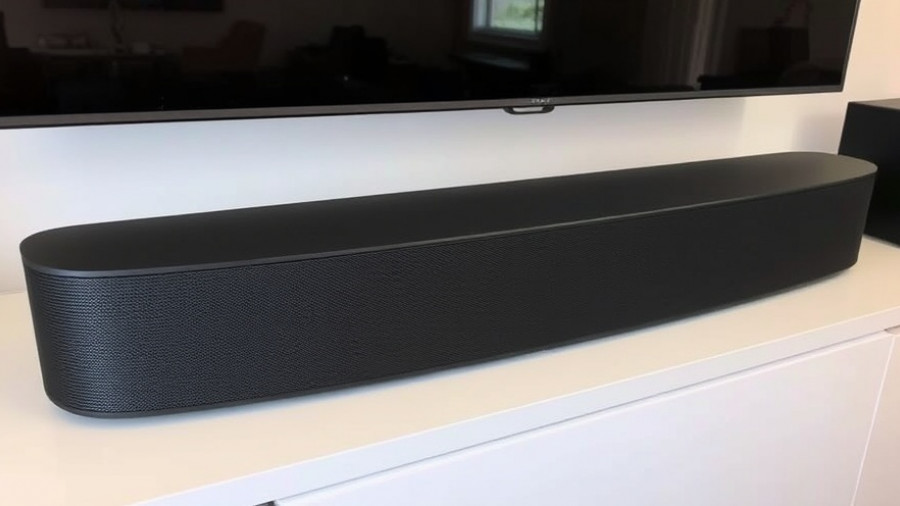
On the other hand, the Sonos Arc Ultra embraces a sleek and modern aesthetic, featuring a minimalist design that fits seamlessly into any contemporary home. With its subtle, understated design, it blends effortlessly with other home decor. The choice here depends on whether a bold visual statement or a refined, elegant look is more appealing to the buyer.

Sound Performance: Defining Your Audiophile Experience

While design might capture attention, it’s the sound performance that ultimately shapes the listening experience. The Sonos Arc Ultra stands out with its advanced Sound Motion technology, enhancing bass response and broadening soundstage depth, delivering a remarkable Dolby Atmos experience. Users often describe its sound as immersive, with clear dialogue and rich, engaging layers, making it ideal for movie nights and music alike.

In contrast, the Marshall Heston 120 seeks to combine style with substance. While it excels in dialogue clarity and offers a unique warmth to voices, it falls short in delivering a fully dynamic sound experience. Critics have noted that its Dolby Atmos implementation doesn’t create the expansive audio environment found in the Arc Ultra—rendering large-scale sound effects less impactful.

Features & Compatibility: Choosing Based on Needs

Connectivity and features play a crucial role in the soundbar decision-making process. Marshall’s offering provides extensive compatibility, with support for HDMI eARC, USB-C, and various audio streaming platforms, including Google Cast and Tidal Connect. This makes it a more versatile choice for those deeply integrated into different audio ecosystems.

In contrast, the Sonos Arc Ultra may lack some input options, such as dedicated HDMI ports, but shines in its ability to integrate seamlessly with other Sonos devices, creating an expansive wireless sound system. This is a major selling point for users wanting to build a complete home audio experience that transcends the limits of a standalone soundbar.

Brand Ecosystem: The Power of Integration

The brands themselves also dictate the soundbars' appeal. Sonos is renowned for its exceptional multi-room audio systems, allowing listeners to seamlessly stream music throughout their homes. If you are already invested in the Sonos ecosystem, integrating the Arc Ultra will feel intuitive and rewarding.

However, if you appreciate unique design and analog controls, the Marshall Heston 120 is likely to resonate more. It appeals not just for its sound, but also for creating an atmosphere that celebrates musical heritage and community. In today’s digital era, the physical connections to the music experience can feel refreshingly personal.

The Final Verdict: A Sound Decision Awaits You

Ultimately, the decision between the Sonos Arc Ultra and Marshall Heston 120 doesn't boil down to a clear-cut winner but rather what the consumer prioritizes in their sound system—audio quality, design, or compatibility. The Arc Ultra sets new benchmarks in immersive audio technology, appealing to audiophiles seeking superior quality. Meanwhile, the Heston 120 charms with its distinctive design and usability, delivering solid sound performance for those who appreciate a bit of rock heritage.

As the competition heats up in the premium soundbar market, evaluating personal preferences against these two excellent options will lead to a more informed, satisfying choice. Whether you prefer the rugged sophistication of Marshall or the refined efficiency of Sonos, high-quality sound is guaranteed in this thrilling audio showdown.

Smart Living

0 Comments

Write A Comment

*
*
Please complete the captcha to submit your comment.
Related Posts All Posts
06.10.2026

Don't Be Fooled by Powerful Claims: The Truth Behind Portable Chargers

Update Don't Be Fooled by Powerful Claims: The Truth Behind Portable ChargersToday’s tech landscape is laden with fantastic promises, especially when it comes to portable charging solutions. The recent case of a supposed ‘1,000W’ portable charger serves as a stark reminder to consumers: if it sounds too good to be true, it typically is. A detailed analysis of this product reveals not only its overblown capabilities but also the significant safety risks involved in such dubious technology.Unpacking the Myths: What We Thought We KnewWhen a charger boasts a stunning 1,000W power capacity—with multiple ports for charging different devices—it's tempting to think we’ve found a miracle solution for our power needs. The reality, as experienced firsthand by tech reviewer Adrian Kingsley-Hughes, is drastically different. Upon testing, the charger could barely deliver 60W from any port, further struggling under load and generating uncontrollable heat. Ultimately, it succumbed to failure in mere minutes, emitting what tech enthusiasts affectionately call 'magic smoke.'Identifying the Real Power PlayersMarket research often leads consumers toward reliable brands that truly deliver on their claims. Well-regarded options include the Anker Solix C1000 and the Jackery Explorer 2000 v2. Both of these power stations have undergone rigorous testing under real-world conditions, unlike the unreliable chargers that promise ludicrous numbers. The Anker Solix C1000, for instance, can handle moderate power needs and has a respectable price point. Jackery's offerings are similarly positioned, providing ample power and plan for near-future expansions.Safety Should Be Your PriorityOne of the most alarming aspects of the 1,000W charger’s failure was the evident lack of safety protocols in design and manufacturing. Its casing allowed easy access to high voltage internals, posing a significant hazard. When considering power stations, it is essential to prioritize safety certifications and design considerations that prevent overheating and ensure safe operation.The Bigger Picture: A Lesson for ConsumersThis situation underscores a broader consumer lesson: research and due diligence are vital. While cheap options may attract budget-conscious shoppers, it’s often prudent to invest in higher-quality devices with proven track records. Realizing that safety and reliability outweigh the allure of low price and flashy specs can save users from future failures and potential hazards.Final Thoughts: Choose Wisely for Peace of MindIn the rapidly evolving world of tech gadgets, consumers face a plethora of options—some reputable, others misleading. By choosing products from trustworthy brands that prioritize consumer safety and truthful marketing, consumers can secure the reliable power they need without risking their devices, wallets, or well-being. When shopping for a portable charger, remember, quality matters more than quantity.

06.09.2026

Unlocking the Future: Key Highlights from WWDC 2026 on iOS 27 and Siri Revamp

Update WWDC 2026: Apple's Unveiling of iOS 27 and Siri’s Evolution The anticipation surrounding Apple's Worldwide Developer Conference (WWDC) never fails to captivate tech enthusiasts and developers alike. This year’s conference, held from June 8 to June 12, offered a glimpse into the future of several Apple platforms with exciting updates announced for iOS 27, macOS 27, and a notable revamp of Siri. These enhancements not only promise improved usability but also underscore Apple's commitment to aligning with trends in artificial intelligence (AI) and user accessibility. Powering Up iOS 27: Focus on Stability and New Features iOS 27, alongside its counterpart iPadOS 27, marks a steady evolution rather than a complete overhaul. Many features are aimed at improving system stability and battery efficiency, reminiscent of the macOS Snow Leopard release. Enhanced customization options are on the docket, allowing users to easily revert changes made to their home screen layouts. This adjustment speaks volumes about user-centered design, making experimenting with layouts less daunting. Notable enhancements include a revamped Camera app which integrates a 'Siri Mode', aimed at making photographic assistance more intuitive. Users can expect a more accessible visual intelligence feature, echoing the rapid advancements in mobile photography thanks to AI. Furthermore, the Photos app will incorporate more intelligent capabilities, offering tools to enhance, reframe, and extend images, tapping into the growing demand for smarter mobile apps. Siri’s Long-Awaited Makeover and AI Integration After two years of anticipation, Siri's transformation is finally set to debut in iOS 27. This major overhaul seeks to place Siri in a more prominent position on devices, enabling a more interactive interface which will improve user experience. Drawing inspiration from successful chatbot frameworks, Siri is evolving from a basic command system into a more intelligent personal assistant capable of sophisticated conversation threads. This upgrade is not just cosmetic; with Apple's alignment of Siri to use AI technologies like Google Gemini, users can look forward to greater context awareness and a more nuanced understanding of commands. Furthermore, enhancements in AI will allow Siri to analyze multiple instructions within a single query, marking a significant leap towards more natural user interaction. Improvements Beyond Mobile: The Future of macOS and Beyond On the macOS front, expected updates are tethered closely to those seen in iOS, particularly improvements in Liquid Glass aesthetics and the user experience. Importantly, macOS 27 will phase out support for Intel Macs, emphasizing Apple’s shift towards its silicon architecture. This change may present developers with challenges, as applications designed for Intel will require updates to remain functional on future operating systems. Although hardware announcements seem unlikely due to a global chip shortage, the conference did highlight progress in software capabilities. Developers can expect tools for better integration of AI into their applications, creating a more cohesive ecosystem across devices. What Lies Ahead: Opportunities and Predictions As developers gear up for the release of the first iOS 27 and macOS 27 beta builds, the emphasis on AI-driven features presents an exciting opportunity for innovation in app development. Companies may begin to integrate AI capabilities that streamline user experience and enhance productivity. Moreover, Apple’s introduction of health-oriented features under Apple Health Plus demonstrates the company's commitment to expanding the health tech landscape, a sector that continues to grow rapidly. With the potential for third-party AI integrations, we may witness an unprecedented surge in creative applications tailored to improve user wellbeing. Taking Action: Join the Conversation The ongoing advancements in technology showcased at WWDC 2026 provide a unique opportunity for both developers and users to engage with the new features Apple is rolling out. Keeping abreast of these changes not only empowers you to make the most of your devices but also paves the way for better choices in tech utilization for everyday life. As we look forward to future updates, participating in discussions, forums, and developer sessions will ensure you stay at the forefront of these technological innovations.

06.08.2026

Create Smarter Home Warnings: Integrate CO Detectors with Home Assistant

Update Enhancing Safety: Integrating CO Detectors with Home AutomationIn a world increasingly reliant on smart technology, integrating a carbon monoxide (CO) detector with Home Assistant offers a powerful layer of safety for households. Carbon monoxide is a silent killer, and being alerted promptly can make the difference between life and death. By leveraging smart technology, individuals can receive immediate notifications to their smartphones or home hubs, ensuring they are aware of any potential dangers.The Importance of Smart AlertsTraditionally, CO detectors provided only occasional alarms, often overlooked or ignored. Smart integrations can send real-time alerts to users, enabling quick responses even if they are not at home. For example, if a CO leak is detected while you're at work, a smart notification could prompt you to warn anyone in the vicinity or call for immediate assistance, significantly reducing risks.How to Get Started with Home AssistantSetting up a CO detector integration with Home Assistant is simpler than you might think. First, ensure that your Home Assistant setup is up-to-date. Then, you can select from a variety of compatible CO detectors available on the market. Popular brands often support integration through APIs or Home Assistant's automated interface. Following installation, the integration involves a few configuration steps within the Home Assistant application. Comprehensive guides are available online to walk you through the process, making it accessible even for less tech-savvy users.Example CO Detectors for IntegrationThere are numerous CO detectors that pair well with Home Assistant, but let's highlight three noteworthy options:Nest Protect: This smart smoke and CO detector not only alerts users but also provides safety messages. Its easy integration with Home Assistant offers detailed data and notifications.First Alert Onelink: This device combines smoke and CO detection with smart home features. Users can easily set it up with Home Assistant for seamless alerts and monitoring.Kidde i9010: A cost-effective solution that pairs well with smart home systems, making it a great entry point for those starting out.Addressing Common ConcernsWhile the benefits of smart CO detection integrations are clear, there are concerns regarding reliability and battery maintenance. Users should ensure that detectors are regularly checked and maintained as per manufacturer guidelines. Smart systems help by reminding users when batteries are low or when it's time for routine checks, preventing negligence.Future Innovatives: What Lies AheadThe future of smart safety devices is promising, with advancements in AI and machine learning paving the way for even more sophisticated monitoring systems. Imagine a future where your smart home can not only alert you of CO levels but also adjust ventilation systems automatically or dispatch emergency services.Making Informed ChoicesAs we continue integrating technology into our lives, the significance of understanding how these devices work cannot be overlooked. Ensuring that your CO detector is part of an interactive system like Home Assistant paves the way for smarter living, where technology acts as a guardian of our safety. Engaging in forums or local tech meetups can provide valuable insights into optimal setups and user experiences, further enriching the family's safety.

Terms of Service

Privacy Policy

Core Modal Title

Sorry, no results found

You Might Find These Articles Interesting

T
Please Check Your Email
We Will Be Following Up Shortly
*
*
*