
Add Row
Add Element
Tech Life Journal
update
Tech Life Journal 
update
Add Element
  • Home
  • Categories
    • Innovation
    • Digital Tools
    • Smart Living
    • Health Tech
    • Gear Review
    • Digital Life
    • Tech Travel
    • Voices in Tech
  • Featured
April 08.2026
1 Minute Read

Struggling with residential solar installation? Here's the Fix

Adam Cooke’s Insider Guide to Residential Solar Installation in Connecticut

"One of the biggest misconceptions homeowners have is that they won’t save any money with residential solar installation. That’s simply not true." — Adam Cooke, Premier Improvements Solar

Connecticut residential solar installation; friendly installer with homeowners discussing solar panel system in a sunny, suburban neighborhood.

Why Understanding the Residential Solar Installation Process Is Critical Now

If you’re a Connecticut homeowner, there’s never been a more pressing time to demystify the residential solar installation process. As Adam Cooke of Premier Improvements Solar underscores, the industry is at a tipping point—federal and state incentives are robust now but fading soon. The much-talked-about 30 percent federal solar tax credit won't last forever. Understanding how installation works means uncovering opportunities for long-term savings and making proactive decisions that protect your energy future.

According to Adam Cooke, timing is everything: when you understand the process, you can capitalize on Connecticut solar incentives before they’re gone. Missing out could mean paying thousands more in just a year or two. Cooke’s expert advice directly addresses the anxiety many homeowners feel about “missing the boat. ” By grasping the installation sequence and available benefits, you become empowered rather than left behind.

"Timing is everything, especially because Connecticut homeowners have limited time to claim the 30 percent federal solar tax credit." — Adam Cooke

How Smart Planning Maximizes Solar Energy Benefits: A Real Homeowner’s Story

Real savings begin with strategic planning—and Adam Cooke has the evidence to prove it. He recounts a recent success story where a homeowner partnered with Premier Improvements Solar and experienced the transformative power of knowing the process. The homeowner needed a new roof, but instead of letting that complicate things, Cooke’s team provided a seamless, integrated solution: first, a new Owens Corning roof was installed. After a 30-day settling period, the solar panels followed, with the entire workflow—roofing, permitting, installation, and activation—completed in about three to four months.

This thoughtful sequencing eliminated delays and unexpected costs, a testament to why local expertise and comprehensive service matter. “Understanding the process” isn’t just about steps—it’s about peace of mind and maximizing financial returns. As Cooke emphasizes, when you know what to expect (and have experienced professionals guiding the way), you avoid pitfalls that cost time and money.

"We installed a new Owens Corning roof, let it settle for 30 days, then completed the solar installation—total process about 3-4 months before activation." — Adam Cooke
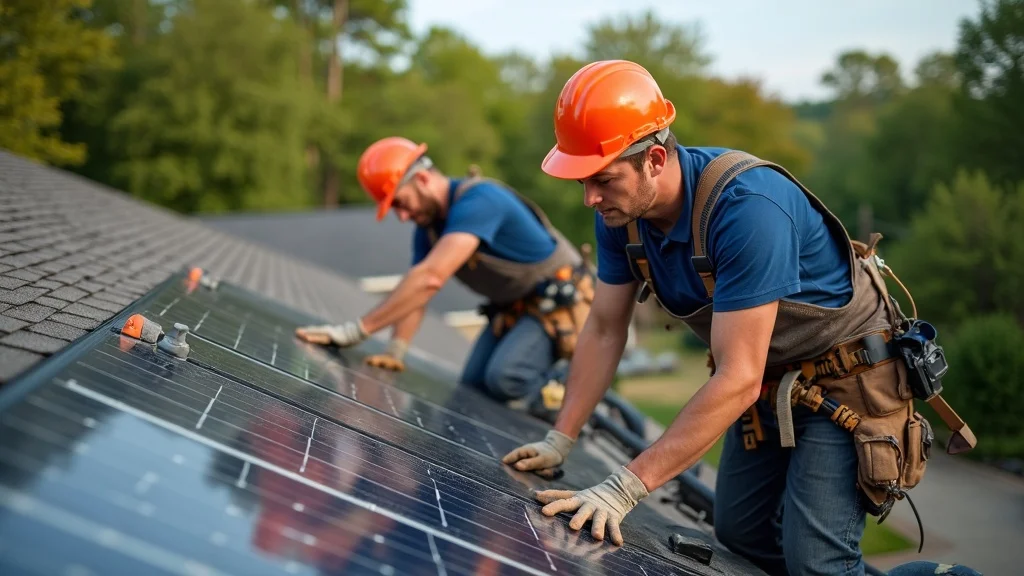
Team installing Owens Corning roof and solar panels as part of a Connecticut residential solar installation project.

Step-by-Step Breakdown of the Residential Solar Installation Journey

The journey to energy independence and lower electricity bills doesn’t need to be mysterious or overwhelming. According to Adam Cooke and the team at Premier Improvements Solar, residential solar installation in Connecticut follows a proven, streamlined pathway. Here’s what you can expect from the first call to final activation:

  • Initial free consultation and site evaluation
  • Custom solar system design with advanced software and satellite imaging
  • Roof assessment and, if needed, Owens Corning reroofing
  • Permitting and utility coordination handled by experts
  • Professional installation by certified specialists within 1-3 days
  • System activation and ongoing real-time performance monitoring

Each step is designed to eliminate obstacles and ensure your system performs at its peak. With Premier Improvements Solar, you don’t just get panels—you gain a partner who manages the complexities for you, from paperwork to performance guarantees.

Solar design team using advanced software to plan a residential solar installation in Connecticut.

Top Tips from Premier Improvements Solar for Connecticut Homeowners

As you consider transitioning your home to clean, renewable energy, Adam Cooke offers these essential tips for potential savings and smooth installation:

  • Stay local: choose trusted, veteran-owned installers familiar with Connecticut incentives
  • Get multiple quotes to ensure competitive pricing and service quality
  • Rely on installers with comprehensive roofing and solar expertise
  • Act now to maximize financial savings before tax credits expire

According to Cooke, these strategic moves can spell the difference between a frustrating, costly experience and a seamless transition to energy independence. Relying on a local expert means having someone who understands state-specific nuances and incentive programs—and who will be there to support you for years to come.

Common Misconceptions About Residential Solar Installation Debunked

The decision to pursue residential solar installation in Connecticut is often hampered by persistent myths. Adam Cooke sets the record straight, drawing on decades of experience:

  • Solar won’t save money – Reality: Federal and state incentives plus energy savings deliver strong returns
  • Installation takes forever – Reality: Complete installations often wrap up within a few months with proper planning
  • Roof replacement complicates things – Reality: Integrated solutions smoothly handle reroofing and solar installation sequences

According to Cooke, the notion that “solar doesn’t save money” is one of the most damaging misconceptions. In truth, Connecticut homeowners routinely see immediate and long-term reductions in their electricity bills, especially when taking advantage of incentives and strategic installation timing. With professional guidance, even complex projects (like those needing a new roof) are straightforward.

Connecticut homeowner reviewing energy savings from residential solar installation.

Why Premier Improvements Solar Is Connecticut’s Trusted Residential Solar Partner

Premier Improvements Solar stands apart through an unwavering commitment to excellence, community, and personalized service. Adam Cooke and his veteran-owned team have cultivated a reputation for award-winning projects, deep customer satisfaction, and ongoing support tailored to Connecticut’s unique market.

  1. Over 30 years of combined experience and award-winning service
  2. 5-star customer ratings reflecting deep client satisfaction
  3. Customized solar and battery storage solutions for energy independence
  4. Comprehensive 25-year warranties backing quality and durability
  5. Local support team ensuring ongoing system maintenance and communication

According to Cooke, the difference is clear: “Local expertise means knowing your roof, your incentives, and your needs—so you get the most efficient, reliable system available. ” Premier Improvements Solar delivers on every promise, with transparent communication and ongoing commitment that lasts long past the installation.
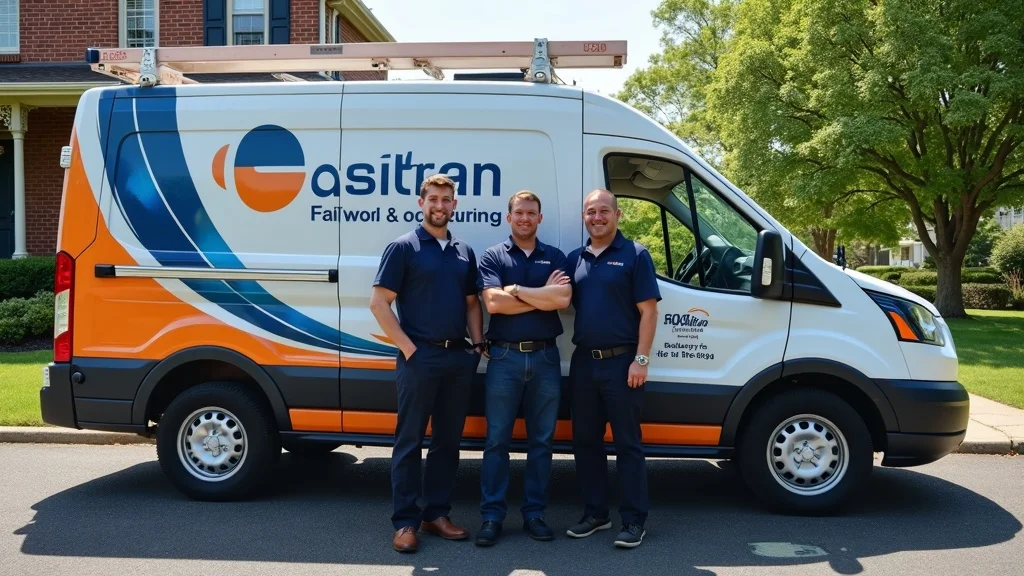
Veteran-owned solar team with branded van—experts in Connecticut residential solar installation and service.

How Connecticut Incentives Boost Solar Investment Value

The financial sustainability of residential solar installation in Connecticut hinges on leveraging all available state and federal incentives. Adam Cooke assures homeowners that, by acting now, these programs can unlock significant upfront savings and ongoing returns. Here’s a snapshot of the most valuable opportunities:

Incentive Benefit Coverage
30% Federal Tax Credit Direct reduction in installation cost Ends soon
CT Green Bank Financing Low-interest loans Up to 70% of project cost
Net Metering Credits for excess energy produced Ongoing savings
Battery Storage Rebates Discounts on Tesla Powerwall and others Significant cost reduction

According to Cooke, a well-timed installation pays back faster and continues to deliver value well after the credits phase out. By collaborating with a veteran-owned, locally trusted company, homeowners can ensure they navigate every nuance of available incentives.
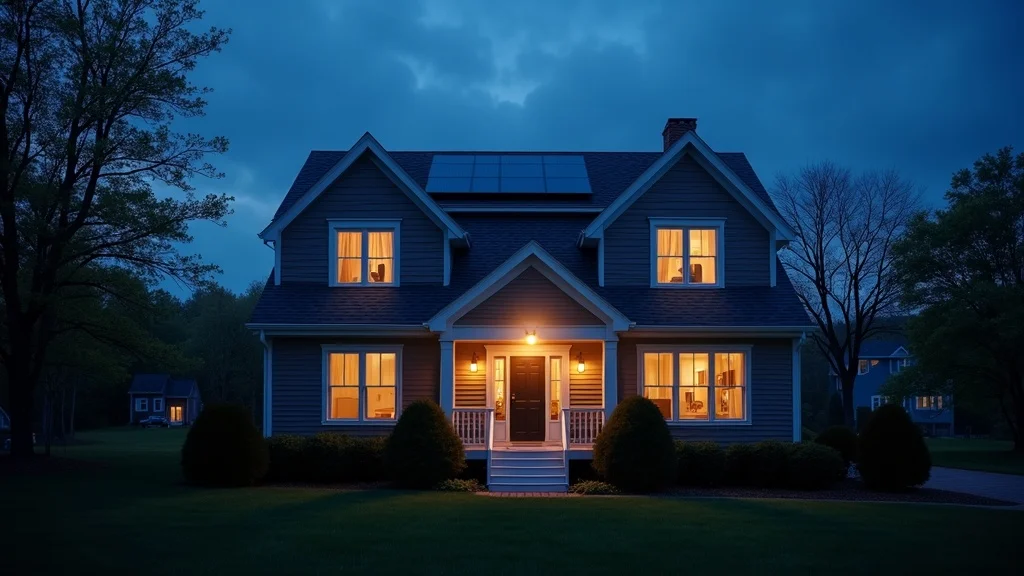
Energy-efficient Connecticut home with residential solar installation and visible battery backup at twilight.

Key Takeaway: Act Now to Maximize Savings and Energy Independence

"My advice to every homeowner is simple: stay local, get multiple quotes, and choose experienced installers to truly benefit from solar." — Adam Cooke

The Connecticut solar landscape is unique—and so is your home. Adam Cooke’s message is clear: now is the time for residential solar installation if you want to maximize your energy savings, secure 30% tax credits, and turn your home into a powerhouse of sustainability. With a trusted, local partner, the transition is seamless and built to last. Don’t let misconceptions or timing hold you back—take charge of your energy future and reap the rewards for decades to come.

Ready to Transform Your Home’s Energy Future with Residential Solar Installation?

Selected Call to Action

  • For more info, visit: https://www.premierimprovementsone.com/
  • Or Call: (860) 969-4006
Smart Living

0 Comments

Write A Comment

*
*
Please complete the captcha to submit your comment.
Related Posts All Posts
04.08.2026

Exploring the Limitations of Portable Wind Turbines: Why They’re Not Solar Replacements

Update Understanding Portable Wind Turbines in Today’s Renewable Landscape Over the past two years, my experience with the Shine Turbine has revealed both the promise and the limitations of portable wind energy solutions. The testing of such devices is crucial for those seeking renewable energy alternatives, especially when evaluating options like solar power. Unlike larger wind turbines, the compact Shine Turbine weighs around 3 pounds, making it a feasible choice for outdoor enthusiasts and solo adventurers. Yet, its power output of only 40W limits its abilities compared to larger systems. Wind vs. Solar: Key Differences to Consider While solar energy has been a widely adopted solution for sustainable power, the comparison with wind energy often highlights contrasting capabilities. Solar panels can generate electricity even on cloudy days, whereas the Shine Turbine requires consistent wind speeds of 18 mph or more to produce meaningful energy. This factor alone raises significant questions about the practicality of wind as a reliable source, particularly in areas with variable weather conditions. The Challenges of Setup and Usage Setting up the Shine Turbine involves assembling a tripod and guylines, a task that can be cumbersome, especially in windy conditions. Through my own modifications, I found ways to streamline the setup process, but the initial experience left room for improvement. This inconvenience is something potential users must weigh against the mobility benefits the turbine offers. The Reliability of Wind Energy Wind power, while effective, is not without drawbacks. It can be less accessible than solar energy, especially for residential users looking for on-demand electricity. Although some small wind turbines can fulfill residential needs, they generally do not compete well against solar panels for efficiency and practicality. The US Department of Energy suggests that while wind is a strong competitor for large-scale energy solutions, it may not suitable for every user in various contexts. Future Directions in Portable Wind Solutions Anticipating enhancements, Shine plans to release a new iteration of the turbine with improved output and additional features, like USB-C charging and Bluetooth monitoring capabilities. This progress suggests that the niche market for portable wind turbines may evolve, potentially providing more effective solutions for on-the-go power generation. As we look toward a future that embraces renewable energy, it is essential to explore all options available. My experience with the Shine Turbine has shown that while it maintains its utility as a backup for solar power—particularly in remote adventures—it cannot fully replace it for comprehensive off-grid needs. For campers, hikers, and those living in variable climate zones, balancing wind and solar energy solutions allows for a more resilient energy strategy. Conclusion: Embracing Renewable Energy Diversity As we navigate the changing landscape of renewable energy, both wind and solar resources will play essential roles in diversified energy strategies. While the Shine Turbine has proven effective in unique conditions, it is clear that solar panels will often outperform wind turbines in standard residential settings. In my journey through renewable energy options, the emphasis remains on understanding where each technology excels, adapting to the environment, and utilizing both wind and solar systems accordingly. Whether you’re an outdoor enthusiast or a homeowner, integrating these systems strategically can lead to a more sustainable future.

04.08.2026

Smoke Detector Installation: Avoid Deadly Mistakes Now

Unconventional Fact: According to the National Fire Protection Association (NFPA), three out of five home fire deaths occur in buildings without working smoke alarms. Proper smoke detector installation could mean the difference between life and tragedy. In this essential guide, you’ll learn how to protect your family and avoid the most common — and deadly — mistakes homeowners make when installing smoke alarms.What You'll Learn About Smoke Detector InstallationEssential steps for effective smoke detector installationCommon mistakes to avoid with smoke detector installationCurrent NFPA requirements for smoke alarms in homesExpert insights from licensed electrician Nathan TinerAnswering top questions related to smoke alarm and smoke detector installationThe Critical Importance of Proper Smoke Detector Installation"A single overlooked detail in your smoke detector installation can make the difference between safety and tragedy." – Nathan Tiner, ABR ElectricEnsuring correct smoke detector installation is not just a matter of compliance—it's a matter of protecting your home and family from potentially fatal fires. The NFPA continually shares that early warning is the biggest factor in survival during a home fire. Installing a functioning smoke alarm on every level of your home, inside and outside sleeping areas, drastically improves your chances in the event of smoke or fire. Too often, improper installation—placing detectors too close to the kitchen, missing required locations, or faulty wiring—leads to false alarms, missed warnings, or, worst of all, silence during an emergency.Compliance with up-to-date NFPA standards ensures your smoke detectors operate as a true life-saver rather than an afterthought. A properly installed smoke alarm detects smoke early, buying you and your family precious seconds to evacuate. Whether you’re installing a smoke detector for the first time or upgrading to smart interconnected alarms, taking every step seriously can mean the difference between minimal damage and a devastating loss. Missteps, like overlooking required locations or skipping battery checks, put your home and family at unnecessary risk.Why Every Home Needs Up-To-Code Smoke Alarm InstallationRole of smoke alarms in home fire safety: Smoke alarms are the first defense in fire safety, alerting occupants often before they see or smell smoke. They are especially vital overnight or in sleeping areas, keeping families safe while they rest.NFPA statistics on household fires and fatalities: The National Fire Protection Association documents that homes without properly installed smoke detectors face double, and sometimes triple, the fatality rates compared to those with up-to-code alarms. Early alarm systems provide critical warning.Recommended placement for maximum protection: For optimal fire protection, install a smoke alarm near every sleeping area, not directly in the kitchen but at least 10 feet away from cooking appliances to avoid false alarms. Place detectors on every level of your home for comprehensive coverage.Understanding Different Types of Smoke Detectors and AlarmsTypeBest ForPlacement TipIonizationFast-flaming firesHallways, living areasPhotoelectricSmoldering, smoky firesBedrooms, near kitchensDual-sensorComprehensive protectionWhole houseChoosing the right smoke alarm begins with understanding how different technologies respond to fire scenarios. Ionization alarms are faster at detecting flames, making them best for general living spaces. Photoelectric alarms are less likely to cause false alarms from cooking and excel in detecting smoky, slow-burning fires commonly found in bedrooms or near kitchens. Dual-sensor models offer complete coverage by combining both types, maximizing fire safety across all situations. Always match detector type and placement to your home layout to avoid missteps and optimize protection.Many modern homes now incorporate carbon monoxide alarms and smart technologies within their smoke alarm systems. Interconnected or wireless alarms ensure that when one detector sounds, all alarms alert the household, crucial for larger homes or when multiple levels are involved. These advanced systems help ensure you won't miss critical warnings even when you’re far from the initial source of danger, providing peace of mind that every room is protected.Choosing the Right Smoke Detector for Home and FamilyEvaluate risks and choose based on home layout: Homes with open layouts or multiple levels benefit from interconnected systems. Identify rooms that may benefit from extra fire protection—such as nurseries, workshops, and finished basements—and select appropriate smoke detector models for each.When to install a smoke alarm with CO detection: If your home has fuel-burning appliances, fireplaces, or attached garages, select a smoke and carbon monoxide alarm for added protection against multiple hazards at once.Latest smart and interconnected smoke alarms: Smart alarms offer features like mobile notifications, voice alerts, and automatic testing. These innovations make it easier for families to monitor their fire safety landscape and ensure that maintenance, like battery replacement, is never overlooked.Where and How to Install a Smoke Detector: Step-by-Step GuideEffective smoke detector installation starts with proper planning. Believe it or not, a poorly positioned detector can lead to false alarms, missed warnings, or violations of local fire code. It’s not only about having a smoke alarm but also making sure it is at the right spot and installed according to the latest NFPA guidelines. Let’s explore a professional’s approach to both placement and step-by-step methods.According to Nathan Tiner, “When you install a smoke detector according to NFPA specifications, you give your family the precious seconds needed to escape. ” Start by reading manufacturer instructions—different types of smoke alarms may have slightly different requirements. Next, plan for installation: have your drill bit, screws, a power source (for hardwired models), and a sturdy ladder ready. Never mount smoke detectors in drafty areas or within a remodeling box that restricts airflow. Adhering to these critical installation details helps ensure your alarms operate flawlessly when every second counts.Key Placement Rules for Smoke Detector InstallationInstall each smoke detector at least 10 ft from kitchen appliances (NFPA guideline).Mount smoke detectors on the ceiling, at least 4 inches from walls and corners.Avoid installing near ducts, vents, or ceiling fans to reduce false alarms and false negatives.Place smoke alarm units inside and outside sleeping areas and on every home level."Installing a smoke detector within NFPA specifications gives your family the precious seconds needed to escape." – Nathan Tiner, ABR ElectricPlacement is key—smoke rises, and detectors should be installed at the highest point in a room, away from corners or obstructions. Regularly check that each device is working by pressing the test button and completing annual maintenance. Avoid placing smoke alarms directly in kitchens or bathrooms, as steam or cooking smoke may result in annoying false alarms. Instead, select nearby spots that balance safety with reliability, minimizing disruption to daily life while maximizing protection.Do-It-Yourself or Hire a Pro for Smoke Detector Installation?Basic battery-powered vs wired smoke detector installation: Installing a battery-powered smoke alarm typically requires only minimal tools and a few minutes. However, hardwired smoke detector installation may demand knowledge of electrical systems, proper connections to a remodeling box, and code-compliant wiring for interconnected alarms.When to consult a professional electrician: If you are adding new wired alarms, replacing outdated systems, or seeking to interconnect multiple detectors, it’s best to hire a licensed electrician. Mistakes—like loose wiring, misaligned screw holes, or improper placement—can render even the best smoke detector useless.Common installation errors homeowners make: Placing detectors too close to vents, installing units upside down, ignoring regular battery or power checks, or skipping critical locations inside and outside every sleeping area are all frequent and potentially dangerous errors.While confident DIYers may tackle battery-operated smoke alarm installation on their own, always consider professional help when dealing with your home’s electrical system. An electrician ensures not only compliance with city code and the National Fire Protection Association rules but also tests all alarms for function and network connectivity during installation. Avoid costly mistakes and extra false alarms that undermine fire safety by getting help where it matters most.Tour of optimal and suboptimal placements in real homesIllustration of correct distances from kitchen, doors, and ductsPractical tips on installation best practicesPeople Also Ask: All About Smoke Detector InstallationHow much does it cost to put in a smoke detector?Answer: The cost of installing a smoke detector depends on the type chosen, whether it's battery-operated or hardwired, and if a professional electrician is needed. Factors such as device quality, complexity of the installation, and the total number of alarms to be placed will all influence your final investment. Keep in mind that investing in the right installation protects lives and is always worth it.Do you need an electrician to install a new smoke detector?Answer: For battery-powered smoke alarms, most homeowners can install these units themselves by following the manufacturer’s guidelines. However, installation of hardwired smoke detectors or interconnected systems is best left to a licensed electrician, who will ensure safe wiring and compliance with local, state, and NFPA code.Does Cove have smoke detectors?Answer: Yes, Cove offers smoke detectors as part of their smart home security solutions, integrating fire and smoke alarm safety with advanced monitoring technology for a safer, smarter home environment.How much would an electrician charge to install a smoke alarm?Answer: Fees vary by electrician and depend on labor costs, difficulty working with existing wiring, and property layout. Additional factors include the number and types of detectors installed and the ease of access to installation areas. Always request an estimate before proceeding.Frequently Asked Questions About Smoke Detector InstallationHow often should smoke alarms be replaced?Every smoke alarm should be replaced at least every ten years or as recommended by the manufacturer to ensure proper fire safety and reliability.What maintenance is required for smoke detectors?Test every unit monthly, replace batteries annually (if not hardwired with backup), and keep each smoke detector clean and free from obstructions to avoid false alarms and missed warnings.Can smoke alarms be interconnected wirelessly?Yes, many modern systems offer wireless interconnection, allowing all alarms to sound together without complex wiring throughout the home, greatly enhancing safety and ease of installation.Where should smoke detectors be avoided?Avoid placing smoke detectors directly in kitchens, bathrooms, garages, or too close to vents/fans to minimize false alarms and maximize true fire detection capability.Are smoke detector laws the same in every state?No, while most states follow close variations of the NFPA and national fire protection guidelines, local regulations may vary, especially regarding detector type and placement requirements; always consult your local fire code.Video Guide: Live Smoke Detector Installation and Troubleshooting TipsDemonstration of smoke alarm testing proceduresVisual checklist for installing smoke alarms outside sleeping areasResolving common issues and installation mistakes with easy troubleshooting tipsWatch a live demonstration as Nathan Tiner shows you how to test your smoke detectors, what steps to follow for reliable installation outside sleeping areas, and how to avoid or quickly fix common installation mistakes. Simple routines—like pressing the test button and visually checking for obstructions, battery placement, or improper wiring—can prevent false alarms and ensure your smoke detectors function properly, giving you reliable fire protection year after year.It’s also important to review the entire smoke alarm system after installation: make sure all alarms work, use a smoke test spray if recommended by the manufacturer, and keep a regular maintenance log so you know when to replace batteries or units. With careful smoke detector installation and ongoing attention, the risk of accidental silence or false alarms can be drastically minimized, making your home a safer place for everyone.Key Takeaways for Safe and Effective Smoke Detector InstallationProper smoke detector installation is critical to home and family safetyFollow current NFPA recommendations for placement and typeConsider professional installation for wired or interconnected alarmsRegular maintenance and testing extend the life and effectiveness of each smoke alarmEnsure Your Family’s Safety—Schedule a Professional Smoke Detector Installation TodayTake the next step for your family’s safety. Secure peace of mind by ensuring every smoke detector in your home is installed and maintained to professional standards. Trust experienced electricians like Nathan Tiner, and keep your loved ones protected from the unexpected.

04.07.2026

LG G6 vs Samsung S95H: Which 2026 OLED TV Should You Choose?

Update LG G6 vs. Samsung S95H: A Showdown of Cutting-Edge OLED Technology In the rapidly evolving world of television technology, the LG G6 and Samsung S95H OLED TVs stand out as two formidable contenders in 2026. Both devices offer exceptional picture and sound quality, but understanding the nuances can help consumers make a more informed choice. This article delves into their features, performance, and much more to help you determine the best OLED TV for your needs. Exceptional Display Technologies Both the LG G6 and Samsung S95H utilize advanced OLED technology, but they exhibit different strengths. The LG G6 leverages a tandem OLED display, promising enhanced brightness and better color accuracy while reducing glare. This makes it particularly suited for bright rooms and diverse viewing angles, catering to audiences who enjoy vivid and detailed visuals without compromise. On the other hand, the Samsung S95H showcases its unique QD-OLED panel. With Pantone validation, this TV offers unparalleled color accuracy, making it an excellent choice for content creators and enthusiasts who prioritize visual fidelity. The combination of these technologies sets both televisions apart in an increasingly competitive market. Features Tailored for Enthusiasts Sports lovers and gamers may find specific features of the LG G6 and Samsung S95H significantly enhance their viewing experience. The LG G6 is equipped with a Dynamic Sports mode that allows users to access game stats and scores without interrupting their viewing, making it a fantastic choice for those who like to keep tabs on multiple games simultaneously. Conversely, the Samsung S95H enhances the gaming experience with its premium gaming capabilities, supporting Nvidia G-Sync and AMD FreeSync Premium Pro technologies. This ensures a smoother gameplay experience, vital for serious gamers who demand quick response times and high refresh rates—up to 165Hz, similar to its LG counterpart. Sound Design: Choosing Your Audio Experience The audio quality of a TV can significantly affect overall enjoyment. The LG G6 includes Dolby Atmos, delivering a surround sound experience perfect for movies and live events. If you're a cinephile, this feature allows for immersive viewing that can rival the theater experience. For those who value sound that tracks the action onscreen, the Samsung S95H incorporates Object Tracking Sound+, dynamically adjusting audio based on where action occurs in the scene. This innovative feature, coupled with Samsung's Active Voice Amplifier, actively enhances dialogue, making it perfect for those who enjoy an engaging narrative without missing any crucial lines. Sustainability: A Modern Consideration In today's tech landscape, eco-friendliness is more relevant than ever. The Samsung S95H shines in this regard with its solar-powered remote, demonstrating a commitment to reducing reliance on non-recyclable materials. In contrast, while the LG G6 does not feature a solar remote, it provides various energy-efficient settings that help reduce power consumption during use. Pricing and Availability: Making the Financial Leap Price tends to be a critical factor in choosing a high-end OLED TV. Both models fall within a similar price range, starting at approximately $2,499 for the Samsung S95H and $2,599 for the LG G6. Given the comparable features, potential buyers must factor in aspects like design preference and specific use cases—whether it’s for gaming or immersive sports watching. Conclusion: Which is Right for You? Choosing between the LG G6 and Samsung S95H ultimately hinges on personal priorities. If you desire elegant aesthetics and superior AI integration, the LG G6 makes a strong case. However, if your focus is on immersive audio and gaming capabilities, the Samsung S95H may just win your heart. For consumers aiming to invest in a premium OLED television, either option promises a bright future filled with exceptional viewing experiences. Consider your viewing habits and the features that matter most to you before making a decision; both TVs are monumental in pushing the boundaries of home entertainment.

Terms of Service

Privacy Policy

Core Modal Title

Sorry, no results found

You Might Find These Articles Interesting

T
Please Check Your Email
We Will Be Following Up Shortly
*
*
*
