


In today’s rapidly shifting automotive landscape, adapting your used car inventory strategy market events is not just a smart choice but an essential survival skill. Market events like the UAW strike and post-COVID shifts have dramatically altered how dealers approach inventory management. This article explores these challenges and reveals how dealerships can leverage real-time data and advanced analytics to maintain profitability and competitive advantage.
According to John Ellis of Agile Auto Inc. , relying purely on past sales pace for inventory decisions can leave dealers “too late” in responding to volatile market dynamics, risking overstock or missed sales. Here, you’ll gain actionable insights on optimizing inventory strategy amid market disruptions and discover best practices that transform your dealership’s bottom line.
Understanding Used Car Inventory Strategy Market Events
- Definition of used car inventory strategy: the planning and execution of buying, holding, and selling used vehicle stock to meet customer demand and maximize profitability.
- Overview of market events affecting inventory: major occurrences such as strikes, pandemics, and economic shifts that influence supply, demand, and pricing.
- Importance of adaptive inventory management: flexibility and real-time responsiveness to market changes ensure balanced stock levels and reduced financial risk.

The concept of a used car inventory strategy hinges on forecasting and responding to both predictable and unexpected market events. Dealers who fail to adapt their acquisition rates and inventory mix based on evolving conditions risk financial losses or stagnant stock. For instance, fluctuations caused by labor strikes or supply chain disruptions can swiftly alter consumer demand patterns. Consequently, adaptive inventory management means continuously analyzing market signals and adjusting buying decisions accordingly.
John Ellis from Agile Auto Inc. emphasizes that the traditional model of buying inventory strictly based on the pace of past sales no longer holds up. “The hypersensitivity of the post-COVID market,” he explains, “requires tools and intelligence that offer a weighted sales forecast extending beyond the current month, enabling dealers to stay ahead, neither overbuying nor falling short. ” This adaptive mindset is the foundation for effective inventory strategy in today’s dynamic market environment.
Common Misconceptions in Used Car Inventory Strategy Market Events
“Most dealers buy inventory based on past sales pace, which in the post-COVID market is often too late,” explains John Ellis, of Agile Auto.
- Buying inventory strictly based on last month’s sales: This overlooks fast-changing market conditions and forecasted demand fluctuations.
- Ignoring forecasted market changes: Dealers frequently fail to incorporate weighted sales predictions and seasonal trends into purchasing decisions.
- Overreliance on gut feeling instead of data: Relying on intuition or recent sales anecdotes can result in suboptimal inventory that does not align with customer demand.
Why Traditional Inventory Management Falls Short
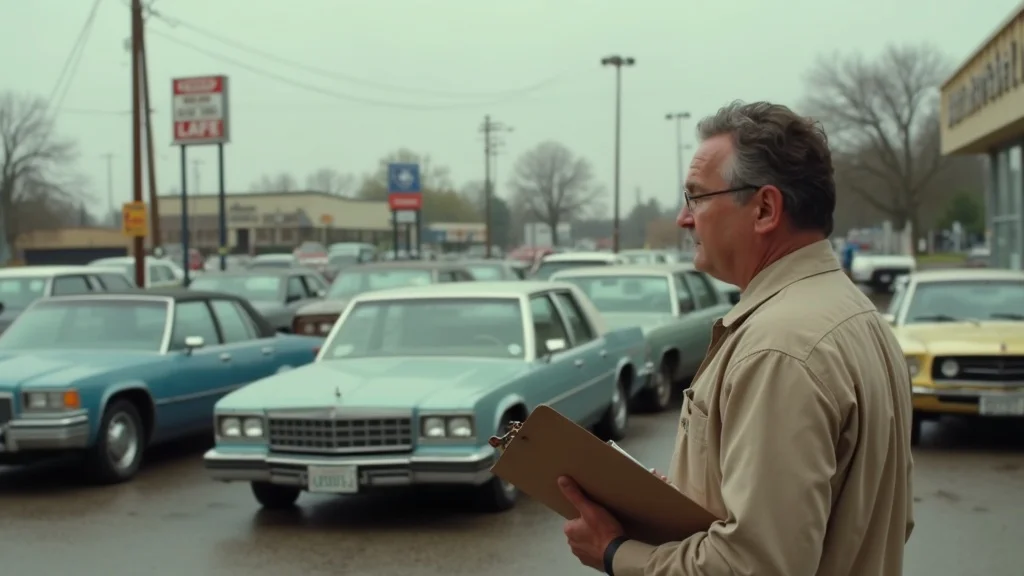
Traditional used car inventory management often reacts to sales history and intuition rather than anticipating future demand. This reactive approach leaves dealers vulnerable during market disruptions. For example, John Ellis describes how many dealers simply restock based on how many vehicles sold last month, without accounting for upcoming market signals.
This strategy can cause dealers to either understock — leading to lost sales opportunities and dissatisfied customers — or overstock, resulting in costly holding expenses and markdowns. "In the post-COVID era, such methods fail to provide the agility needed to thrive," Ellis notes. Inventory must be managed with foresight and data-backed decisions to avoid these pitfalls.
The Role of Real-Time Data in Modern Inventory Strategy
Modern inventory management integrates real-time sales data, market trends, and predictive analytics to enable proactive decision-making. Rather than waiting until stock hits a critical low, dealerships can monitor ongoing sales performance and regional demand fluctuations daily.
John Ellis highlights the advantage of leveraging such data: “Using Agile Auto’s platform, dealers get access to weighted sales forecasts and can adjust buying cadence accordingly — buying incrementally like a tortoise rather than racing like a hare. ” This steady, informed acquisition strategy prevents costly inventory gluts or shortages and optimizes working capital.
How Market Events Influence Car Inventory and Acquisition Strategy
- Impact of the UAW strike on used car acquisitions: Surge in used car buying to compensate for new car production delays, followed by rapid market correction.
- Post-COVID market volatility and inventory challenges: Erratic consumer behavior and supply chain disruptions created unpredictable demand patterns.
- Seasonality and regional demand fluctuations: Inventory needs vary with time of year and local market preferences, requiring tailored strategies.
John Ellis highlights, “During the UAW strike, many dealers overbought used inventory, which cost them heavily when the market shifted quickly.”
Balancing Inventory to Avoid Overleveraging
Market events like the UAW strike illustrate the critical need for balancing inventory levels. Many dealers reacted to new car shortages by aggressively acquiring used cars, hoping to capitalize on demand. However, when production resumed sooner than expected, this overpurchase left them with excess stock and increased carrying costs.
To avoid such pitfalls, dealers must maintain a balanced approach that safeguards against market swings. Optimal inventory is neither too lean nor too bloated, ensuring profitability while maintaining customer satisfaction.
Using Weighted Sales Forecasts for Smarter Buying Decisions

Weighted sales forecasting involves projecting inventory needs based not just on historical sales but incorporating current market conditions, seasonal trends, and predictive analytics. This method allows dealerships to anticipate demand and adjust inventory purchases accordingly.
John Ellis explains the power of this approach: “Using continuous weighted forecasts lets dealers avoid last-minute rush buys or costly overstock. It aligns acquisition cadence precisely with anticipated sales volumes, smoothing inventory flow and improving profit margins. ”
Leveraging Machine Learning to Enhance Used Car Inventory Strategy Market Events
- Predictive analytics for acquisition strategy: Machine learning algorithms predict future vehicle demand based on sales patterns, seasonality, and market indicators.
- Identifying hidden value in inventory: AI uncovers overlooked vehicle types or price segments that deliver strong sales performance.
- Optimizing pricing strategy based on market data: Dynamic pricing models adjust vehicle prices in real time to maximize turnover and profitability.
“Tools like Agile Auto use AI and patented algorithms to process data 24/7, presenting actionable insights to dealers,” says John Ellis.
Case Study: Increasing Profitability Through Data-Driven Acquisition

A large dealer group leveraging Agile Auto’s inventory analytics discovered a lucrative opportunity overlooked by conventional wisdom. Traditionally focused on vehicles priced under $20,000, the data revealed demand existed for slightly higher-priced models.
By targeting these vehicles sourced through exclusive channels, the dealership boosted front gross profitability while minimizing costly post-sale feedback and vehicle returns. This example demonstrates how machine learning can uncover hidden value and tailor acquisitions to a store’s unique market niche.
Integrating Private Party Acquisition and Turn Rate Optimization

Another important dimension of modern used car inventory strategy is integrating private party acquisitions with turn rate optimization. Private party vehicles, often competitively priced and unique, complement traditional inventory sources.
Agile Auto’s data-driven approach helps dealers determine when to incorporate private party vehicles into their inventory to improve turnover rates, reduce aging stock, and better meet customer demand. This integration enhances the overall acquisition strategy and supports sustained profitability.
Best Practices for Implementing an Effective Used Car Inventory Strategy Market Events
- Assess current inventory needs based on forecasted demand.
- Adopt a steady, consistent acquisition cadence aligned with weighted sales forecasts.
- Focus on high-demand vehicles tailored to your unique customer base and market.
- Utilize real-time data and AI-driven tools such as Agile Auto for informed decision-making.
- Continuously monitor market events, including strikes, economic shifts, and seasonality, and adjust strategy accordingly.
Common Mistakes and How to Avoid Them in Inventory Management
- Overbuying during market spikes without validating with predictive forecasts.
- Ignoring seasonal trends and regional market differences leading to misaligned inventory.
- Relying solely on historical sales data without incorporating real-time market intelligence.
People Also Ask
How much does a car salesman make off a $20,000 car?
Car salesman commissions vary widely but typically range from a few hundred to over a thousand dollars per sale depending on dealership policies, profit margins, and sales volume.
What should you never reveal to the dealer when negotiating?
Buyers should avoid revealing their maximum budget or trade-in details too early to maintain leverage during price negotiations.
What is the average inventory turnover for a used car dealership?
Inventory turnover rates vary, but a typical used car dealership aims for a turn rate of 8 to 12 times per year to ensure profitability without excessive stock aging.
What are the key trends in the used car market?
Current trends include increased demand for affordable vehicles, ongoing supply chain disruptions, growing adoption of data analytics for inventory optimization, and fluctuating consumer behavior due to economic conditions.
Summary of Key Takeaways
- Effective used car inventory strategy requires adapting swiftly to market events using real-time data.
- Machine learning and AI tools provide predictive insights that outperform traditional methods and support sustainable growth.
- A balanced acquisition cadence focused on high-demand inventory reduces financial risks and enhances profitability.
- Avoid common pitfalls by incorporating forecasted sales trends and market intelligence into every inventory decision.
Conclusion
Navigating the complexities of used car inventory strategy market events demands a data-driven, agile approach. As John Ellis of Agile Auto Inc. emphasizes, leveraging real-time insights and predictive analytics empowers dealerships to maintain optimal inventory levels, maximize profitability, and stay competitive in an ever-changing market.
For more information, visit: www. agileauto. io


Write A Comment