
Tech Life Journal
update
Tech Life Journal 
update
  • Home
  • Categories
    • Innovation
    • Digital Tools
    • Smart Living
    • Health Tech
    • Gear Review
    • Digital Life
    • Tech Travel
    • Voices in Tech
  • Featured
October 13.2025
3 Minutes Read

The iPhone 17's Center Stage Camera: A Selfie Revolution You Can't Miss

Not enough people are talking about the iPhone 17's best feature upgrade in years

The Revolutionary Selfie Features of the iPhone 17: A Game Changer in Mobile Photography

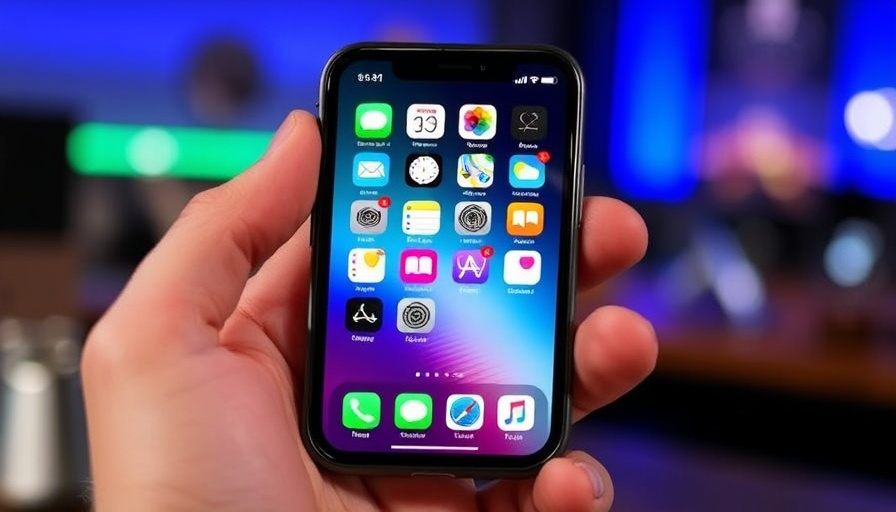
Apple has been known for its commitment to innovation, and the launch of the iPhone 17 has brought yet another wave of excitement to mobile technology enthusiasts. Among a plethora of upgrades, one feature stands out that may not receive the spotlight it deserves: the new Center Stage front camera. With its 18MP resolution and a thoughtfully designed square sensor, this upgrade looks to redefine mobile photography for everyday users.

Understanding Center Stage and Its Unique Benefits

The Center Stage feature is not just about a bump in megapixels. It's primarily about enhancing the user experience. Unlike traditional front cameras, which require a fixed frame, Apple's Center Stage automatically adjusts the shot based on the number of people in the frame. This means that during a video call—whether on Zoom or FaceTime—the camera smoothly shifts its focus and zoom to keep everyone perfectly framed. This utility transforms typical video calls into engaging conversations where participants can move freely.

A New Standard for Selfies and Videos

The iPhone 17 models incorporate ultra-stabilized video shooting that promises clearer, jitter-free recordings. For those who struggle with stabilization when filming, such as individuals with conditions that induce shaky hands, this upgrade can significantly enhance the quality of their content. Many users have expressed a newfound confidence in capturing videos, knowing they won't lose the moment due to technical setbacks.

Broader Implications for Mobile Photography

What makes the upgrades even more intriguing is their accessibility across all iPhone 17 models, including the more affordable iPhone Air. This democratization of advanced photography features could shift the photography market as competitors may feel compelled to match Apple's innovations. As seen in the past, features introduced by Apple often set industry standards, and the Center Stage functionality showcases how technology can make everyday activities like taking selfies less cumbersome and more enjoyable.

The Evolution of Mobile Selfies: From Ordinary to Extraordinary

Ever since its inception, the selfie culture has exploded, and smartphones have been at the forefront of this trend. With the iPhone 17's capabilities, the standard of what can be achieved with a smartphone's front camera has drastically changed. Innovations like the wider lens, improved framing flexibility, and user-friendly features position the iPhone 17 as a go-to gadget for those looking to elevate their selfie game.

What Do Users Think?

User feedback regarding the new selfie features has been largely positive. Many have noted that the intuitive adjustments made by the Center Stage technology allow them to truly be present, capturing moments without the distractions of adjusting their camera manually. This automatic framing works seamlessly, permitting users to focus on creating genuine memories rather than struggling with their device’s settings.

The Future of Mobile Photography

As Apple sets a new bar for selfie and video capabilities, it invites discussions about the future direction of mobile photography. Features such as Center Stage may influence the design and capabilities of upcoming devices, compelling other manufacturers to innovate in ways that enhance user interaction and convenience. There is no doubt that the iPhone 17 has significantly influenced how consumers approach photography through their smartphones.

The advancements in the iPhone 17's front camera technology are worth discussing not just among tech pundits but also for casual users. As these improvements highlight the importance of quality-of-life features in technology, understanding and embracing them can truly transform our daily lives. So, whether you're a videographer, a selfie enthusiast, or someone who simply enjoys capturing memories, the iPhone 17’s new camera features could be exactly what you need to enhance your mobile experience.

If you're considering upgrading or simply wish to get the most out of your smartphone photography, it's worth exploring these features in-depth because a well-rounded understanding can lead to capturing those candid, memorable moments effortlessly.

Smart Living

0 Comments

Write A Comment

*
*
Please complete the captcha to submit your comment.
Related Posts All Posts
06.06.2026

Why the Apple Watch Desperately Needs a New Siri to Thrive

Update Why Siri Needs an Upgrade for the Apple Watch As the tech landscape evolves, so too must the tools we rely on for our health and wellness. The Apple Watch, a leading smartwatch in a saturated market, desperately needs a better Siri more than ever. As we look toward the anticipated updates from Apple, analysts and health tech enthusiasts are hopeful for a significant overhaul of the Siri assistant specifically for health functionality that could be launched alongside the latest hardware. The driving force behind this hopeful change? Apple's partnership with Google, which promises to infuse Siri with new capabilities powered by Google's Gemini AI. The Partnership with Google: A New Horizon for Health Tech Historically, Apple has kept its proprietary software tightly integrated within its ecosystem. However, in the competitive atmosphere of 2026, the company is realizing it can no longer afford to stand alone. Apple's collaboration with Google aims to refresh not just Siri, but also the overall health suite integrated into the Apple Watch. From Apple's perspective, this partnership isn't merely about enhancing voice recognition. According to reports, the collaboration could facilitate the introduction of a powerful AI health coach that learns from user data, providing tailored insights into individual wellness journeys. Imagine asking Siri health-related questions and receiving personalized responses that consider your unique activity levels, sleeping patterns, and stress data—a game-changer for health management. The Evolution of Health Monitoring: What Users Can Expect As part of this exciting new direction, Apple is expected to revamp its Health app to be more interactive and user-friendly, possibly integrating features found in competitors' offerings, such as those from Fitbit and Whoop. The introduction of health chatbots powered by Google’s Gemini could enable seamless connections between the Health app, Journal, and Fitness apps. This means users could log data directly with Siri's help, transforming daily health monitoring from a tedious task into an effortless experience. One striking possibility includes offering mood tracking alongside physical statistics, creating a more comprehensive overview of health. For instance, if a user logs their mood in the Journal, the AI could connect it to relevant physiological data such as heart rate and activity levels, giving users clearer insights into how their emotions affect their physical health. Privacy Challenges: Balancing Data with Security However, the integration of AI technology into Apple's health suite does pose concerns—chiefly around privacy. Apple built its reputation on user privacy and data security, and any collaboration with Google carries inherent risks. Creating a functional AI health assistant will require careful consideration to ensure that Apple maintains its high standards of privacy. Developers and analysts alike are eager to see how Apple navigates these challenges during the rollout of these features. It's pivotal that users remain assured that their sensitive health data is not compromised in the name of enhanced functionality. A New Era in Health Tech: Future Predictions Moving forward, analysts predict that the integration of AI into Apple's health ecosystem will revolutionize how users interact with technology for their well-being. Siri may soon be more than just a voice assistant—envision it as your personal wellness coach, guiding you through workouts, providing real-time feedback, and even suggesting dietary changes based on trends gleaned from decades’ worth of health data. With the wearables market projected to grow exponentially, Apple must capitalize on its strengths to stay competitive. The anticipated AI health coach, powered by Gemini, could position Apple significantly ahead of its rivals, enticing new users to its platform. As its health suite expands in capabilities, the Apple Watch could emerge as an indispensable tool in health management. Conclusion: The Imperative for Innovation With updates expected to drop soon from Apple, fans and health technology enthusiasts wait anxiously for the official announcements. If Apple delivers on its promises of a reinvented Siri that aligns with users' health needs, it could usher in a new era of intelligent wearables that prioritize personalized wellness. As technology and healthcare continue to intersect, the ways in which we leverage devices like the Apple Watch will redefine our approach to health in profound ways.

06.05.2026

Unlocking AI's Potential: Building Your Free PDF Editor with ChatGPT and Python

Update Harnessing AI for Practical Solutions In today’s fast-paced world, technology is redefining how we handle even the most mundane tasks. When Denise, a choir singer, was faced with the challenge of manipulating sheet music printed on yellow paper, she turned to available technology for help. Instead of letting AI directly handle her important files, she intelligently opted to have an AI language model, like ChatGPT, assist her in developing a tool, ensuring accuracy and reliability. The Power of Python in PDF Manipulation David Gewirtz recounted his experience of using Python to create a custom PDF editor tailored to his wife’s requirements. Python, celebrated for its user-friendliness and extensive libraries, offers a robust platform to accomplish image transformations without compromising the integrity of the original files. By leveraging Python, Gewirtz crafted a command-line script that prevented AI-induced alterations, ensuring that Denise received a predictable, high-quality output of her sheet music. Why Non-Determinism in AI Raises Concerns One of the pivotal points in Gewirtz's story is the concept of non-determinism in AI. Unlike traditional programming which yields consistent results given the same input, AI systems, including ChatGPT, are inherently probabilistic. Each interaction may produce a different result, a fact that poses significant frustration and risk when working with sensitive or crucial data like music notations. This uncertainty prompted Gewirtz to develop a tool rather than rely on AI directly. Empowering Through Custom Solutions Creating bespoke software through AI assistance not only provides peace of mind but also empowers users with tailored solutions. Given the context of Denise’s needs, Gewirtz's approach serves as a powerful example of pairing user insight with technology. It illustrates the transformative potential of coding and how traditional programming skills are more relevant today than ever. Future Implications: AI as a Collaborative Tool Looking ahead, the developments in tools like Python alongside intelligent assistants such as ChatGPT point towards a future where users will increasingly blend human expertise with AI capabilities. This collaboration can lead to innovative solutions, but users must remain vigilant to ensure they maintain control over the final outputs of their projects. Getting Started: Practical Insights for Everyday Users For those unfamiliar with coding, getting started might feel intimidating, but there are numerous resources available that can help. Learning platforms like Python’s official documentation or interactive coding websites offer beginner-friendly pathways. With practice, anyone can harness the power of programming to create customized solutions that cater to their specific needs. Take Control of Your Technology Whether you’re a busy parent, a professional, or a student, learning to code can significantly enhance your ability to interact with technology. Just as Gewirtz used AI to build a tool that met his wife’s needs, consider how you could apply similar principles in your daily life. Don’t wait for technology to provide solutions – take control of your digital environment and create the tools that suit you best.

06.04.2026

5 Android Auto Mistakes You Must Fix to Enhance Your Driving Experience

Update Understanding Common Android Auto Mistakes Android Auto can transform your driving experience by seamlessly connecting your smartphone to your vehicle's infotainment system. However, many users remain unaware of the nuances that can lead to connection issues or a lack of optimal functionality. From cable choices to connection methods, these common oversights can prevent you from getting the most out of Android Auto. The Impact of Using Cheap Cables One prevalent mistake made by users is relying on inexpensive or worn-out cables to connect their devices. While it may seem tempting to use a spare cable from your drawer, low-quality cables can lead to slow data transfer rates and unreliable connections. In fact, Android Auto demands stable data streams to function smoothly, and using a subpar or damaged cable can result in frustrating lag or disconnections. Upgrading to a certified high-speed USB cable from reputable brands—like Anker or Belkin—can significantly enhance your experience. Wired vs. Wireless: Finding The Right Connection While wirelessly connecting your phone to Android Auto is convenient, it often sacrifices performance. Users might not realize that the wired connection typically provides a faster and more reliable interface when it comes to navigation and media playback. For drivers in quick-moving situations or those reliant on precise timing, sticking to wired connections whenever possible can help ensure smoother performance. Frequently Overlooked Permissions and Settings A significant barrier to optimal Android Auto performance can stem from overlooked phone settings. Updating and allowing appropriate permissions—specifically for location and nearby devices—ensures that your phone can communicate effectively with your car's system. Neglecting these settings can lead to unresponsive apps or features within Android Auto, causing irritation during drives. Regularly check and update these essential permissions to maintain connectivity. Staying Current with System Upgrades Just as your smartphone needs updates, so does Android Auto and its connected systems. Missing firmware updates can lead to compatibility issues, particularly as newer Android phones and versions emerge. Regularly check for both phone and car software updates to maximize performance and resolve any quirks that could hinder your driving experience. Embracing the Latest Features Finally, many users overlook the advanced capabilities that Android Auto offers. For instance, utilizing the unique features like voice commands for safe hands-free interactions while driving is essential for enhancing safety and convenience. Familiarize yourself with these tools to elevate not just your daily commute but also road trips with interactive navigation and personalized entertainment. In conclusion, while Android Auto can significantly enrich your driving experience via smartphone connectivity, ensuring you're not undermining its potential is key. By making small changes and paying attention to common pitfalls—including cable quality, connection types, necessary permissions, and ongoing software updates—you can enhance functionality and enjoy every drive more thoroughly.

Terms of Service

Privacy Policy

Core Modal Title

Sorry, no results found

You Might Find These Articles Interesting

T
Please Check Your Email
We Will Be Following Up Shortly
*
*
*
