
Add Row
Add Element
Tech Life Journal
update
Tech Life Journal 
update
Add Element
  • Home
  • Categories
    • Innovation
    • Digital Tools
    • Smart Living
    • Health Tech
    • Gear Review
    • Digital Life
    • Tech Travel
    • Voices in Tech
  • Featured
June 03.2025
3 Minutes Read

Transform Your Spa's Revenue With These Lash and Brow Serum Tips

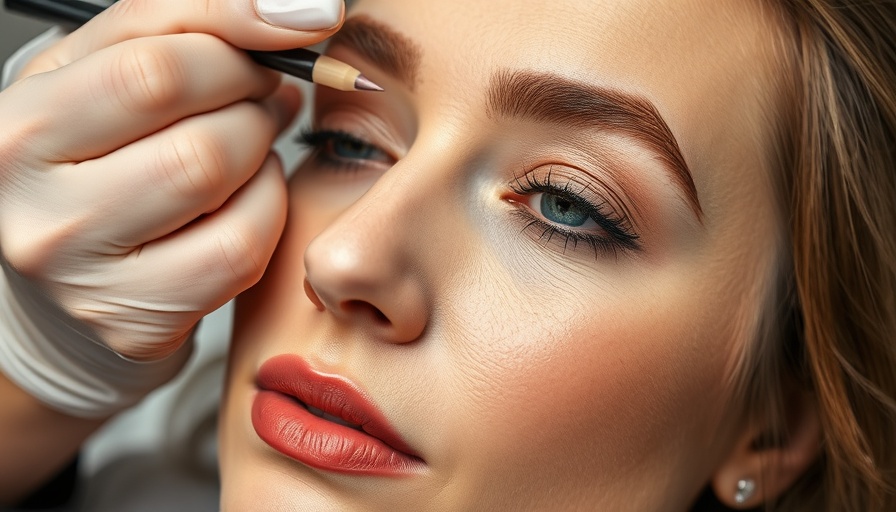
Woman receiving eyebrow treatment, related to selling lash and brow serums.

Unlocking New Revenue: The Beauty of Lash and Brow Retail

Managing a spa or beauty studio entails juggling myriad responsibilities, from client satisfaction to staff management. However, one often-overlooked avenue for growth lies in the retail space, specifically in selling lash and brow serums. As the demand for lash and brow services surges, fueled by emerging beauty trends and a desire for maintenance-free routines, integrating these products could be a game changer for businesses.

Understanding the Boom in Lash and Brow Services

Gone are the days when mascara and brow pencils sufficed. Today’s clients are leaning towards longer-lasting solutions like lash extensions, lifts, tints, and brow microblading. With this increasing focus on eye enhancements, there exists a substantial market for products that extend these benefits. This shift is not just a trend; it reflects a fundamental change in beauty routines driven by convenience and beauty standards.

The Importance of Client Education on Lash and Brow Care

As clients receive treatments, take the opportunity to emphasize the necessity of lash and brow care. Factors such as age, stress, and environmental elements contribute to thinning lashes and brows. By advocating for the use of serums enriched with nourishing ingredients, you can help your clients protect their investments in beauty services.
Highlighting how serums serve as a first line of defense against daily aggressors will not only promote the retail products but also establish your authority as a knowledgeable professional in the field.

Recommendations That Align With Services

Integrating retail into services involves more than just suggesting products; it requires an understanding of compatibility. For example, lash serums must work in harmony with extensions. Offering pre-service recommendations, like using serums two to three weeks prior, can vastly improve outcomes—clients emerge from your salon with stronger, fuller lashes and brows. This proactive approach enhances client satisfaction and elevates your reputation.

Selling With Confidence: The Role of Product Safety

In a market increasingly concerned with product safety, particularly in the beauty sector, it’s crucial to champion serums that are clinically tested and dermatologist-approved. Only endorse formulations that have proven track records, low return rates, and solid testimonials. Your assurance of product efficacy not only encourages purchases but builds trust with your clientele.

Fostering a Community of Brand Ambassadors

Most successful businesses recognize the power of word-of-mouth marketing. Identify satisfied clients who can spotlight their positive experiences with your products. Their genuine testimonials can serve as powerful marketing tools, inspiring potential clients to purchase through trusted recommendations. This strategy not only boosts sales but strengthens the relationship between your practice and your clients.

The Ongoing Impact of Beauty Trends

As beauty trends continue to evolve, the potential impact on your spa practice can be substantial. Keeping abreast of these shifts allows you to tailor your offerings to what clients seek—whether it’s the newest lash technology or innovative brow care solutions. Regularly updating your knowledge of the industry and adjusting your product offerings in response to client feedback not only builds loyalty but places your business as a forward-thinking leader in the beauty space.

Conclusion: Take Action to Transform Your Practice

Elevating your retail game with effective lash and brow serums can significantly enhance not just client satisfaction, but your overall business profitability. By incorporating these tips—educating clients, aligning with services, ensuring safety and championing brand ambassadors—you can create a flourishing retail environment within your practice. Remember, staying informed and adaptive to your client’s needs will ensure your success in this vibrant beauty landscape.

Health Tech

0 Comments

Write A Comment

*
*
Please complete the captcha to submit your comment.
Related Posts All Posts
04.10.2026

What RNA Detection Method Reveals About Skin Microbe Activity

Update Unlocking the Secret Life of Skin Microbes Recent breakthroughs in scientific research reveal the hidden, dynamic interactions of skin-associated microbes in real time, thanks to a pioneering RNA detection method. Skin, often viewed simply as a protective barrier, is a vibrant ecosystem filled with diverse bacterial populations that play critical roles in our health. By employing a novel approach to track the RNA of these microbes, researchers are unveiling the complexities of skin microbe activity and identifying their responses to various environmental stimuli. Why Understanding Skin Microbes is Important The skin microbiome has a profound influence on overall health. Disruptions in microbial balance can lead to conditions like acne, eczema, and even systemic issues like allergies. By studying how these microbes function in real time, scientists can develop targeted therapies that restore balance and enhance skin health. The new RNA method provides unprecedented insights, marking a significant step forward in dermatological research. The Science Behind the RNA Method The innovative RNA detection technique allows researchers to monitor microbial gene expression patterns live, rather than relying on static samples taken from the skin. This enables them to observe how skin microbes react to factors such as skincare products, environmental changes, and even dietary shifts. By understanding these responses, there is potential to personalize skincare routines that align with individual microbiome health, shifting product focus from one-size-fits-all solutions to tailored approaches. Future Predictions and Opportunities in Skincare This revelation opens doors for the skincare industry to innovate based on real-time science. Imagine skincare products that are enhanced with the ability to adjust their effects based on an individual's unique skin microbiome. This could lead to more effective treatments that not only address existing skin issues but also promote long-term health, creating an avenue for proactive skincare. Broader Implications for Health and Wellness Beyond cosmetic applications, understanding skin microbes could have broader health implications. Research indicates that skin health is interconnected with other body systems, influencing conditions like obesity and diabetes. The RNA method's approach could provide a framework for future studies that explore how skin microbiomes affect overall health, possibly leading to groundbreaking treatments and strategies to maintain wellness. Challenges and Considerations Despite the exciting prospects of this research, the field still faces challenges. Establishing standardized protocols for RNA monitoring in diverse patient populations is essential to ensure accuracy and reliability. Additionally, ethical considerations surrounding microbiome manipulation will need to be addressed as technology evolves. As this area of research advances, transparent discussions will be crucial to navigate potential risks and benefits. Conclusion: The Future of Skincare Innovation The unveiling of skin microbial activity through groundbreaking RNA detection methods ushers in a new era for skincare and health. This innovative approach not only enhances our understanding of microbes but also poses opportunities for personalized, effective skincare treatments. As technology continues to evolve, so will our capabilities to foster better health outcomes through targeted interventions. Now is the time to embrace these advancements and consider their potential for revolutionizing our approach to skincare and overall wellness.

04.09.2026

AI Outperforms Doctors in Summarizing Complex Cancer Pathology Reports

Update AI Revolutionizes Cancer Pathology Reports In a groundbreaking study conducted by Northwestern Medicine, AI models have shown remarkable capability in summarizing intricate cancer pathology reports, outperforming human physicians in both accuracy and completeness. The findings, published in the JCO Clinical Cancer Informatics, highlight the potential for AI to enhance patient care in an era where oncology is increasingly complicated. How AI Outshines Human Interpretation The study specifically examined reports from de-identified lung cancer patients, focusing on essential aspects like histopathological findings, protein expression testing, and crucial genetic data. Over six open-source AI models were tested, revealing a consistent trend: AI-generated summaries were more comprehensive, particularly in capturing molecular details that are vital for treatment decisions. Models such as Meta’s Llama 3.1 and DeepSeek emerged as the strongest performers, underscoring the power of advanced AI in processing complex medical data. The Challenge of Complex Pathology Reports Pathology reports, laden with intricate vocabulary and varying formats determined by individual institutions, pose significant challenges for even the most experienced oncologists. As medical advancements extend patient longevity, the amount of crucial data within these reports has surged, often requiring doctors to synthesize vast information under tight timelines. Dr. Mohamed Abazeed, a senior author of the study, expressed the need for AI to assist rather than replace the clinical judgment of physicians, asserting that AI can be an indispensable tool for enhancing clinical decision-making. Potential Applications: Moving Towards Implementation The Northwestern team is developing an app that leverages Llama 3.1 to allow physicians to quickly generate AI-aided summaries of pathology reports. While the research validates the technology's effectiveness, the vital next steps involve extensive testing and validation to ensure safety and reliability. This focus on patient-centric pathology could aid in identifying vital markers that could shift treatment strategies, especially for patients experiencing multiyear treatments with extensive documentation. Contextualizing AI within the Clinical Landscape Incorporating AI could initiate a paradigm shift in clinical workflows. As explained in an accompanying study featured in The Pathologist, the ambiguity inherent in free-text pathology reports complicates attempts at structured data extraction. Advanced AI frameworks could streamline this process, ensuring that significant clinical information is promptly accessible. The challenge lies not just in data extraction but in integrating these sophisticated systems into existing laboratory information systems (LIS) without compromising the quality of care. Future Implications for Patient Care Looking ahead, the potential for AI applications to refine clinical practices is immense, particularly in precision medicine—a field heavily reliant on accurate and timely data integration. By converting narrative reports into structured information, AI can enhance the speed at which doctors access essential details that inform treatment pathways. As the pressure for precision grows, equipping clinicians with reliable tools to manage complex data will be paramount. A responsible rollout of AI-generated summaries can prevent important diagnostic details from being overlooked, ultimately leading to better patient outcomes. The objective remains clear; a collaborative ecosystem where AI serves as an augmentation to physician expertise rather than a replacement, heralding a new era of medical diagnostics. In conclusion, the integration of AI technologies into pathology has the potential to not just support clinicians but to significantly enhance patient care, ensuring critical information is never lost in the shuffle of lengthy and complex reports.

04.09.2026

Discover How Efficient Data Sharing Can Transform Patient Care Plans

Update Why Efficient Data Sharing Matters in Healthcare In today’s fast-paced healthcare environment, the ability to share patient data efficiently is more important than ever. With the increasing complexities of patient care, the reliance on timely and accurate information can significantly impact outcomes. When healthcare providers have seamless access to critical patient information, they can make informed decisions, ultimately leading to improved care plans. The Role of Technology in Revolutionizing Patient Care Technological advancements play a crucial role in enhancing data sharing practices. From Electronic Health Records (EHRs) to cloud-based platforms, these innovations allow for real-time updates on patient conditions, thereby enabling a cohesive approach to treatment. By harnessing tech solutions, healthcare institutions can minimize delays and streamline communication between different care providers. Challenges to Efficient Data Sharing Despite the benefits, several hurdles remain. Privacy concerns and data security are at the forefront of discussions about data sharing in healthcare. A study from the American Journal of Managed Care highlights that over 75% of healthcare organizations reported cybersecurity incidents, creating hesitation among providers to share sensitive information. Moreover, interoperability issues between different EHR systems can complicate patient data exchange. Future Insights: Towards a Collaborative Healthcare Ecosystem Looking ahead, the potential for a more collaborative healthcare ecosystem is bright. With emerging standards for data interoperability and increased regulatory support, healthcare providers might soon share vital information more freely and securely. This openness can lead to more personalized care strategies and, ultimately, better patient outcomes. Making Informed Decisions: What This Means for Patients For patients, the push for efficient data sharing translates into a more streamlined healthcare experience. By ensuring that their care teams have access to comprehensive health histories, patients can receive tailored treatments that address their unique needs. The more informed healthcare professionals are about a patient’s background, the better the decisions they can make regarding treatment. Conclusion: The Imperative of Embracing Change As we witness the ongoing transformation in healthcare driven by technology, the importance of effective data sharing cannot be overstated. By addressing current challenges and embracing innovative solutions, healthcare providers can enhance patient care plans and, consequently, patient satisfaction. It’s a significant step towards creating a future where everyone benefits from improved care outcomes.

Terms of Service

Privacy Policy

Core Modal Title

Sorry, no results found

You Might Find These Articles Interesting

T
Please Check Your Email
We Will Be Following Up Shortly
*
*
*
