
Tech Life Journal
update
Tech Life Journal 
update
  • Home
  • Categories
    • Innovation
    • Digital Tools
    • Smart Living
    • Health Tech
    • Gear Review
    • Digital Life
    • Tech Travel
    • Voices in Tech
  • Featured
July 10.2025
2 Minutes Read

TSMC Revenue Jumps 39%: Insights on the AI Spending Boom

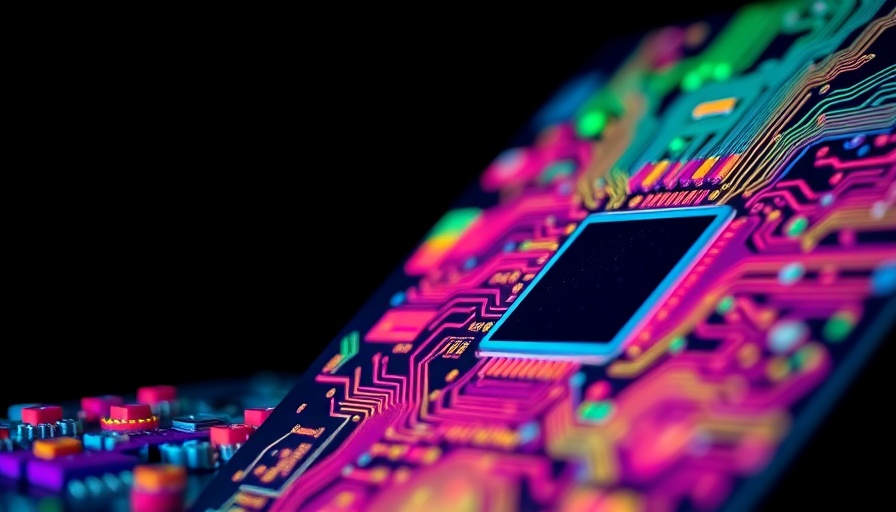
Close-up of colorful silicon wafer reflecting AI Spending Boom

TSMC's Surge: A Clear Reflection of the AI Boom

In a remarkable turnaround, Taiwan Semiconductor Manufacturing Company (TSMC) has reported a staggering 39% revenue increase in the June quarter, capturing global attention as a bellwether of AI market growth. This increase not only beat the expectations set by analysts but also signals a robust resurgence of investment in artificial intelligence technologies following the ChatGPT phenomenon, which revolutionized the AI landscape.

The Numbers Behind TSMC’s Growth

TSMC generated NT$934 billion (approximately $32 billion) in sales, largely fueled by demands from tech giants such as Nvidia and Apple. Analysts had projected revenues would hover around NT$928 billion, making this performance even more impressive. The continuing trends in AI development and deployment are instrumental in driving this demand, reflecting the broader surge in technology spending as companies scramble to harness the power of AI.

Understanding the AI Spending Boom

The COVID-19 pandemic set the stage for a dramatic shift towards digital solutions, with the ensuing AI boom being a pivotal trend. This leap has resulted in heightened expenditure across sectors focusing on developing AI capabilities. For example, businesses are now seeking more advanced algorithms and faster processing units to support burgeoning applications in everything from automation to customer service enhancements.

What This Means for Consumers and Investors

For consumers, TSMC's growth and the global AI spending increase likely signify more innovative products and services. With companies pouring resources into AI-driven technologies, customers may soon experience improved functionality in the devices and applications they use daily. From more responsive smartphones to smarter home devices, the investment advances in chip technology will elevate consumer experiences.

International Implications and Competitive Landscape

Interestingly, TSMC’s success is not occurring in a vacuum. The company operates in an intensely competitive landscape against rivals like Samsung and Intel, who are also aggressively pursuing AI advancements. Each company’s ability to innovate in semiconductor manufacturing will determine market leadership in the evolving tech narrative. The implications extend beyond just business; technological innovation driven by AI can redefine global economic power dynamics, influencing job markets and international relations.

Future Predictions: Road Ahead for TSMC and AI Development

Looking ahead, the tech industry’s trajectory seems set for continued AI adoption, which TSMC is well-positioned to harness. Analysts predict that the push towards AI will create sustained demand for high-performance chipsets, necessary for complex computations and machine learning tasks. As companies increasingly rely on cloud-based AI solutions and real-time data processing, TSMC could see its revenues continue to soar.

Takeaway: The Need for Informed Observation

The rising trend of AI-related spending, highlighted by TSMC's robust performance, serves as an important reminder for individuals and businesses alike to stay informed about technological advances. As major companies pivot towards AI integration, adapting to these changes can offer significant advantages, making it critical for stakeholders to keep an eye on the evolving landscape.

Innovation

0 Comments

Write A Comment

*
*
Please complete the captcha to submit your comment.
Related Posts All Posts
05.15.2026

YouTube's Picture-in-Picture Update: A Game Changer for All Users

Update Unlocking YouTube's Picture-in-Picture: What You Need to Know YouTube has made headlines recently with its latest update, allowing all users the freedom to use the picture-in-picture (PiP) feature without a subscription. This significant shift marks a major change in how users can interact with the app and multitask while enjoying their favorite videos. Traditionally reserved for YouTube Premium subscribers, this feature can now be appreciated by a much broader audience on both iOS and Android devices. What is Picture-in-Picture? Picture-in-picture is a functionality that enables users to continue watching videos in a small, movable window while navigating other apps on their devices. This offers an enhanced viewing experience, particularly for those who enjoy multitasking or who simply wish to keep a video running while using different applications. Global Rollout: Who Benefits? The rollout of PiP functionality globally caters primarily to longform, non-music videos for free users. According to reports, while all users will gain access to PiP for regular videos, the PiP feature on music videos still requires a YouTube Premium subscription. This decision raises questions about the accessibility of premium features and the balance between free and paid content on platforms like YouTube. A Look Back: Historical Context of YouTube Features Historically, YouTube has periodically introduced features that blurred the lines between free and premium services. The introduction of PiP for free users is indicative of an ongoing trend where platforms seek to enhance user engagement without eliminating their subscription services. For instance, prior updates focused on streaming quality and ad experiences that differ based on user tiers. As competition heats up in the digital video landscape, features like PiP become crucial differentiators. Practical Insights: How to Use Picture-in-Picture To activate picture-in-picture on your device, you will need to watch a longform, non-music video. On iOS, simply swipe up as if you are closing the app—the video will stay in view, allowing you to access other applications while watching. Android users may need to press the home button, a technique that can vary by device. If PiP doesn’t function as intended, ensure it’s enabled in the app settings. On iOS, navigate to Settings > General > Picture-in-Picture and toggle on "Start PiP Automatically". Android users can check their settings under Apps for the YouTube app. Future Trends: What Comes Next for Streaming Services? As streaming services continue to evolve, the YouTube update hints at a growing trend toward more flexible viewing options. Platforms are likely to continue experimenting with free features to entice new users while attempting to maintain a strong subscriber base for exclusive content. The success of the picture-in-picture feature could lead to more innovations that cater to the demands of modern users who prioritize multitasking. The Emotional Connection: Enhancing User Experience For many users, the ability to watch videos while performing other tasks brings a level of convenience that is emotionally positive. Picture-in-picture can enhance productivity, making the viewing experience not just about entertainment, but about efficiency as well. Users often share stories about how they use video content for learning or relaxation while working, showcasing the diverse ways in which video consumption integrates into their daily lives. As the digital landscape continues to shift, staying informed about these updates can help users maximize their experience and take full advantage of new functionalities that may enhance their digital lives. The recent YouTube update underscores the platform's commitment to accessibility, but it also highlights the ongoing need for users to remain informed about how to utilize these features effectively. To further explore the world of digital tools and stay up-to-date with innovations, keep tapping into tech news platforms and stay engaged in the discussion about the future of content consumption.

05.14.2026

Elon Musk vs. Sam Altman: A Distraction Amid AI's Crucial Challenges

Update The Divisive Duel: Musk and Altman’s Rivalry Unveiled In a moment where technology giants collide, the high-profile rivalry between Elon Musk and Sam Altman has captured the attention of the tech industry and beyond. Once aligned in their vision for AI at OpenAI, these two titans have descended into a bitter feud that is making headlines, with Musk's lawsuit against Altman raising serious questions about trust and the future of artificial intelligence development. Behind the Feud: What’s at Stake? Elon Musk's lawsuit against OpenAI, co-founded with Sam Altman, revolves around allegations of deception regarding the organization’s shift from a non-profit to a for-profit enterprise. Musk, seeking a staggering $150 billion in damages, claims that he was misled into funding OpenAI under the premise of altruism. On the flip side, OpenAI contends that Musk was informed about the transformations, portraying the lawsuit as a move to thwart competition from Altman’s leadership. But beyond the personal animosity lies a deeper question about the AI industry. If Musk's allegations take down Altman, who stands to gain? It’s likely that a new player, perhaps Musk’s xAI, will step into the void—but would this really change the dynamics of AI as we know it? As technology continues to evolve and advance rapidly, focusing on personalities distracts from the critical issues surrounding the development of AI. Rivalries in Silicon Valley: More Common Than We Think Silicon Valley has a well-documented history of dramatic rivalries, with tech titans often pitted against each other in a bid for dominance. This pattern is echoed in the Musk-Altman saga, where the clash of egos overshadows the mission for responsible AI advancement. Drawing from Altman’s courtroom testimonies, it's evident that both men have strong personalities that are likely at odds not just in this scenario, but as they navigate the evolving path of AI technology. Other tech moguls also have their share of rivalries. The competition between companies like Anthropic—founded by ex-OpenAI employees—is indicative of an industry rife with tensions, often fueled by similar aspirations and ambitions. Indeed, the emergence of competing firms raises concerns about the consolidation of power and impacts on consumer welfare and economic stability. Is the Focus Misplaced? What’s Really at Stake? While the courtroom drama can be riveting and the personalities captivating, the critical implications of the Musk v. Altman battle raise more significant ethical questions. The industry continues to race toward the next breakthrough in AI, yet the same issues of consolidation, resource depletion, and ethical concerns loom large. As Bruce Schneier aptly puts it, the move towards AI should not necessitate imperial conquest, and its development ought to be guided by a foundation of broad-based benefit rather than the pursuit of unchecked power. Ultimately, the presence of Musk and Altman in the AI landscape may mask systemic issues that need addressing. The next generation of AI technologies demands not only inventiveness but also diligence towards ethical practices that prioritize societal betterment—something that could be compromised if the industry remains ensnared in fashioning ego-driven rivalries. Looking Ahead: The Future of AI is at a Crossroads This legal tussle presents an opportunity for the tech world to reflect, evaluate, and recalibrate its priorities. If anything can be gleaned from these events, it’s that the focus should shift from personal disputes to the collective responsibility of shaping AI’s trajectory. Engaging consumers, policymakers, and innovators can potentially forge a new path that prioritizes human welfare and ethical practices in technology, rather than allowing it to be determined by any single personality. Why Should We Care? In our fast-evolving technological landscape, understanding the narratives behind industry developments is crucial. The power dynamics illustrated in this rivalry hint at larger operational structures that affect how technology impacts daily lives. As stakeholders in this narrative, be it through professional involvement or societal impact, it is imperative to advocate for a future where technology serves humanity responsibly. As we navigate these reshaping narratives in tech, it remains essential to remember the vision for responsible AI and what it means for all involved. Now is the time to advocate for accountability and a transition towards ethically driven practices that ensure the beneficial evolution of technology for all of society.

05.14.2026

Meet Bridget: The Revolutionary AI Hologram Concierge at LaGuardia Airport

Update Bridget: A Futuristic Concierge at LaGuardia Travelers at LaGuardia Airport are in for a treat as Terminal B has recently introduced an innovative guest experience ambassador: a life-size AI hologram named Bridget. This pioneering AI technology is not just an entertaining spectacle; it serves a practical purpose by assisting passengers with real-time navigation throughout the terminal. With capabilities to converse in both English and Spanish, Bridget is designed with accessibility in mind, including closed captioning and wheelchair-friendly controls. This blend of hyper-realism and functionality makes her a valuable addition to the airport environment. Why Holographic Technology Matters Bridget represents a significant shift in how airports can enhance traveler experience. Unlike traditional airport services that can often feel impersonal and confusing, this AI hologram aims to humanize navigation by engaging passengers in natural conversations. As David Nussbaum, founder of Proto Hologram, notes, “Most people think of airports as stressful and confusing environments,” and with innovations like Bridget, airports can redefine customer service. The Vision Behind Terminal B Terminal B at LaGuardia has undergone a remarkable transformation, thanks to a $5.1 billion redevelopment project. Not only has it won numerous customer-experience awards, but the introduction of Bridget further cements its status as a leader in airport innovation. The terminal is no longer viewed as a last resort for travelers but as a state-of-the-art facility that prioritizes customer satisfaction and comfort. Transforming Travel Experience Every feature of Bridget is tailored to improve how travelers move through the terminal. She can provide directions to gates, shops, lounges, and even baggage claims, thus alleviating the stress typically associated with airport navigation. With real-time updates on flight statuses, this technology empowers travelers with essential information at their fingertips, creating a seamless journey. A Balance Between Technology and Humanity Crucially, LaGuardia emphasizes that Bridget is meant to supplement, not replace, human staff. Holograms like Bridget can handle the overflow of queries during peak travel times, ensuring that the human guest experience ambassadors can focus on more complex requests. This partnership serves to elevate the entirety of the traveler experience, ensuring personalized attention alongside digital efficiency. The Future of AI in Airports The success of Bridget may pave the way for more airports to adopt similar technologies. As traveler expectations evolve, a growing demand for interactive and personalized services will likely push more facilities to innovate. Airports, often seen as mere transit points, can become vibrant, engaging spaces that leverage technology not just for efficiency but also for enhancing human connection and engagement. Conclusion: Embracing the New Normal in Travel As airports evolve, the integration of technologies like Bridget represents a critical step forward. Travelers can expect smoother transitions through terminals while receiving information in a more engaging manner. The future of air travel appears promising, and as innovations like Bridget emerge, the experience will only continue to improve. Whether you’re a frequent flyer or a first-time traveler, public fascination with technology is undeniable. Keep your eye on emerging trends in air travel technology and consider visiting LaGuardia to witness Bridget in action. This experience not only highlights the technology at your fingertips but also represents a shift towards more user-friendly airport environments.

Terms of Service

Privacy Policy

Core Modal Title

Sorry, no results found

You Might Find These Articles Interesting

T
Please Check Your Email
We Will Be Following Up Shortly
*
*
*
