Tech Life Journal
update
Tech Life Journal 
update
  • Home
  • Categories
    • Innovation
    • Digital Tools
    • Smart Living
    • Health Tech
    • Gear Review
    • Digital Life
    • Tech Travel
    • Voices in Tech
  • Featured
May 05.2026
1 Minute Read

Unlock Success Fast with Business Fitness Boot Camp!

Brad Tornberg on Why Business Fitness Boot Camp is Transformative for Manufacturers

For manufacturers across New Jersey, Philadelphia, and the Delaware Valley, transformation isn’t just a buzzword—it’s a necessity. Staying competitive demands operational excellence, and yet, many manufacturing leaders still overlook one of the most effective ways to achieve it: a candid, comprehensive operational assessment. Brad Tornberg, veteran consultant and principal of E3 Business Consulting, has spent over 30 years guiding manufacturers to sustainable growth, cost reduction, and revenue acceleration. “When it comes to operational health, most business owners don’t realize what the real hurdles are,” Brad explains. Through his signature business fitness boot camp, Brad encourages leaders to see their factories with fresh eyes—so they can ignite rapid, measurable improvement.

Today, we’ll follow Brad’s expert guidance, dive deep into the realities and myths of operational assessments, and reveal how the business fitness boot camp can unlock hidden potential for manufacturers looking to not only survive, but thrive, in today’s challenging market landscape.

“Sometimes business owners need an unbiased, outside perspective to truly pinpoint where the weaknesses lie and where the greatest ROI can be found by addressing those issues.”
— Brad Tornberg, E3 Business Consulting

Operational assessment team in New Jersey manufacturing - business fitness boot camp strategy meeting with whiteboards, laptops, and process charts

The Core Misconception: Operational Assessments Are Incomplete

According to Brad Tornberg, the most persistent misconception about operational assessments is that they fail to capture the full spectrum of pain points within an organization. “Many manufacturers think an operational assessment only scratches the surface or overlooks key issues,” Brad observes. This skepticism often stems from previous experiences where assessments were too generic or focused solely on obvious bottlenecks—leaving systemic process inefficiencies and hidden obstacles untouched. In Brad’s experience, however, the right operational assessment—a true business fitness boot camp—offers a panoramic, unbiased diagnostic that goes far beyond surface-level analysis.

Manufacturers who underestimate the depth of a thorough assessment risk missing critical opportunities for improvement. Brad emphasizes that without a comprehensive approach, leaders may allocate resources to the wrong areas or implement solutions that fail to address the root cause of their challenges. An effective operational assessment is designed to provide a granular understanding of existing processes, team dynamics, and technology infrastructure—revealing a 360-degree view of the plant and empowering management to take targeted, high-ROI actions.

For those interested in actionable strategies and hands-on learning, exploring the workshops offered by E3 Business Consulting can provide practical tools and frameworks that complement the business fitness boot camp approach. These sessions are tailored to help manufacturers implement assessment findings and drive real operational change.

“Many think operational assessments don't capture all pain points, but the right process captures a holistic view of operational inefficiencies.”
— Brad Tornberg, E3 Business Consulting

How Operational Assessments Drive Measurable Improvements in Manufacturing

The transformative impact of an operational assessment is not theoretical for Brad Tornberg; he’s seen firsthand how an unbiased review unlocks sustained success for manufacturing businesses. As Brad recounts, “In one case, a manufacturer thought software was their problem. We discovered inefficiencies stemmed from flawed processes—and by redesigning those, we unlocked significant efficiency gains. ” This example isn’t an isolated incident. More often than not, manufacturers invest heavily in new technology or systems, expecting miraculous change, but glaring inefficiencies persist because the true issues lie with people and processes, not just software.

Brad’s strategic approach empowers manufacturers to realize dramatic improvements without the massive capital outlay typically associated with technology overhauls. By focusing on the operational fabric—process, workflow, communication, and team alignment—manufacturers are able to increase throughput, minimize wasted time and effort, and drive sustainable profitability. Recent studies underscore this perspective: according to industry benchmarks, companies that prioritize process improvement over technology spending achieve ROI up to 3x faster. Brad’s methodology positions the business fitness boot camp as the diagnostic catalyst for this type of agile, bottom-line transformation.

“In one case, a manufacturer thought software was their problem. We discovered inefficiencies stemmed from flawed processes — and by redesigning those, we unlocked significant efficiency gains.”
— Brad Tornberg, E3 Business Consulting

Engineer and technician analyzing assembly line for business fitness boot camp in a New Jersey factory

Diagnosing the Real Issues: Beyond Technology to People and Process

Brad Tornberg’s vast experience reveals a recurring pattern: manufacturing leaders often assume technology is the magic bullet for operational woes. In reality, as Brad asserts, “It’s usually people, process, or technology—but most frequently, it comes down to people and process first. ” This insight is at the core of E3’s business fitness boot camp. Through his diagnostic process, Brad consistently uncovers that inefficiencies are less about outdated software and more about unclear workflow, misaligned team roles, or unoptimized communication channels.

According to Brad, an effective assessment pinpoints these human and procedural gaps with precision. “By changing the right processes, we were able to gain efficiencies,” he notes, referencing a client whose productivity soared not from a software switch, but from workflow redesign. This emphasis on foundational people and process improvements prevents manufacturers from making hasty, costly technology investments that fail to deliver. Instead, Brad’s approach leverages root cause analysis and strategic prioritization—ensuring every improvement directly supports higher output, lower costs, and a culture of ongoing enhancement.

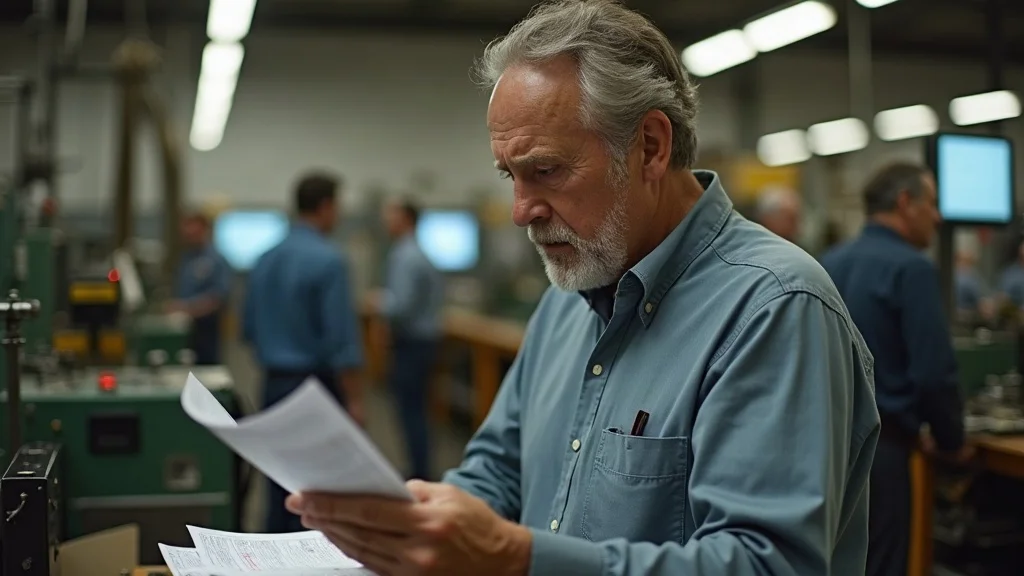
Consultant guiding plant manager on workflow and people dynamics for business fitness boot camp in manufacturing

Maximizing ROI: Targeting Key Pain Points Through Business Fitness Boot Camp

The essence of Brad’s business fitness boot camp is laser-focused ROI through identification and rapid resolution of high-impact issues. For New Jersey, Philadelphia, and Delaware Valley manufacturers striving for sustainability, the stakes have never been higher. “It’s about identifying which pain points, once addressed, create the largest improvements for the business,” Brad advises. Rather than dilute attention or budget across low-importance problems, the boot camp approach leverages Brad’s thirty years of cross-industry expertise, guiding clients to act decisively where improvements translate directly into profitability and resilience.

Brad’s methodology ensures manufacturers avoid the twin pitfalls of analysis paralysis and incremental, unfocused change. Every diagnostic is tailored, every recommendation is measured for impact, and every action plan is designed to deliver visible, bottom-line results within a compressed timeframe. According to Brad, this isn’t a one-off exercise—it’s the launch pad for a culture shift, embedding continuous improvement and unbiased assessment as a core business discipline. That’s how businesses become not just fit, but future-ready.

Key Actionable Insights for New Jersey and Delaware Valley Manufacturers

  • Adopt an unbiased, external operational assessment to identify hidden inefficiencies.

  • Focus on people and process improvements before costly technology changes.

  • Leverage expert guidance to prioritize issues delivering the highest returns.

  • Use Business Fitness Boot Camp as a strategic diagnostic and improvement tool.

Industry Context: Why This Approach Matters More Than Ever for Manufacturers

The manufacturing sector in the Mid-Atlantic is under unprecedented pressure: global supply chain disruptions, workforce gaps, and the need to pivot quickly in response to market demand. According to Brad Tornberg, it is in precisely these moments that the rigor of the business fitness boot camp approach shines. External, unbiased operational assessments become the difference between guesswork and clarity, stagnation and momentum.

Brad’s experience confirms that in volatile times, those manufacturers who proactively seek out and address their most powerful leverage points emerge stronger. “Manufacturers need to be agile, resilient, and relentlessly focused on root causes,” Brad observes. The business fitness boot camp equips business leaders with actionable intelligence, allowing them to anticipate industry shifts, optimize efficiency, and safeguard profitability. In a world where competitive advantage hinges on continual adaptation, Brad’s framework delivers the assurance and structure manufacturers need to accelerate performance—today and tomorrow.

Sunset view of efficient manufacturing operation with managers and automated lines - business fitness boot camp context

Summary: Unlocking Fast Success Through Expert Operational Assessments

  1. Understand and overcome misconceptions about operational assessments.

  2. Recognize that effective improvements often come from people and processes, not just software.

  3. Value the unbiased perspective to identify critical pain points.

  4. Engage with Business Fitness Boot Camp to gain structured, impactful insights.

Take the Next Step to Elevate Your Manufacturing Business

  • Sign up for Brad's Workshops to experience Business Fitness Boot Camp firsthand and start transforming your manufacturing operations.

According to Brad Tornberg, manufacturers can no longer afford blind spots or incremental fixes. The time to act is now—embrace the business fitness boot camp, leverage unbiased operational assessments, and seize the opportunity to outperform, outthink, and outlast in today’s dynamic manufacturing environment. Ready to move from uncertainty to unstoppable growth? Brad’s workshops are designed to put your improvement plan in motion—your journey to manufacturing health starts with a single step.

If you’re eager to deepen your understanding of operational excellence and discover advanced strategies for long-term business growth, consider exploring the full range of E3 Business Consulting workshops. These immersive sessions go beyond diagnostics, equipping manufacturing leaders with the tools, frameworks, and mindset needed to drive continuous improvement and adapt to evolving industry challenges. Whether you’re seeking to refine your processes, empower your teams, or future-proof your operations, these workshops offer the next level of insight and actionable expertise. Take the next step toward building a resilient, high-performing manufacturing business—your transformation starts with knowledge and the right guidance.

To further enhance your understanding of operational assessments and their transformative impact on manufacturing, consider exploring the following resources: “Buddy Boot Camp”: This article provides insights into implementing a structured boot camp program to boost business performance and client engagement. (ideafit. com) “Fitness Boot Camp”: This resource offers an overview of fitness boot camps, detailing their structure and benefits, which can be analogous to business fitness programs. (en. wikipedia. org) These resources offer practical strategies and real-world examples to help you implement effective operational assessments and drive measurable improvements in your manufacturing operations.

Innovation

0 Comments

Write A Comment

*
*
Please complete the captcha to submit your comment.
Related Posts All Posts
05.05.2026

Explore the Ultrahuman Ring Pro: A 15-Day Battery Life Without Fees

Update Redefining Wearable Technology: Ultrahuman Ring Pro’s Breakthrough The health and fitness landscape is rapidly evolving, and the Ultrahuman Ring Pro is at the forefront, offering an impressive solution for those seeking continuity in health monitoring. With a battery life of up to 15 days, this innovative device shifts the paradigm from frequent recharging to long-term usage, creating a game-changing experience in wearable technology. Wearables typically require nightly charging, which can disrupt sleep tracking, but with the Ring Pro, users can enjoy uninterrupted health insights, making it a significant advancement in smart ring technology. Autonomy and Longevity: The Future of Health Tracking This smart ring comes equipped with a dual-core processor and on-device machine learning capabilities, enhancing its ability to analyze health data without relying on a smartphone connection. It can store up to 250 days of data, providing a comprehensive ecosystem for effective monitoring and analysis. As noted by designers, this technology positions the Ultrahuman Ring Pro as a semi-autonomous wearable, representing a significant step forward from typical dependent smart accessories. The ability for the ring to hold data and operate independently appeals especially to users who lead busy lifestyles or are often on the move. An Aesthetic and Functional Design for Daily Life The Ultrahuman Ring Pro is crafted from fighter jet-grade titanium, ensuring durability and comfort for prolonged wear. Available in chic finishes—Raw Titanium, Aster Black, Bionic Gold, and Space Silver—the ring combines functionality with style. This level of customization is not just visually appealing; it acknowledges the growing trend of aesthetics in fitness technology. The design extends to its charged case, which has been described as both handy and ornamental, meant to sit stylishly on your nightstand rather than being hidden away. This departure from traditional charging boxes marks the Ring Pro as a piece of wearable technology that can be showcased rather than concealed, appealing to the modern consumer who balances technology with lifestyle. Integrating Real-Time Bio-intelligence: Meet Jade At the heart of the Ultrahuman Ring Pro’s innovation is Jade, the company's biointelligence AI. Jade seamlessly integrates data from the ring, a continuous glucose monitor, and environmental statistics, making it an invaluable ally in health management. By offering real-time insights and personalized recommendations, the AI transforms passive data into actionable health advice, enabling users to make informed decisions regarding their wellness. This level of integration not only sets the Ultrahuman Ring Pro apart but establishes a new standard for wearables, creating an ecosystem where users can actively engage with their health data in a way that feels personal and relevant. The Value of Subscription-Free Ownership One of the most attractive aspects of the Ultrahuman Ring Pro is its model of ownership. Without any subscription fees, the device’s ongoing utility remains accessible, underscoring a trend towards fair consumer practices in the tech industry. Many wearable products hinge on ongoing costs that can make them prohibitive in the long term, but Ultrahuman’s choice to eliminate this barrier positions it as a customer-friendly alternative. Join the Wearable Revolution Now As Ultrahuman prepares for global distribution starting with the US market, this product is poised to redefine how consumers view health monitoring through technology. Whether used for fitness tracking, health insights, or simply as a stylish accessory, the Ultrahuman Ring Pro stands to enrich the lives of its users significantly. For those eager to embrace this next-generation wearable, pre-orders are available now, allowing early adopters to jump straight into a new era of health tracking. This development invites potential users to consider not just how they can track their health, but how long they can do so without the distraction of frequent recharging. Engage with the future of health technology. Pre-order your Ultrahuman Ring Pro today and discover the benefits of continuous health insights with a device designed to fit seamlessly into your lifestyle.

05.05.2026

The Impact of Market Events on Used Car Inventory Strategy

In today’s rapidly shifting automotive landscape, adapting your used car inventory strategy market events is not just a smart choice but an essential survival skill. Market events like the UAW strike and post-COVID shifts have dramatically altered how dealers approach inventory management. This article explores these challenges and reveals how dealerships can leverage real-time data and advanced analytics to maintain profitability and competitive advantage. According to John Ellis of Agile Auto Inc. , relying purely on past sales pace for inventory decisions can leave dealers “too late” in responding to volatile market dynamics, risking overstock or missed sales. Here, you’ll gain actionable insights on optimizing inventory strategy amid market disruptions and discover best practices that transform your dealership’s bottom line. Understanding Used Car Inventory Strategy Market Events Definition of used car inventory strategy: the planning and execution of buying, holding, and selling used vehicle stock to meet customer demand and maximize profitability. Overview of market events affecting inventory: major occurrences such as strikes, pandemics, and economic shifts that influence supply, demand, and pricing. Importance of adaptive inventory management: flexibility and real-time responsiveness to market changes ensure balanced stock levels and reduced financial risk. The concept of a used car inventory strategy hinges on forecasting and responding to both predictable and unexpected market events. Dealers who fail to adapt their acquisition rates and inventory mix based on evolving conditions risk financial losses or stagnant stock. For instance, fluctuations caused by labor strikes or supply chain disruptions can swiftly alter consumer demand patterns. Consequently, adaptive inventory management means continuously analyzing market signals and adjusting buying decisions accordingly. John Ellis from Agile Auto Inc. emphasizes that the traditional model of buying inventory strictly based on the pace of past sales no longer holds up. “The hypersensitivity of the post-COVID market,” he explains, “requires tools and intelligence that offer a weighted sales forecast extending beyond the current month, enabling dealers to stay ahead, neither overbuying nor falling short. ” This adaptive mindset is the foundation for effective inventory strategy in today’s dynamic market environment. Common Misconceptions in Used Car Inventory Strategy Market Events “Most dealers buy inventory based on past sales pace, which in the post-COVID market is often too late,” explains John Ellis, of Agile Auto. Buying inventory strictly based on last month’s sales: This overlooks fast-changing market conditions and forecasted demand fluctuations. Ignoring forecasted market changes: Dealers frequently fail to incorporate weighted sales predictions and seasonal trends into purchasing decisions. Overreliance on gut feeling instead of data: Relying on intuition or recent sales anecdotes can result in suboptimal inventory that does not align with customer demand. Why Traditional Inventory Management Falls Short Traditional used car inventory management often reacts to sales history and intuition rather than anticipating future demand. This reactive approach leaves dealers vulnerable during market disruptions. For example, John Ellis describes how many dealers simply restock based on how many vehicles sold last month, without accounting for upcoming market signals. This strategy can cause dealers to either understock — leading to lost sales opportunities and dissatisfied customers — or overstock, resulting in costly holding expenses and markdowns. "In the post-COVID era, such methods fail to provide the agility needed to thrive," Ellis notes. Inventory must be managed with foresight and data-backed decisions to avoid these pitfalls. The Role of Real-Time Data in Modern Inventory Strategy Modern inventory management integrates real-time sales data, market trends, and predictive analytics to enable proactive decision-making. Rather than waiting until stock hits a critical low, dealerships can monitor ongoing sales performance and regional demand fluctuations daily. John Ellis highlights the advantage of leveraging such data: “Using Agile Auto’s platform, dealers get access to weighted sales forecasts and can adjust buying cadence accordingly — buying incrementally like a tortoise rather than racing like a hare. ” This steady, informed acquisition strategy prevents costly inventory gluts or shortages and optimizes working capital. How Market Events Influence Car Inventory and Acquisition Strategy Impact of the UAW strike on used car acquisitions: Surge in used car buying to compensate for new car production delays, followed by rapid market correction. Post-COVID market volatility and inventory challenges: Erratic consumer behavior and supply chain disruptions created unpredictable demand patterns. Seasonality and regional demand fluctuations: Inventory needs vary with time of year and local market preferences, requiring tailored strategies. John Ellis highlights, “During the UAW strike, many dealers overbought used inventory, which cost them heavily when the market shifted quickly.” Balancing Inventory to Avoid Overleveraging Market events like the UAW strike illustrate the critical need for balancing inventory levels. Many dealers reacted to new car shortages by aggressively acquiring used cars, hoping to capitalize on demand. However, when production resumed sooner than expected, this overpurchase left them with excess stock and increased carrying costs. To avoid such pitfalls, dealers must maintain a balanced approach that safeguards against market swings. Optimal inventory is neither too lean nor too bloated, ensuring profitability while maintaining customer satisfaction. Using Weighted Sales Forecasts for Smarter Buying Decisions Weighted sales forecasting involves projecting inventory needs based not just on historical sales but incorporating current market conditions, seasonal trends, and predictive analytics. This method allows dealerships to anticipate demand and adjust inventory purchases accordingly. John Ellis explains the power of this approach: “Using continuous weighted forecasts lets dealers avoid last-minute rush buys or costly overstock. It aligns acquisition cadence precisely with anticipated sales volumes, smoothing inventory flow and improving profit margins. ” Leveraging Machine Learning to Enhance Used Car Inventory Strategy Market Events Predictive analytics for acquisition strategy: Machine learning algorithms predict future vehicle demand based on sales patterns, seasonality, and market indicators. Identifying hidden value in inventory: AI uncovers overlooked vehicle types or price segments that deliver strong sales performance. Optimizing pricing strategy based on market data: Dynamic pricing models adjust vehicle prices in real time to maximize turnover and profitability. “Tools like Agile Auto use AI and patented algorithms to process data 24/7, presenting actionable insights to dealers,” says John Ellis. Case Study: Increasing Profitability Through Data-Driven Acquisition A large dealer group leveraging Agile Auto’s inventory analytics discovered a lucrative opportunity overlooked by conventional wisdom. Traditionally focused on vehicles priced under $20,000, the data revealed demand existed for slightly higher-priced models. By targeting these vehicles sourced through exclusive channels, the dealership boosted front gross profitability while minimizing costly post-sale feedback and vehicle returns. This example demonstrates how machine learning can uncover hidden value and tailor acquisitions to a store’s unique market niche. Integrating Private Party Acquisition and Turn Rate Optimization Another important dimension of modern used car inventory strategy is integrating private party acquisitions with turn rate optimization. Private party vehicles, often competitively priced and unique, complement traditional inventory sources. Agile Auto’s data-driven approach helps dealers determine when to incorporate private party vehicles into their inventory to improve turnover rates, reduce aging stock, and better meet customer demand. This integration enhances the overall acquisition strategy and supports sustained profitability. Best Practices for Implementing an Effective Used Car Inventory Strategy Market Events Assess current inventory needs based on forecasted demand. Adopt a steady, consistent acquisition cadence aligned with weighted sales forecasts. Focus on high-demand vehicles tailored to your unique customer base and market. Utilize real-time data and AI-driven tools such as Agile Auto for informed decision-making. Continuously monitor market events, including strikes, economic shifts, and seasonality, and adjust strategy accordingly. Common Mistakes and How to Avoid Them in Inventory Management Overbuying during market spikes without validating with predictive forecasts. Ignoring seasonal trends and regional market differences leading to misaligned inventory. Relying solely on historical sales data without incorporating real-time market intelligence. People Also Ask How much does a car salesman make off a $20,000 car? Car salesman commissions vary widely but typically range from a few hundred to over a thousand dollars per sale depending on dealership policies, profit margins, and sales volume. What should you never reveal to the dealer when negotiating? Buyers should avoid revealing their maximum budget or trade-in details too early to maintain leverage during price negotiations. What is the average inventory turnover for a used car dealership? Inventory turnover rates vary, but a typical used car dealership aims for a turn rate of 8 to 12 times per year to ensure profitability without excessive stock aging. What are the key trends in the used car market? Current trends include increased demand for affordable vehicles, ongoing supply chain disruptions, growing adoption of data analytics for inventory optimization, and fluctuating consumer behavior due to economic conditions. Summary of Key Takeaways Effective used car inventory strategy requires adapting swiftly to market events using real-time data. Machine learning and AI tools provide predictive insights that outperform traditional methods and support sustainable growth. A balanced acquisition cadence focused on high-demand inventory reduces financial risks and enhances profitability. Avoid common pitfalls by incorporating forecasted sales trends and market intelligence into every inventory decision. Conclusion Navigating the complexities of used car inventory strategy market events demands a data-driven, agile approach. As John Ellis of Agile Auto Inc. emphasizes, leveraging real-time insights and predictive analytics empowers dealerships to maintain optimal inventory levels, maximize profitability, and stay competitive in an ever-changing market. For more information, visit: www. agileauto. io Sources https://agileauto.io https://www.nada.org https://www.autonews.com https://www.usedcarmarketresearch.com

05.04.2026

Discover How OpenAI's New Virtual Pets Enhance Vibe Coding Fun

Update OpenAI Brings Joy to Vibe Coding with Virtual Pets OpenAI has taken a whimsical step forward in the world of vibe coding with the introduction of AI "pets" for its Codex tool. This new feature not only adds a layer of fun but also enhances user experience by providing floating overlays that keep coders updated without the need to constantly switch tasks. Imagine coding away on a complex project while being accompanied by a cute virtual companion that visually communicates your progress! What Are Codex Pets? The newly launched Codex Pets are designed to be your friendly coding companions, alerting you to important updates. Whether it’s letting you know that your prompt has finished running or informing you when it needs your input, these AI creatures serve as delightful reminders while you're deeply engrossed in your work. Currently, users can choose from eight adorable built-in pets, including classic cats and dogs, or create their own custom companions using Codex. This creative approach allows for unexpected inspirations, including characters from beloved franchises like Harry Potter, Star Wars, and even nostalgic figures like Microsoft’s Clippy. The Appeal of Customization What truly sets Codex Pets apart is the customization feature. Users can prompt Codex to generate their own pets, offering an opportunity for fun and personalization. The community adaptations can be shared online, fueling creativity and collaboration among users. This aspect taps into the growing trend of personalized AI companions in various sectors of technology, enriching the overall coding experience. Emotional Engagement in Coding Engaging emotionally with technology is nothing new, but adding a touch of playfulness can change how we approach tasks that typically require intense focus. The Codex Pets not only brighten the screen but have the potential to make coding feel less isolating. In an environment where coding can often feel like a solitary effort, a virtual pet offers companionship and an element of fun—a gentle nudge to remind you that it's okay to enjoy the process. How Codex Pets Support Efficiency Efficiency is key for developers, and Codex Pets are designed to help streamline workflow. One of the defining features of these playful companions is their ability to give project updates seamlessly, allowing users to maintain their focus without the distraction of switching tabs. This can be particularly beneficial during complex coding sessions or problem-solving tasks where attention is paramount. Future Trends in AI Companions As AI companions become staples in various tools, the Codex Pets initiative aligns perfectly with the industry's direction toward integrating more personable AI features. The incorporation of friendly prompts and visual cues could enhance productivity and create more inviting workspaces. This trend could pave the way for further innovations in AI, leading to even greater synergy between users and technology. Conclusion: The Next Steps for Codex Users If you wish to experience the joy of coding with a bit more personality, it’s time to explore the new Codex Pets. Navigate to the Settings menu in your Codex tool, select Appearance, and let your imagination run wild with built-in options or your very own creations. As we continue to evolve alongside technology, having a little extra joy in our workflow can go a long way.

Terms of Service

Privacy Policy

Core Modal Title

Sorry, no results found

You Might Find These Articles Interesting

T
Please Check Your Email
We Will Be Following Up Shortly
*
*
*