

Add Row
Add Element
Tech Life Journal
update
Tech Life Journal 
update
Add Element
  • Home
  • Categories
    • Innovation
    • Digital Tools
    • Smart Living
    • Health Tech
    • Gear Review
    • Digital Life
    • Tech Travel
    • Voices in Tech
  • Featured
April 21.2026
1 Minute Read

Unlock Success with Automotive Employer Education Today

Katie Lamphere’s Core Insight: Overcoming Misconceptions in Automotive Employer Education for Veteran Hiring

In 2026, as the automotive industry faces an intensifying talent shortage and a growing call for workforce diversity, a transformative opportunity emerges: harnessing the unparalleled skills of military veterans through smart automotive employer education. For dealer principals, HR directors, and workforce development managers, the imperative is clear—move beyond stale industry misconceptions to unlock a disciplined, leadership-rich talent pool.

As Katie Lamphere—the founder of Veterans In Automotive—emphasizes, the industry’s first hurdle is not a lack of candidates, but outdated assumptions on both sides. Many veterans are overlooked for roles outside of sales or mechanics, and too few automotive employers understand the full breadth of military-acquired leadership, technical, and problem-solving skills. According to Lamphere’s extensive experience, bridging this gap requires proactive education, real engagement, and tactical collaboration at every level of the hiring process.

Automotive employer education roundtable: veterans and industry professionals collaborate in a modern conference room
“There’s a big disconnect when it comes to the resume of a veteran and what the requirements of a job in automotive are.” — Katie Lamphere, Veterans In Automotive

The Leadership Skills Gap Myth: Why Veterans Are Undervalued in Automotive Roles Beyond Sales and Mechanics

One of the most persistent myths in automotive employer education is that veterans are only qualified for narrowly defined roles—typically sales or technical positions. Katie Lamphere stresses that this misconception not only limits hiring innovation, but also discounts the extraordinary leadership, resilience, and adaptability military service instills. In her words, many talent managers “miss out on transformational team members simply because their resumes don’t use familiar civilian language. ”

Lamphere underscores that veterans operating in high-pressure environments acquire decision-making, accountability, and complex project management training at a level often unmatched in entry- and mid-level civilian roles. Yet, the path from barracks to boardroom is often obscured by a lack of understanding on what skills truly map to automotive operations, management, or customer experience roles. According to Lamphere, employers who educate themselves using veteran-friendly frameworks can access a tidal wave of quality candidates well beyond the service bay or sales floor.

“Many veterans think the only jobs in automotive are either sales or mechanic, but their skills translate much more broadly, especially in leadership.” — Katie Lamphere, Veterans In Automotive

Bridging the Gap: Collaborative Solutions for Automotive Employer Education and Veteran Recruitment

Successfully recruiting top veteran talent demands breaking down institutional silos between industry, military transition programs, and candidates themselves. Katie Lamphere’s organizational model champions a partnership-driven approach, where employers, recruiters, and veterans learn from one another in environments specifically crafted to foster transparency and knowledge transfer.

Lamphere identifies two glaring gaps: first, that the automotive sector isn’t yet intentional enough in targeting the military talent pool, and second, that many transitioning service members see limited post-military pathways within automotive. True collaboration means going beyond job boards and career fairs; it means embedding employer education within military installations and creating consistent, open channels for dialogue well before transition dates arrive.

Veteran shaking hands with automotive employer during employer education event, dealership background
“The automotive industry doesn’t spend enough time recruiting talent from the military veteran pool and needs better collaboration during the transition into civilian careers.” — Katie Lamphere, Veterans In Automotive

Why Automotive Employer Education Must Engage Military Transition Phases

Far too often, meaningful automotive employer education begins only after a veteran submits a resume or attends a career fair—by which point, many top candidates have already committed to industries with more visible pathways. Katie Lamphere urges automotive employers to step into the transition timeline by forging relationships early through base workshops, informational sessions, and hands-on “day in the life” experiences.

According to Lamphere, this not only expands awareness for veterans who might never have considered automotive, but also lays fertile ground for companies to develop veteran-focused onboarding and advancement programs. By targeting transition moments, employers can demystify career options, showcase the versatility of military disciplines (from logistics to leadership to customer management), and align training needs before veterans ever enter the applicant pool.

Veterans in Automotive Annual Events: A Proven Strategy to Connect Talent and Industry

For real change to occur, Katie Lamphere launched Veterans in Automotive and their signature annual events—dynamic forums designed to dissolve barriers and make connections personal. Through moderated roundtables, networking expos, and live skills demos, these events bring together transitioning service members, industry partners, and corporate leaders for transformative engagement.

According to Lamphere, the events move beyond theory, offering veterans a transparent look at varied automotive career paths, while equipping employers with tools to recognize—and value—transferable military skills. “We put everyone in the same room so that misunderstandings disappear, and opportunities multiply. It’s about genuine partnership, not just recruitment,” Lamphere notes. These connections strengthen talent pipelines, accelerate onboarding, and create an inclusive culture where veteran-driven leadership thrives.

  • Raising awareness about diverse automotive career paths for veterans
  • Facilitating direct interaction and networking between veterans and employers
  • Highlighting transferable military skills relevant to automotive roles
  • Providing insights into 'a day in the life' within the automotive industry
  • Encouraging employers to implement tailored training aligned with military skillsets

Automotive employer education: veterans and employers connect at Veterans in Automotive conference event

Unlocking the Power of Automotive Employer Education: Training and Program Initiatives

Workforce development in the automotive sector hinges on education—but not just for candidates. Katie Lamphere champions leveraging both military and government programs to upskill veterans post-transition. She advocates for an industry-wide push to identify existing training pathways, co-create modules tailored to automotive, and build flexible in-house curricula that evolve with both veteran needs and market trends.

Integrating military-accredited training with automotive employer requirements not only signals inclusivity but shortens the learning curve for new hires. Lamphere urges industry leaders to build bridges with governmental and military educators, ensuring every step—recruitment, onboarding, and ongoing development—maximizes each veteran’s unique background. As Lamphere points out, the industry must “research and embrace every available program” to remain resilient, diverse, and competitive in a changing employment landscape.

  1. Identify existing military transition training programs relevant to automotive careers
  2. Collaborate with government initiatives to co-create automotive-focused training modules
  3. Invest in industry-led training that complements veterans’ skills
  4. Promote continuous education to retain and develop veteran talent
“We need the automotive industry to research programs that help support veteran training and workforce development throughout their careers.” — Katie Lamphere, Veterans In Automotive
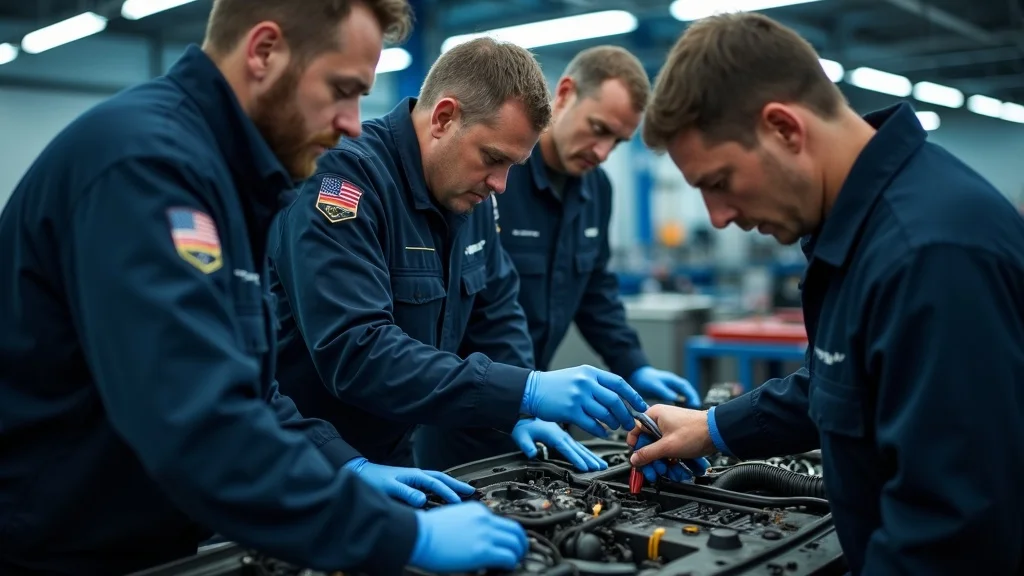
Automotive employer education: veterans and instructors collaborating in hands-on auto workshop training

Key Takeaways: Unlock Success through Automotive Employer Education Today

  • Dispelling myths about veterans' automotive career skills opens leadership opportunities.
  • Proactive collaboration between industry and military transition programs is essential.
  • Veterans in Automotive events create vital bridges for communication and recruitment.
  • Strategic employer education enhances veteran integration and helps tap disciplined talent.
  • Utilizing military and government training resources optimizes workforce growth.

Automotive employer education: veteran in leadership, collaborative automotive team environment

Take Action: Empower Your Hiring through Automotive Employer Education

“Our mission at Veterans in Automotive is to create a welcoming environment where veterans and automotive employers can connect and thrive together.” — Katie Lamphere, Veterans In Automotive

Connect with Veterans in Automotive Today

Ready to shift from intent to impact? The next wave of innovation in automotive employer education begins with action. According to Katie Lamphere, automotive leaders who proactively build bridges to the military community not only future-proof their workforce, but cultivate loyalty, leadership, and real competitive edge.

Make 2026 the year your organization becomes a destination for veteran talent:

  • Attend annual Veterans in Automotive events to discover top veteran talent.
  • Engage in specialized employer education programs to enhance recruitment strategies.
  • Leverage government and military training partnerships to boost workforce readiness.
  • Support inclusion initiatives that value veteran leadership and skills in automotive.
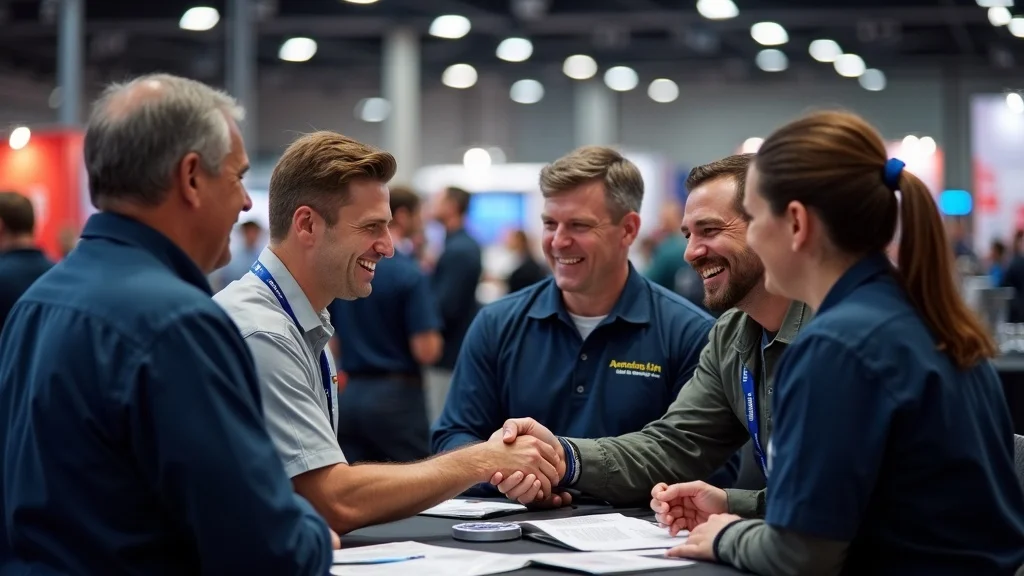
Automotive employer education: veterans meeting recruiters at automotive career fair event

Unlocking success with automotive employer education isn’t just about meeting hiring goals—it's about reshaping the culture and future of the auto industry. Katie Lamphere’s model, forged through Veterans In Automotive, shows that real transformation happens through deliberate employer education, early and ongoing military engagement, and a relentless focus on value-driven inclusion. For more on how to connect, sponsor, or participate, visit VeteransInAutomotive. com or call (954) 242-0433. Don’t wait—make veterans a cornerstone of your workforce strategy today.

To further enhance your understanding of automotive employer education and its impact on workforce development, consider exploring the following resources: The ASE Education Foundation’s Student Career Development program offers a structured pathway for students into the automotive service industry, emphasizing collaboration between educators and employers to prepare career-ready technicians. (aseeducationfoundation. org) The EV Jobs Academy in Michigan is an employer-led initiative that identifies skill needs and develops credentialing programs to meet the growing demand for electric vehicle professionals, showcasing a proactive approach to workforce education. (michigan. gov) These resources provide valuable insights into effective strategies for integrating education and industry needs, which can be instrumental in enhancing veteran hiring practices and overall workforce development in the automotive sector.

Voices in Tech

0 Comments

Write A Comment

*
*
Please complete the captcha to submit your comment.
Related Posts All Posts
04.18.2026

Will AI Start a Cambrian Explosion in Robotics? Insights from Quan Vang

Update The Robots Are Coming: A New Era for Robotics with AI Have we reached a breakthrough moment in robotics akin to the GPT shift for artificial intelligence? Based on insights from a recent podcast featuring Quan Vang, co-founder of Physical Intelligence, it seems we are on the cusp of a technological explosion within this sector. Vang explains that a decrease in the costs associated with launching robotic businesses, paired with rapidly advancing AI capabilities, is setting the stage for a robotics revolution.In 'The GPT Moment for Robotics Is Here,' the discussion dives into the implications of AI advancements on the robotics field, exploring key insights that sparked deeper analysis on our end. Understanding the Shifting Landscape: Lower Barriers to Entry The discussion emphasizes that the complexity once associated with robotics is no longer a formidable barrier. Vang argues that the original challenges surrounding data collection and financial investment have waned, allowing start-ups to emerge with a focus on specialized, manageable tasks. The core principles are simpler: understanding existing workflows, harnessing cheaper hardware, and collecting pertinent data to optimize robotic performance. The Role of AI in Pioneering Robotic Innovation At the heart of these advancements lies AI's transformative role in robotics. The integration of language models can now facilitate planning, enabling robots to perform tasks they previously could not comprehend. Vang cites successful projects, such as RT2, where robots demonstrated an ability to pick and move objects based solely on semantic understanding provided by AI. A Cambrian Explosion on the Horizon: The Future of Robotics With affordable technology at their disposal, innovators are prepared to deploy robots across a myriad of industries, from logistics to household tasks. Vang predicts a massive influx of vertical robotics firms will emerge, each designed to tackle simpler, more efficient workflows. This potential boom mirrors the historical explosion of personal computing. Success Story: Robots Folding Laundry and More A fascinating example discussed is the collaboration between Physical Intelligence and Weave, where AI-powered robots are achieving remarkable results—like folding laundry in a laundromat. Such tasks, traditionally seen as a struggle for robots, are now turning into achievable goals, showcasing the strides being made in this field. Challenges Ahead: The Data and Control Problem Despite these advancements, challenges remain. Vang notes that the intricate issues related to real-time robot operations and diverse data capturing habits must still be addressed. Insufficient datasets, often hard to generate in robotics, pose a persistent hurdle, as real-world environments are so varied. Developing AI models capable of comprehensive understanding and interaction remains central to solving these problems. The Importance of Collaboration in Robotics The power of collaboration within the robotics community is underscored. Vang acknowledges the multitude of researchers, engineers, and startups contributing to a shared knowledge base that accelerates advancements and reduces duplication of efforts. By integrating various players, the path to innovation becomes smoother, and each new contribution builds upon prior work. Advice for Aspiring Robotics Entrepreneurs For those interested in the field, Vang offers valuable guidance: focus on identifying meaningful problems that robots can address. It is essential to think about how a robot can fit into workflows to enhance efficiency. Moreover, with the current technology ecosystem being more accessible, this is a prime time to engage with robotics. Conclusion: A Future Where Robots Thrive The conversation about robotics underscored not just a hint of optimism but a robust framework for future development. As AI technology progresses, so too will the capabilities and opportunities within the robotics industry. Those prepared to step into this evolving landscape stand to benefit tremendously. The excitement and potential for impact are palpable. If you're intrigued by these developments in robotics and AI, consider exploring educational pathways or engaging with the robotics community. The future is unfolding before us, offering unprecedented opportunities to shape a world where robots enhance our daily lives.

04.17.2026

The Future of Work: How AI is Reshaping the Job Market for Young Workers

Update How AI is Changing the Job Landscape for Young Workers In recent discussions about the future of work, AI's impact on employment is a dominant theme, particularly for young workers entering the job market. Bharat Chandra, an economist at the Stanford Digital Economy Lab, highlights concerning trends: jobs that are heavily exposed to AI technologies are showing 16% slower employment growth for younger employees. Chandra's research reveals critical insights from the tracking of millions of workers, illustrating that AI isn't just a passing trend but a structural change that is reshaping employment opportunities.In 'AI Is Killing the Career Ladder. A Stanford Economist Explains What Comes Next', the discussion dives into the effects of AI on the workforce, particularly for younger workers, exploring key insights that sparked deeper analysis on our end. Understanding the Career Lattice vs. Career Ladder Traditionally, we have understood career progression as a ladder where one climbs steadily upwards. However, Chandra proposes a more dynamic model: the career lattice. This framework allows for lateral moves and diversification of skills, enabling workers to adapt more easily to the rapid changes brought about by AI. This shift underscores the necessity for educational institutions to evolve, ensuring they prepare young people not just for current job demands, but for a fluid job market where job roles can change significantly over time. The Role of Education in Adapting to AI With AI poised to revolutionize the workplace, education must adapt to include strategic thinking and social interaction alongside technical skills. Chandra argues that traditional methods of learning often focus on book knowledge, overlooking the importance of experiential and tacit knowledge that is best acquired on the job. By enhancing educational practices, we can help students develop critical skills that make them competitive in an AI-dominated workforce. Job Exposure: AI vs. Traditional Employment Chandra’s analysis reveals that jobs less exposed to AI, such as those in transportation and construction, continue to show growth. In contrast, positions like software development and administrative roles, which are susceptible to automation, are facing declines in job creation. This highlights a divide in the labor market: young workers entering high-exposure roles must navigate a more challenging landscape than their predecessors, who benefited from more stable job growth. The Need for a New Approach to Workforce Development Despite the promising capabilities of AI to facilitate learning and enhance productivity, there is a gap in how companies manage and invest in young talent. Many firms hesitate to train young workers extensively, fearing they will quickly leave for better opportunities. This mismatch presents a challenge in cultivating a workforce that is equipped to thrive amidst emerging technologies. Long-Term Implications of AI on Employment The long-term impact of AI on employment remains uncertain. Chandra warns that without careful monitoring, we could witness lasting changes that further exacerbate existing inequalities in the job market. On one hand, AI could reduce barriers to entry, allowing individuals to perform tasks that were previously reserved for highly educated workers. Conversely, it could amplify the importance of strategic and social skills, potentially widening the gap between those who possess them and those who do not. Strategies for Success in an AI-Driven World As we usher in this new era, young workers are advised to embrace AI tools and learn how to collaborate with them effectively. Chandra encourages students and early-career professionals to build their capabilities in strategic thinking and problem-solving. This proactive approach will not only prepare them for immediate challenges but will also equip them to adapt as the job market continues to evolve. Conclusion The future of work may look daunting, but it also brims with opportunities for those willing to adapt. As AI transforms the landscape, the vision of a career lattice could offer a more flexible and inclusive path to success. This evolution necessitates a systemic shift in educational practices, workforce training, and corporate strategies to ensure that all workers, especially the young, can thrive in a redefined professional ecosystem.

04.10.2026

Upsize Microsoft Access to SQL Server for Phoenix Companies

For rapidly growing manufacturing companies in Phoenix, an outdated Microsoft Access database can quickly become a roadblock to progress, raising the risk of data corruption, slowing business operations, and threatening compliance. Recognizing when to upsize Access SQL Server and understanding how to do so efficiently is a pivotal step in future-proofing your business.As Alison Balter - a recognized Microsoft Certified Partner, author of over 15 books on Access and SQL Server, Principal Microsoft Access programmer for Phoenix, AZ, and the driving force behind MS Access Solutions - explains, companies have much to gain from proactive database upsizing strategies. Let’s explore Alison’s expert roadmap, insights, and real-world success stories that highlight the essential transition from Access to SQL Server for Phoenix’s leading manufacturers.Alison Balter's Expert Advice: Why Phoenix Manufacturing Companies Must Upsize Access SQL Server Sooner"The faster or sooner that they move, the less downtime that they're going to have as well as they’re going to have fewer headaches during the process." — Alison Balter, MS Access SolutionsAccording to Alison Balter, many Phoenix businesses are blindsided by just how quickly data volumes and user demands can outgrow an Access database. As operational demands climb, so too does the threat of system slowdowns, data corruption, and inconvenient downtime. Alison draws a hard line: the time to plan your upsize Access SQL Server move is well before a crisis hits. “By being proactive,” Alison notes, “companies avoid costly downtime and headaches that are inevitable when you wait until the system is failing. ”Such forward-thinking pragmatism is why Alison is trusted by leading Phoenix manufacturers to chart their upgrade paths. She continually reminds clients: “The sooner you begin, the smoother it will be. You want to plan ahead, not react under duress. ” Her authority is rooted in decades of hands-on database engineering, training, and successful migrations, making her an essential voice for IT managers and owners concerned about scale and security.Key Signs Your Manufacturing Database Needs to Upsize Access SQL Server"When companies grow rapidly and have more users and data, their Access databases risk corruption and slowing down, hitting a point where repair is no longer possible." — Alison Balter, MS Access SolutionsIf you’re a Phoenix-based manufacturer seeing surges in team size or increased client workloads, your Access database may already be under strain. Alison Balter emphasizes that with rapid growth, the performance issues escalate: “Once you’re juggling more users, it becomes a matter of time before the access application slows, corrupts, and becomes irreparable. Access’s limitations quickly become business-wide liabilities. ” This is especially urgent for sectors, such as hospitals or non-profits, where confidential data and regulatory requirements (like HIPAA compliance) must not be compromised.Recognizing the warning signs is crucial. Alison underscores that putting off the transition can amplify disruption: “When you wait until the database fails, you’re forced to re-engineer under pressure, which is expensive and operationally risky. ” She guides businesses to act on early signals, ensuring continuous scalability and security while keeping operational risk—and IT stress—at bay.Increased database corruption risk with growthApplication performance degradationNeed for HIPAA compliance or enhanced securityScaling user count without performance hitsTransforming Performance and Security: A Phoenix Manufacturer’s Upsizing Success Story"After converting to SQL Server, the system ran much faster, allowed secure data access, and supported remote employees globally via Microsoft SQL Azure." — Alison Balter, MS Access SolutionsAlison Balter’s expertise in database migration is best illustrated through the journey of a Phoenix manufacturing client facing explosive international growth. “They were dealing with increasing performance issues, sensitive data, and more remote staff than ever before,” Alison recalls. The solution? Upsize Access SQL Server and leverage Microsoft SQL Azure, transforming their business into an agile, secure, and globally accessible operation.The results were profound. Not only did their operations experience a significant speed boost, but their sensitive data remained secure and compliant with industry standards. “Now, they add users from anywhere in the world without fear of system slowdowns or data loss,” Alison highlights. This shift wasn’t just a technical move—it was a business enabler, letting the company serve employees in their homes globally, thanks to cloud power.Why SQL Server and Cloud Integration Matter for International Manufacturing BusinessesImproved system speed and stabilityEnhanced data security meeting compliance needsSeamless access for global remote workforceScalable user base without disruptionsStrategic Development: Building Microsoft Access Applications Ready for SQL Server Upsizing"Building Access databases with the SQL Server upgrade path in mind saves time and money later and avoids a costly redesign." — Alison Balter, MS Access SolutionsAlison Balter asserts that the smartest manufacturing leaders design their data solutions with scale from day one. “If the application wasn’t built for SQL Server from the start, migration will be costlier and more disruptive,” she cautions. Instead, Alison’s approach anticipates future upsizing, weaving SQL Server readiness into every custom Access solution. This future-proofs the application, preserves data integrity, and minimizes changes needed as the company grows.According to Alison, careful forethought in the design phase pays major dividends: “Applications developed with scalability in mind are easier—and less expensive—to upgrade. This ensures that when the time comes, your critical business processes stay online and uninterrupted. ” Under her guidance, companies not only avoid future technical pitfalls but also empower their teams to handle more data, more users, and more complex operations as needed.Customizing Database Solutions to Fit Unique Manufacturing ProcessesDesigning for future growth and upsizing possibilitiesEnsuring optimum performance and data integrityTailoring applications to industry-specific workflowsAvoiding common pitfalls that cause corruptionCrucial Takeaways for Phoenix Business Owners and IT Managers Considering Database Upsizing"Don’t wait until database corruption or performance failures force you to upsize. Plan proactively with expert help to minimize downtime and costs." — Alison Balter, MS Access SolutionsDrawing from years of hands-on migration projects, Alison Balter’s advice is clear: business leaders who proactively plan to upsize Access SQL Server set themselves up for success. Alison frequently encounters Phoenix companies that waited too long, facing both financial and operational pain: “Delaying until failure is far more costly than a proactive strategy, especially where sensitive manufacturing data and compliance issues are at stake. ”Her blueprint for a seamless upgrade starts with a careful assessment and continues with an expert-led migration—with the goal of no business disruption and total data integrity. With Alison’s unmatched credentials, the guidance below provides a logical action plan for owners and IT managers ready to future-proof their operations:Assess your current Access database for growth bottlenecksEvaluate security and compliance needsPartner with a Microsoft Access and SQL Server expert earlyPlan and execute upsizing before critical failures occurSummary: Future-Proof Your Manufacturing Database with Proactive Access SQL Server UpsizingUpsizing early limits downtime and costly redesignsSQL Server offers superior speed, security, and scalabilityCustomized solutions ensure alignment with manufacturing needsRemote and global workforce access enabled through cloud integrationNext Step: Get Expert Assistance for Your Microsoft Access Upsizing ProjectIn the rapidly evolving Phoenix manufacturing sector, waiting for a database failure before acting can cost your company dearly. Draw on the deep expertise of Alison Balter and MS Access Solutions to safeguard your growth, optimize performance, and empower your teams—wherever in the world they work.Contact Alison Balter today at (323) 285-0939 for a database assessment and a risk-free consultation. Take the proactive step to upsize your Access SQL Server, and protect your business for tomorrow’s challenges.

Terms of Service

Privacy Policy

Core Modal Title

Sorry, no results found

You Might Find These Articles Interesting

T
Please Check Your Email
We Will Be Following Up Shortly
*
*
*