

Tech Life Journal
update
Tech Life Journal 
update
  • Home
  • Categories
    • Innovation
    • Digital Tools
    • Smart Living
    • Health Tech
    • Gear Review
    • Digital Life
    • Tech Travel
    • Voices in Tech
  • Featured
April 05.2026
1 Minute Read

Unlock the Magic of Service Retention Strategies Now

Professional automotive service advisor greeting customers – boosting service retention strategies by delivering superior customer interactions in a modern dealership environment.

Michael Barich's Core Thesis: Prioritize Customer Convenience to Revolutionize Service Retention Strategies

Dealers mistakenly focus on convenience for themselves rather than what's truly convenient for the customer. – Michael Barich, The Fixed Ops Doc

When it comes to service retention strategies, few experts understand the nuances better than Michael Barich of The Fixed Ops Doc. With a consulting pedigree specializing in optimizing automotive dealership service departments, Barich is quick to shatter a persistent industry misconception: many dealerships believe that just offering quality and affordable repairs will guarantee customer loyalty. But, as Barich emphasizes, the real competitive advantage lies in convenience tailored to the customer—not the dealership.

According to Barich, too many dealers inadvertently view service schedules from an internal lens, structuring operations around what works best for their team instead of what works for the client. This subtle misalignment creates friction and harms long-term loyalty, stunting opportunities for repeated business. By shifting focus to the customer's experience—making service genuinely accessible, timely, and respectful of their schedule—dealerships not only improve satisfaction but drive the kind of repeat business that sustains and grows a service department.

The Impact of Respecting Customer Time on Loyalty and Long-Term Dealership Success

Providing quality service at an affordable price starts with respecting the customer's time as much as the service itself. – Michael Barich, The Fixed Ops Doc

Building on his core thesis, Barich highlights a critical but often underestimated component of effective service retention strategies: time management. Every extra minute a customer spends waiting chips away at their satisfaction and, more dangerously, at their trust. Dealers who fall into the trap of “this is how we’ve always done it” justify long waits and slow processes, normalizing inefficiency rather than challenging it. Barich urges fixed ops leaders to ask: “What if respecting customer time was treated as a pillar of our value proposition, not an afterthought?”

The answer, Barich asserts, is transformative. When dealerships consistently deliver routine services—such as oil changes and tire rotations—within a clearly promised and efficient timeframe (such as 60 minutes or less), they anchor their reputation in reliability. This consistency isn’t just about pleasing the customer in the moment; it establishes a powerful precedent for repeat visits. As proven by dealerships that embrace this approach, customers start to anticipate and value the dealership not just for service quality or price, but for a seamless process that fits their busy lives. Timeliness, therefore, becomes a key loyalty driver.

Why Speed and Efficiency Are Critical Components of Effective Service Retention Strategies
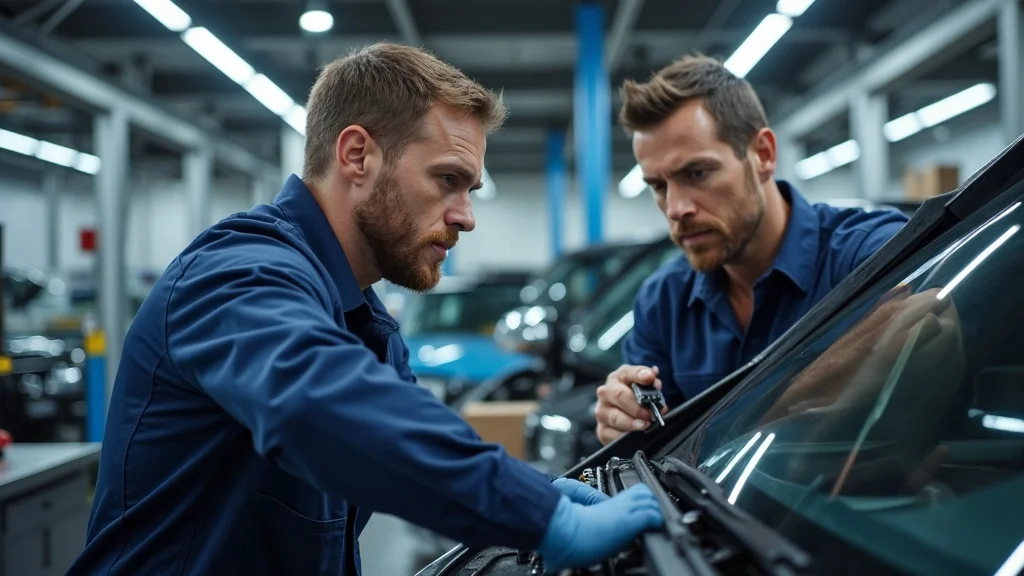
Dynamic dealership service bay showcasing express technicians boosting service retention strategies by working efficiently on vehicle maintenance tasks.

According to Barich, the real breakthrough for dealerships comes when they embed speed and efficiency at every point of the service journey. “Customers should never feel punished for choosing your dealership for routine service,” he explains. This makes streamlined processes a non-negotiable—especially for express maintenance tasks. When every minute counts, each workflow step must be scrutinized and optimized: from vehicle check-in to multi-point inspection to final handoff.

The benefits of speed are twofold. First, customers experience heightened satisfaction because their valuable time is visibly respected. Second, the dealership’s internal operations become more productive—allowing for increased throughput without additional resources. Research consistently demonstrates that customers rewarded with fast, reliable service are far more likely to return, leave positive reviews, and refer others. Barich’s perspective is clear: “Efficiency isn’t just about numbers. It’s about becoming the obvious, hassle-free choice for today’s busy consumers. ”

Express Maintenance Schemes: Doubling Technicians to Triple Service Capacity

By switching to a 2-technician express maintenance team, one service bay can process three cars per hour without sacrificing quality. – Michael Barich, The Fixed Ops Doc

One of Barich’s cornerstone recommendations is the adoption of express maintenance teams. Traditionally, a single technician handles routine service, but by pairing two skilled team members and standardizing processes, dealerships elevate their capacity exponentially. With expert coordination, the same bay can now handle multiple vehicles in the time it once took for just one—without diminishing quality or oversight.

Barich describes this evolution as a “mathematical certainty” that delivers measureable ROI: “When one stall processes three cars per hour rather than one, you can’t refute the impact on revenue and customer satisfaction. ” Redundant quality checks—including re-torqueing, fluid inspections, and secure drain plug checks—ensure every customer receives fast and reliable service. The dealership, meanwhile, benefits from higher throughput, more loyal clients, and better staff engagement as teams collaborate to achieve shared success.

  • Key Benefits of Express Maintenance: Faster Turnaround, Higher Customer Satisfaction
  • Operational Redundancies That Ensure Service Quality: Re-torqueing, Fluid Inspections, Drain Plug Checks
  • Measurable ROI From Increased Service Throughput
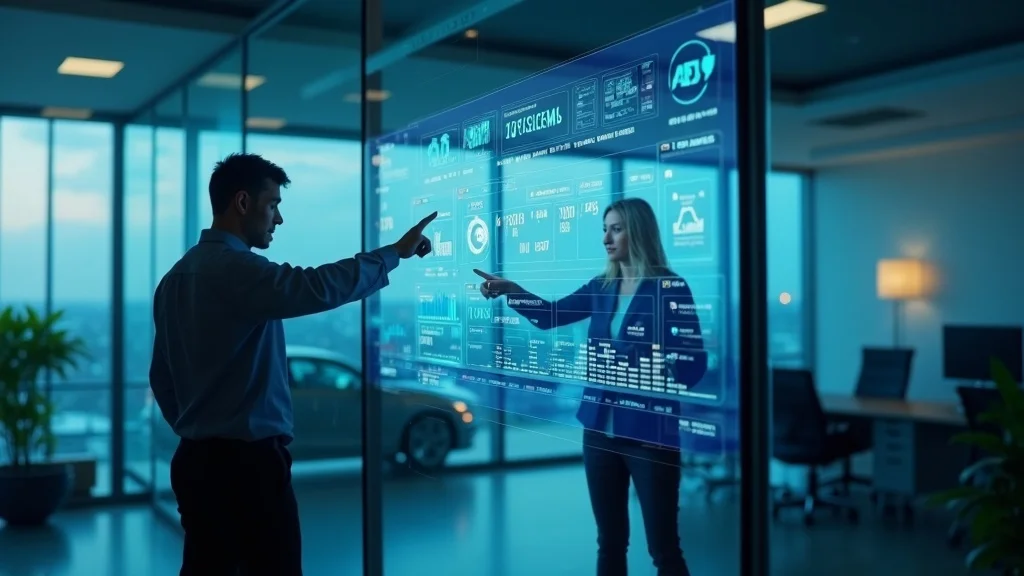
Modern data dashboard displaying dealership service retention strategies metrics and KPIs, highlighting operational improvements and customer loyalty results.

Key Takeaway for Dealerships: Transparency and Timeliness Drive Customer Return Rates

Be transparent and emphasize respect for the customer’s time if you want them to come back and see you again. – Michael Barich, The Fixed Ops Doc

If Barich had only one message for service managers, general managers, and dealer principals, it would be this: Transparency and timeliness are your biggest levers for earning return business. Customers today are well-informed and quick to sense when their needs are sidelined. When a dealership is upfront about service timelines, keeps the customer informed at every stage, and reliably delivers on promises, the likelihood of a repeat visit soars.

According to Barich, transparent communication sets dealership leaders apart in a crowded field. Every customer who leaves on time, feeling prioritized rather than marginalized, becomes a potential brand ambassador rather than a flight risk. Modern dealerships must monitor service duration metrics, constantly refining their processes to close the gap between expectation and reality. This vigilance converts operational efficiency into a sustained competitive advantage, with data consistently backing up increases in both satisfaction and retention.

Implementing Service Retention Strategies That Actually Work: Practical Steps for Fixed Operations Leaders

  • Adopt express service models focusing on speed without quality compromises
  • Train technicians on redundant quality checks to maintain service excellence
  • Communicate clearly with customers about service timelines and processes
  • Monitor service duration metrics and continuously optimize workflow

Background and Extra Insights: Common Misconceptions and Opportunities in Service Retention

Automotive service manager leading a team meeting to discuss service retention strategies and identify operational improvements.

Even seasoned automotive groups can miss the mark on service retention strategies. As Barich observes, “The most damaging misconception is thinking that strong pricing and decent service quality alone guarantee loyalty. But if customers’ schedules are not respected, even the best repair or deal won’t bring them back. ” The reality is that in today’s market, time is as vital a currency as money or quality.

According to Barich, the industry’s biggest opportunity lies in leveraging data to expose bottlenecks and drive continuous improvement. When you identify sticking points in workflow and correct them, timely service delivery follows. Moreover, there’s a clear link—supported by nationwide trends—between implementing express service processes and seeing measurable increases in repeat visits. Automotive leaders who make this connection, and invest in both people and process, are now seeing their loyalty scores and profitability surge above industry averages.

  • Misconception: Customer loyalty is guaranteed if pricing and service quality are good — ignoring time management harms retention.
  • Opportunity: Using data-driven approaches to pinpoint bottlenecks enhances timely service delivery.
  • Industry Insight: Dealerships implementing express service have seen measurable increases in repeat business.

Conclusion: Transform Your Service Department Into a Loyalty Powerhouse with Expert-Backed Strategies

Satisfied automotive service customer departing dealership after experiencing outstanding service retention strategies and timely delivery.
  • Respect customer time as a competitive advantage.
  • Leverage express maintenance to maximize operational efficiency.
  • Drive lasting loyalty through transparency and reliable service delivery.

Next Steps: Boost Your Service Retention Strategies Today

When dealerships commit to transparent, timely service, the payoff in customer loyalty and retention is undeniable. – Michael Barich, The Fixed Ops Doc

The transformative power of service retention lies in one simple premise: put customer convenience at the heart of your operation. According to Michael Barich, fast, transparent, and reliable service isn’t just a differentiator—it’s a mandate for dealerships aiming to maximize loyalty and fixed operations profit. Start by training your team, adopting express service models, and relentlessly measuring what matters. Build your future on the foundation of respect for your customer’s time. Ready to revolutionize your service department? Visit Fixed Ops Doc or call (708) 744-5425 to partner with Michael Barich and transform your retention strategy into your greatest competitive edge.

Smart Living

0 Comments

Write A Comment

*
*
Please complete the captcha to submit your comment.
Related Posts All Posts
05.20.2026

Why Building a Multi-Gig Home Network Matters in 2026

Update Understanding Multi-Gig Networks: A Practical Guide As more households embrace smart technology and an increasing number of devices connect to the internet, it's becoming crucial to upgrade our home networks. Multi-gig networks, specifically with 2.5GbE (2.5 Gigabit Ethernet), allow for faster data transfers and improved connectivity. However, not every household needs this upgrade immediately, and unnecessary expenses can pile up without strategic planning. Understanding your network's bottleneck is vital before making any upgrades. Identifying Your Network's Bottleneck The first step in optimizing your home network is to identify its current limitations. Most networks face one of three bottlenecks: **Internet Bottleneck**: If your ISP only provides gigabit speeds or less, upgrading to multi-gig won't enhance your internet browsing experience. **Internal Network Bottleneck**: If you're transferring large files, running a NAS (Network Attached Storage), or setting up a homelab, the LAN speed becomes a key factor. This is where multi-gig speeds could be beneficial. **Wi-Fi Bottleneck**: Many homes experience issues with Wi-Fi coverage and signal quality. Without improving the physical setup, upgrading to multi-gig won't resolve problems with dead zones or weak signals. Building a Strong Foundation with the Right Core Your router or firewall serves as the backbone of your multi-gig network. Without a suitable core, further investments in switches and devices may be wasted. Prioritize routers that support multi-gig WAN and LAN capabilities, ensuring that future equipment can leverage speed enhancements effectively. Selective Upgrading of Your Switching Layer When considering upgrades, don't rush to replace every switch in your network. Instead, focus on upgrading key components that require additional bandwidth. For example, you could add a single 2.5GbE switch solely for connecting your NAS and desktop, while keeping the remainder of your network running on gigabit connections. This targeted approach minimizes costs while maximizing benefits as you expand your network's capacity over time. Choosing Your Endpoints Wisely Investing in multi-gig capabilities for all home devices is neither practical nor necessary. Focus on high-priority devices such as: **NAS devices** **Primary desktop systems** **Homelab nodes** These devices will benefit from faster connectivity, while low-priority devices like streaming TVs and smart hubs can remain on gigabit connections. The Future of Networking: 10GbE Considerations Looking further ahead, many enthusiasts are already considering 10GbE networks. Prices for 10GbE equipment have made substantial drops, making it far more accessible than in the past. As multi-gig internet options become widespread and the number of devices using it grows, being equipped with 10GbE gear could save significant frustration in the future. However, transitioning directly to 10GbE isn't necessary for everyone right now; rather, a gradual introduction can help manage costs and logistics effectively. Understanding When 2.5GbE Makes Sense The question of whether 2.5GbE is necessary often boils down to usage patterns. If your household relies heavily on internal network traffic for purposes like running a NAS or transferring significant data amounts, the upgrade to 2.5GbE becomes more relevant. However, for average streaming and browsing needs, gigabit speeds are frequently sufficient. Conclusion: Plan Smart and Upgrade Wisely Opting for a gradual upgrade approach not only saves money but also allows you to adapt your home network to evolving demands. By planning for the future, you can integrate components that support higher speed standards, ensuring that you won't need to undertake a complete overhaul down the line. Whether you find yourself excited at the prospect of building your dream multi-gig network or simply aim to streamline your current setup, thoughtful planning is essential to avoid costly mistakes. Are you ready to optimize your home network? Stay informed about your options, and consider your usage patterns before diving into costly upgrades. With the right strategy, you can create a future-proof network that meets your needs without unnecessary expenditure.

05.19.2026

Choosing Between Kubuntu and Fedora KDE: Which Distro Suits You Best?

Update Understanding Your Options: Kubuntu vs. Fedora KDE Choosing the right Linux distribution can be daunting, especially among popular options like Kubuntu and Fedora KDE. Both leverage the beautiful and versatile KDE Plasma desktop environment, but differ significantly in their foundational approaches that might sway your decision. Whether you're a budding Linux user or have a bit of experience, understanding what each offers can help you select the best fit for your needs. The Foundation of Choice: Ubuntu vs. Fedora The backbone of Kubuntu is Ubuntu, renowned for its user-friendliness and large support community. It brings a familiar feel, particularly for users transitioning from Windows, thanks to its intuitive design and comprehensive documentation. Kubuntu packages this experience through KDE Plasma, combining Ubuntu's stability with the advanced features of the KDE environment, providing users both comfort and power. On the other hand, Fedora KDE spins from the cutting-edge Fedora distribution. It adopts a rolling release model, which means that users receive software updates more frequently and can work with the latest technologies earlier than they might on the traditional Ubuntu release cycle. What’s Under the Hood? Delving deeper, the package managers used by both distributions are a defining factor. Kubuntu relies on APT, known for its straightforward package management and vast repository of available software, including the convenience of Snap packages for universal applications. In contrast, Fedora KDE utilizes the DNF package manager, offering a slightly different experience, especially for those familiar with Fedora’s ecosystem. Regular updates in Kubuntu ensure a stable experience, while Fedora KDE often prioritizes newer software releases over stability, appealing to users who prefer the latest features and performance enhancements. Preinstalled Software: What You Get Out of the Box Both distributions ship with essential applications that cater to the general user. Kubuntu typically includes Firefox, LibreOffice, and other KDE utilities, providing a well-rounded starting point. Fedora KDE, however, tends to include more KDE-centric applications, allowing users to dive deeper into the KDE ecosystem right from installation. For instance, Fedora's default setup includes specialized applications like the Dragon Video Player, enhancing the KDE experience, whereas Kubuntu leans toward more neutral applications like VLC. The Experience: Look and Feel A visual comparison reveals that while both distributions utilize KDE Plasma, there are subtle design differences. Kubuntu presents a more traditional appearance, reminiscent of older Windows operating systems, while Fedora KDE offers a more modern look, with floating panels and contemporary iconography contributing to a stylish accessibility. This aesthetic choice can be significant for new users, as a modern interface can enhance usability and comfort during the learning phase of Linux usage. Performance Insights: Speed vs. Stability Many reviews highlight the performance edge that Fedora KDE has over Kubuntu, particularly in speed and responsiveness. Fedora’s commitment to using more recent kernels provides faster performance, although Kubuntu's more stable release might be preferable for users who value reliability in everyday tasks. In application installation, Kubuntu shines with its robust repository options and the ease of managing software installations compared to Fedora's reliance on enabling Flatpak support for additional software access. Who Should Choose What? The decision between Kubuntu and Fedora KDE often hinges on experience and preferences. Beginners are generally advised to start with Kubuntu due to its user-friendly interface and comprehensive support. More experienced users, however, might find Fedora KDE to be the better option with its modern design, better performance, and access to the latest KDE features. In conclusion, both Kubuntu and Fedora KDE are excellent choices for anyone interested in KDE Plasma. Your preference will depend on the foundational philosophies of Ubuntu versus Fedora, the importance of a stable versus cutting-edge experience, and how much you value a tailored KDE experience versus a broader range of applications. As you weigh your options, consider trying both distributions to see which resonates best with your workflow and preferences. The beauty of open-source software is that you can customize your experience to suit your individual needs.

05.18.2026

Comparing Bose Lifestyle Ultra and Sonos Era 100: Which Smart Speaker Is Best?

Update Comparing Bose Lifestyle Ultra and Sonos Era 100: Which Smart Speaker Is Best for You? Smart speakers have become essential in today’s digital homes, and as they proliferate, consumers face tough decisions when choosing between models. Recently, I assessed two standout options: the Bose Lifestyle Ultra Speaker and the Sonos Era 100. With distinctive features and capabilities, each caters to different user preferences. Here's a comprehensive comparison to help you choose. Smart Ecosystems and Compatibility When examining smart speakers, ecosystem integration is key. Sonos has long been celebrated for its robust multi-room audio system, designed to flow seamlessly between rooms and connect effortlessly with existing setups. In contrast, the Bose Lifestyle Ultra Speaker is tailored for those with Android devices, featuring built-in Google Cast, a coveted advantage for a mixed-device ecosystem. This compatibility allows music streaming directly from your smartphone, maintaining a straightforward user experience. Design and Build Quality Both speakers boast attractive designs, but Bose introduces a more robust and portable option with the Lifestyle Ultra. Its sleek aesthetics and premium build suggest durability and longevity. Meanwhile, the Sonos Era 100 also prioritizes style, but it is predominantly designed for stationary use at home. For users who value portability, Bose might have the upper hand. Sound Quality: An Audiophile’s Delight Sound quality is where both speakers shine. The Bose Lifestyle Ultra provides astonishingly clear audio that fills spaces effortlessly—ideal for larger rooms or outdoor patios. Many users report the rich bass responses paired with crisp highs, ensuring every note is well balanced for a superior listening experience. In contrast, the Sonos Era 100 is renowned for its expansive soundstage, giving listeners a 360-degree audio experience that is particularly advantageous for parties and gatherings. Each speaker has its strengths, appealing to different audience tastes. Smart Features and Voice Control Options When it comes to smart assistant integration, the differences become pronounced. The Bose Lifestyle Ultra does not support Google Assistant or Amazon Alexa, relying instead on users to directly control audio through apps or streaming services. This distinct choice favors minimalists who prefer a less complicated user interface. Conversely, the Sonos Era 100 integrates smoothly with both Amazon Alexa and Google Assistant, adding layers of functionality, such as voice commands for playlist management and smart home control, enriching the user experience. For those keen on hands-free operation, the Sonos speaker excels. Price and Value Proposition The Bose Lifestyle Ultra Speaker is priced at approximately $349—competitive for quality smart speakers. However, it’s essential to weigh that against the Sonos Era 100, often priced higher but with more extensive features, particularly for users wanting a comprehensive audio solution. Ultimately, prospective buyers should reflect on personal preferences: Are you looking for a speaker that excels in audio quality and design or one that offers complete smart home integration?_price considerations may skew your decision, but functionality should remain paramount. Your Decision Matters Choosing between the Bose Lifestyle Ultra Speaker and the Sonos Era 100 ultimately boils down to your audio needs and lifestyle. Consider where and how you’ll use the speaker, your technological preferences, and the features that resonate most with your habits. As smart speaker technology evolves, both Bose and Sonos continue to innovate, each presenting unique solutions to enhance your listening experience. Pick wisely, and let your sound journey begin.

Terms of Service

Privacy Policy

Core Modal Title

Sorry, no results found

You Might Find These Articles Interesting

T
Please Check Your Email
We Will Be Following Up Shortly
*
*
*
