

Add Row
Add Element
Tech Life Journal
update
Tech Life Journal 
update
Add Element
  • Home
  • Categories
    • Innovation
    • Digital Tools
    • Smart Living
    • Health Tech
    • Gear Review
    • Digital Life
    • Tech Travel
    • Voices in Tech
  • Featured
May 30.2025
3 Minutes Read

Unlocking Virus Detection with New Bioluminescence Diagnostic Tool

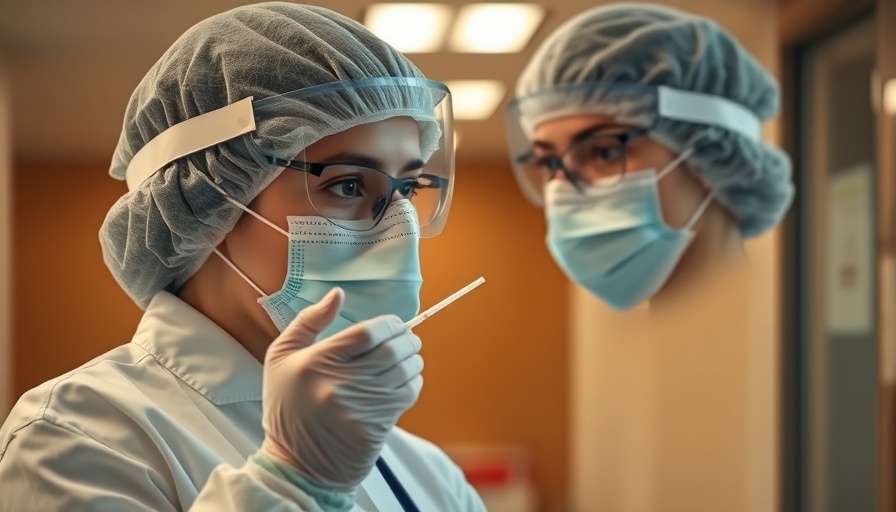
Health professional administering nasal swab, bioluminescence diagnostic tool for viruses.

Unveiling a Breakthrough in Virus Detection Technology

Imagine a future where diagnosing viral infections is as seamless as checking your blood sugar. Researchers at Mass General Brigham have taken significant strides toward this reality with the development of the Luminescence Cascade-based Sensor (LUCAS). This innovative diagnostic tool boasts a remarkable ability to generate bioluminescent signals that are not only exceptionally strong—up to 500 times more intense than previous technologies—but also sustain their luminosity for eight times longer. These enhancements could revolutionize the accuracy and efficiency of virus detection, ushering in effective point-of-care diagnostics.

A Response to Longstanding Challenges

The challenges of diagnosing viral infections in complex biological samples cannot be understated. As Dr. Hadi Shafiee articulates, identifying an HIV particle in a blood sample is like looking for an ice cube in a jelly-filled Olympic swimming pool while blindfolded. Current diagnostic methods often struggle with issues such as inaccuracy, poor sensitivity, and background noise. LUCAS aims to resolve these limitations, harnessing the natural bioluminescent potential derived from fireflies. By utilizing an innovative enzyme signal cascade, LUCAS extends the lifespan of bioluminescence in diagnostic applications, effectively marking viral particles with a bright, prolonged glow.

Innovative Enzyme Cascade: How LUCAS Works

The success of LUCAS lies in its unique enzyme cascade approach. This mechanism introduces beta-galactosidase to facilitate the continuous release of luciferin, the molecule responsible for producing light during the enzymatic reaction. In simpler terms, while traditional methods allow luciferin to react once, LUCAS ensures that luciferin is continuously available for reaction. This innovative step results in a substantial boost in light production, allowing LUCAS to maintain **96%** light strength after an hour. Such advancements are crucial for real-time diagnostics, especially during outbreaks when quick and accurate results can save lives.

Transforming Point-of-Care Diagnostics for Everyone

As point-of-care diagnostics gain traction globally, the implications of developments like LUCAS become even more pressing. Many of us are familiar with devices that allow us to monitor health indicators—from glucose tests to rapid COVID-19 tests. Yet, the effectiveness of these tools heavily relies on their ability to deliver accurate and timely results. With LUCAS, health professionals and patients alike gain a powerful weapon against viral diseases, enabling proactive monitoring and timely intervention.

Looking Ahead: The Future of Bioluminescence in Healthcare

With the unveiling of LUCAS, the future of virus detection appears brighter than ever. As the world continues to tackle viral threats, the portability and efficiency of LUCAS could carve a path for widespread implementation in various healthcare settings, from hospitals to remote clinics. Furthermore, the success of LUCAS may inspire future advancements in bioluminescent technologies, venturing into new realms of medical diagnostics and perhaps even therapeutic applications.

In conclusion, the development of this diagnostic tool not only offers immediate benefits in combatting viral infections but also holds the potential for a transformative shift in how we approach healthcare diagnostics at large. This future underlines the importance of continued innovation in medical technology, emphasizing the necessity for swift, accurate, and reliable diagnostic treatments.

Health Tech

Write A Comment

*
*
Related Posts All Posts
12.08.2025

How DMK Enzyme Treatments Revolutionize Skin Care for Lasting Results

Update Unlock Radiant Skin with DMK Enzyme Treatment As the search for effective skincare solutions continues, DMK Enzyme Treatments are emerging as a front-runner in the field of skin health. Unlike conventional facials that merely scratch the surface, DMK enzyme treatments dive deeper by working with the skin’s biology for lasting results. This approach not only rejuvenates the skin externally but fosters internal healing, creating vibrant and youthful complexions. The Science Behind DMK Enzyme Therapy DMK, short for Danne Montague-King, developed a groundbreaking treatment in the 1960s that manipulated enzymes to align with the skin's natural processes. Central to this innovation is a method called reverse osmosis, which encourages increased circulation, oxygenation, and lymphatic drainage. The specialized enzymes act on skin cells in a way that promotes the release of toxins and dead cells while simultaneously enhancing nutrient delivery to energize cellular functions. Transforming Skin Health with the Plasmatic Effect A hallmark of DMK treatment is the plasmatic effect, which is achieved through a specific enzyme masque. This process spurs blood circulation, leading to detoxification, and nutrient infusion that visibly transforms the skin. Testimonials from clients reveal significant improvements, including reduced fine lines, wrinkles, and skin sagging, showcasing the efficacy of working from within. Addressing Common Skin Concerns DMK enzyme treatments are versatile, effectively tackling various skin issues. Whether you’re dealing with aging skin, acne, or hyperpigmentation, DMK has tailored solutions. The treatments normalize sebum production and strengthen the skin's defense system, making them suitable for even the most sensitive skin types. Clients have reported noticeable improvements in skin tone and texture, often within days of their first treatment. A Unique Treatment Experience Participating in a DMK session begins with a thorough skin analysis, ensuring that each treatment is personalized. Following cleansing, the enzyme masque is applied, during which clients experience a characteristic tightening sensation that signals the treatment's effectiveness. Each session not only reveals immediate results but also encourages ongoing cellular improvements for weeks to come. Beyond the Treatment Room: The Importance of Home Care To maximize the results from DMK treatments, a diligent home care regimen is vital. Utilizing DMK Home Prescriptives, clients continue to nurture their skin through pharmaceutical-grade products designed to support ongoing skin health. Custom regimes may involve balanced cleansers, effective serums, and protective SPFs that work synergistically with the professional treatments. Future Trends in Skincare with DMK As DMK continues to revolutionize skin health, its commitment to innovation remains steadfast. Future treatments like STEMZYME™ combine enzyme therapy with cutting-edge stem cell technology to further enhance cellular regeneration. With ongoing research and advancements, the potential for DMK treatments remains boundless, paving the way for more tailored and effective skincare solutions. Your Journey to Radiant Skin Begins Here As skincare enthusiasts, it’s time to embrace treatments that work holistically to improve not just the appearance of the skin but its overall health. DMK Enzyme Treatments offer a unique opportunity to unlock brighter, healthier, and younger-looking skin. Connect with a certified DMK esthetician today to embark on your journey to radiant skin—because the best version of your complexion is just a treatment away!

12.07.2025

Gene Therapies for Sickle Cell Disease and Beta Thalassemia: Real-World Insights from New Studies

Update The Expansion of Gene Therapy: A Promising Solution for Blood Disorders Recent findings from a study presented at the 67th ASH Annual Meeting have shed light on the real-world commercial implementation of gene therapies aimed at treating sickle cell disease and beta thalassemia. These two inherited disorders affect the hemoglobin in our blood, leading to serious health complications. Understanding how these gene therapies work not only holds great promise for patients but also highlights the importance of a coordinated approach to treatment delivery. Understanding the Impact of Sickle Cell Disease and Beta Thalassemia Sickle cell disease and beta thalassemia are both genetic conditions that result in ineffective hemoglobin production in red blood cells. Sickle cell disease causes cell rigidity and painful blockages within blood vessels, while beta thalassemia results in less functional hemoglobin, ultimately compromising oxygen transport. Current treatments can only manage symptoms, which is where innovative gene therapies come into play. By modifying a patient’s stem cells to produce functional hemoglobin, these therapies aim to deliver permanent solutions for these life-altering diseases. Insights from the GIST Study on Gene Therapies The GIST study analyzed data from 392 patients enrolled to receive two gene therapies: betibeglogene autotemcel, branded as Zynteglo, and lovotibeglogene autotemcel, known as Lyfgenia. Findings indicate that 29% of these patients have already received treatment, showcasing a growing demand for these therapies. Remarkably, a significant percentage of patients (72% for beti-cel and 76% for lovo-cel) were treated within a year of their initial enrollment—an encouraging sign for future scalability in treatment delivery. Facilitating Patient Access: Improvements Needed Despite the apparent efficacy of gene therapies, the study authors indicate the necessity for further improvements in treatment timelines. For instance, patients needed an average of 4.4 months from enrollment to stem cell collection, with delays commonly stemming from health and financial preparations. Furthermore, researchers identified operational differences affecting the overall delivery times, which underscores the need for a system-wide analysis to streamline processes and improve patient experience. Looking Ahead: Transforming Hemoglobin Disorders with Gene Therapy As the field evolves, the collaboration between patients, healthcare providers, drug manufacturers, and insurance payers will be vital in creating a cohesive framework for successful gene therapy implementation. Dr. Joanne Lager emphasizes the importance of this system-level coordination, reinforcing that the demand for one-time, durable gene therapies will only increase as we gain more clinical experience. Enhancing operational efficiencies could significantly reduce treatment pathways and elevate patient care, paving the way for further innovations in gene therapy. Conclusion The future of managing sickle cell disease and beta thalassemia looks brighter with ongoing advancements in gene therapies. As stakeholders work together toward optimizing delivery processes, we may see a transformative shift in how we treat blood disorders. These developments not only point to a potential for curing genetic diseases but also raise awareness of the considerable journey patients face in accessing these innovative treatments.

12.07.2025

Unlocking Gene Therapy: A New Hope for Sickle Cell Disease Patients

Update Understanding Gene Therapy’s Role in Rare Blood Disorders Gene therapy has emerged as a revolutionary frontier in treating genetic disorders, particularly for conditions like sickle cell disease and beta thalassemia. These blood disorders stem from mutations in hemoglobin that impede the body's ability to circulate oxygen, leading to severe health complications. The recent data presented at the 67th ASH Annual Meeting sheds light on the successful implementation of these therapies in a commercial setting, drawing on the experiences of over 392 patients in the U.S. Real-World Data and Implementation Challenges The GIST Study reveals critical insights into the timeline and processes surrounding the administration of gene therapies, such as beti-cel and lovo-cel, highlighting that 29% of enrolled patients have already received treatment. However, the journey to treatment isn't straightforward. With significant variation in the time required for stem cell collection and manufacturing processes, it is clear that operational improvements are essential for future deployments. "We’ve identified areas of opportunity to enhance the treatment journey for patients and providers," shared Dr. Lager, emphasizing the need for system-level coordination among healthcare stakeholders. The March of Progress in Sickle Cell Therapy Recent approvals of therapies like Casgevy and Lyfgenia by the FDA represent monumental steps forward in treating sickle cell disease. Casgevy, which utilizes innovative genome editing, has the potential to be life-changing for many suffering from recurrent vaso-occlusive crises associated with the disorder. These therapies not only provide promise for the future but have also initiated programs aimed at making these treatments more accessible, especially for underprivileged populations whom they can benefit the most. Lessons from Patient Experiences Personal narratives, such as that of Kyle, a young man who has recently benefited from gene therapy, underscore the transformative impact of these advancements. Kyle's experiences reflect the journey from despair under sickle cell disease to newfound hope and empowerment through treatment. His story exemplifies the significant life changes possible through access to modern treatments. The Need for Policy Change and Access Improvement While the clinical results are promising, the story does not end at therapy approval. The exorbitant costs associated with gene therapy, which can reach up to $3.1 million, pose a severe barrier to access. Advocates argue that without policies ensuring equitable access, many eligible patients, especially those from lower-income backgrounds, will be overlooked. Efforts by organizations and legislators to improve insurance coverage and enhance the efficacy of Medicaid for pediatric patients are steps in the right direction. What Comes Next in the World of Gene Therapy? As we look to the horizon, it’s essential to monitor ongoing clinical evaluations and studies aimed at optimizing the delivery of these groundbreaking therapies. The ultimate goal must be centered on creating a robust framework that not only brings innovative solutions to the market but also makes them available to every patient who needs them. Conclusion: Your Role in Advocacy The landscape of treatment for sickle cell disease and beta thalassemia is shifting rapidly with the emergence of gene therapies. These developments highlight the critical importance of advocacy in health policy to ensure that all patients gain access to the life-changing care they deserve. Engage with your community, share insights, and advocate for policies that support equitable access to these revolutionary treatments.

Terms of Service

Privacy Policy

Core Modal Title

Sorry, no results found

You Might Find These Articles Interesting

T
Please Check Your Email
We Will Be Following Up Shortly
*
*
*