

Curious about what are the pros and cons of a digital twin? Digital twin technology is reshaping how industries think, act, and plan—but with every leap forward comes new questions and tensions. In this article, you'll find honest answers and real experiences from trusted voices, moving beyond tech buzz to focus on clarity, community, and conscientious innovation. Let's dig in to help you decide how digital twins could impact your world.
What You'll Learn About Digital Twins
Gain a nuanced understanding of what digital twins are and why they matter
Explore the main advantages and emerging tensions surrounding digital twins
Hear directly from trusted voices in innovation and technology leadership
Discover recurring themes and concerns within communities using digital twins
Digital Twins at a Glance: Defining the Core Concept
Plain language explanation of what digital twins are
The evolution of digital twin technology—where did it start, how is it used now?
Key sectors: manufacturing, healthcare, urban planning, and more
A digital twin is a virtual representation of a physical object, system, or process. Imagine a living digital mirror that tracks real-time data and simulates changes as its physical counterpart evolves. Unlike static 3D models, digital twins are dynamic—they’re always “in conversation” with their real-world versions through sensors, analytics, and cloud platforms. This ability to connect digital data to ongoing realities unlocks rapid insight for decision-makers, engineers, and communities alike.
The concept began in advanced manufacturing—think airplane engines or industrial turbines—where the stakes of system failure are high. Now, digital twins have quickly become a cornerstone in sectors like healthcare (for patient monitoring or hospital operations), urban infrastructure (for city planning or disaster response), and energy (for optimizing wind farms or power grids). By capturing both the complexity and change of the real world, digital twins are increasingly relied upon for problem-solving at every scale—from a single machine to an entire city.

“A digital twin is not just a reflection; it’s an ongoing dialogue between the physical and digital—reshaping how we understand, maintain, and design our world.”
– Innovation Strategist
What Are the Pros and Cons of a Digital Twin? Exploring Benefits and Trade-Offs
The Pros: Unlocking Value Through Digital Twins
Enhanced data-driven decision making
Improved efficiency through simulation and scenario planning
Predictive maintenance and reduced downtime
Safer training and risk assessment environments
Enabling collaborative innovation across teams
Digital twins are gaining momentum because they turn data into action. By creating a real-time connection between physical assets and virtual models, organizations can analyze system performance, predict failures, and fine-tune operations before challenges escalate. For instance, manufacturers can run “what-if” scenarios on assembly lines, healthcare providers model patient flow to prevent bottlenecks, and city planners simulate disaster response—all with a virtual safety net.
This technology does more than offer control; it inspires confidence. Teams can collaborate across disciplines using one shared source of truth, whether they’re engineers, doctors, or civic leaders. Safer training environments allow newcomers to test reactions to crises without risk, and predictive maintenance means less downtime—saving both money and morale. These advantages are powering innovation from hospital wards to smart grids, making digital twins more than just a trend—they’re actively transforming stewardship in complex systems.
For organizations seeking to measure and sustain their progress with digital transformation, understanding the right metrics is crucial. You might find it valuable to explore the index that could determine your sustained success, which offers a practical framework for tracking ongoing performance and resilience in technology-driven environments.

“With digital twins, we don’t just react to issues—we anticipate and prevent them. That’s an evolution in stewardship.”
– Director of Operations, Urban Infrastructure
The Cons: Recognizing the Drawbacks and Tensions of Digital Twins
Technical complexity and required expertise
Data privacy and cybersecurity risks
High resource requirements for setup and maintenance
Potential for over-reliance on models vs. lived experience
Equity and accessibility: Who decides what’s represented, and who is left out?
But there’s no free lunch with innovation. Setting up a digital twin means wrangling sophisticated technology—integrating sensors, cloud data, and specialized software can demand significant time, skill, and investment. This complexity raises the bar for participation and sometimes limits access to tech-savvy or well-resourced organizations. As a result, there’s an ongoing risk that digital twins may amplify gaps between those with and without technical know-how or budget.
Security and ethical dilemmas also loom large. Since digital twins rely on live data streams, they become prime targets for cyberattacks or privacy leaks, especially when dealing with sensitive information like medical records or critical infrastructure. There’s also a subtler risk: over-reliance on digital models can distance teams from “on-the-ground” perspective, leading to blind spots or errors when the model doesn’t fully reflect messy, real-world complexity. Finally, questions about equity persist: who gets to shape, interpret, or benefit from the digital twin, and who might be invisible in the process?

“Technology promises a lot, but it can reinforce blind spots unless diverse voices shape its use.”
– Community Data Advocate
Pattern Recognition: Why Do Digital Twin Debates Keep Surfacing?
Exploring the recurring tensions: innovation versus caution, inclusion versus expertise
Community perspectives: How different sectors weigh the pros and cons
Long-term impact: What questions about trust and stewardship remain unsolved?
No matter how sophisticated the tech, the conversation around what are the pros and cons of a digital twin? keeps returning to familiar ground. Stakeholders wrestle with tensions: Is the pace of innovation running ahead of societal caution? Does exclusive expertise sideline the broader community, or can more people be meaningfully involved? Industries from healthcare to urban development differ in their answers, often reflecting their appetite for risk and need for reliability.
Long-term stewardship and trust are at the heart of the pattern. Communities want reassurance that decisions powered by digital twins are ethical, resilient, and just. Yet with new threats—hacks, information gaps, or systemic inequities—these tools demand ongoing vigilance. The debate endures because it’s not just about smart technology, but about who it serves, what is valued, and who gets to participate in shaping digital reality.
Tables: Summary of Major Pros and Cons of Digital Twins
Advantage |
Real-World Impact |
Challenge |
Sector Example |
|---|---|---|---|
Data-driven decision making |
Faster, evidence-based actions |
Technical complexity |
Urban public works (traffic control) |
Predictive maintenance |
Less downtime, lower costs |
Setup resource intensity |
Manufacturing (robotic assembly lines) |
Collaborative innovation |
Cross-team synergy |
Equity/representation gaps |
City planning (community engagement) |
Safer training environments |
Risk-free crisis simulations |
Potential over-reliance on models |
Healthcare (emergency response) |
Scenario planning |
Optimize future strategies |
Cybersecurity & privacy |
Energy (grid management) |
People Also Ask: Key Community Questions on Digital Twins
What are the downsides of digital twins?
Reviewing technological, ethical, and resource-based limitations
Highlighting case studies where digital twins posed unforeseen challenges
Digital twins come with a significant learning curve. The effort to synchronize physical operations with digital models often demands high levels of both expertise and initial investment, which may not be accessible to all. Ethical concerns are real: using digital twins in sensitive areas like healthcare raises questions about privacy and consent. In some case studies, organizations have found that “model-first” thinking can miss cultural and local insights, introducing errors that only show up after the fact. As with all tools, the right balance and boundaries are essential for safe and equitable use.
Is digital twin still relevant?
Assessing continued adoption in core industries
Spotlighting areas where digital twins have proved indispensable
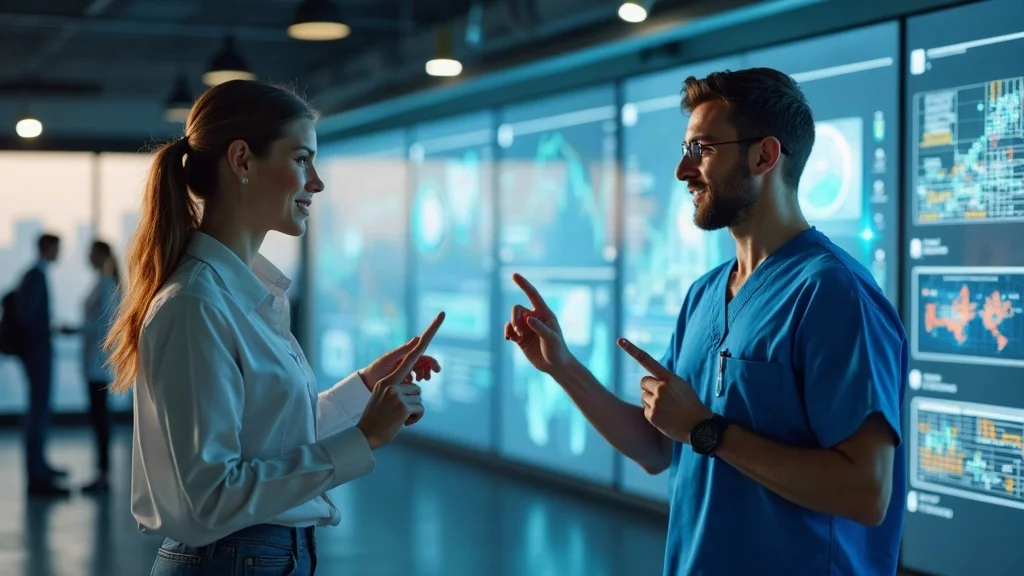
Yes, digital twins continue to be highly relevant, especially in sectors that require ongoing risk reduction, adaptability, and close monitoring—like healthcare, urban infrastructure, and high-value manufacturing. These industries depend on real-time insight and quick pivots, making digital twins an essential backbone for innovation and public safety. Use cases for sustainability, climate resilience, and personalized care have proved so compelling that, for many organizations, digital twins are not just “still relevant”—they’re increasingly foundational.
How much does a digital twin cost?
Understanding investment beyond dollars—time, training, infrastructure
Impact of scale and complexity on total cost of ownership (without naming pricing specifics)
The true cost of a digital twin extends beyond money. Organizations must consider the investment of time, training, and the need for robust infrastructure. The larger and more complex the system being modeled, the greater the commitment to ongoing data integration, cybersecurity, and user education. For smaller organizations, this can present a barrier; for larger ones, it becomes a question of how to scale responsibly, ensuring access and clear benefits for every stakeholder involved.
What is the point of a digital twin?
Clarifying the fundamental goals: insight, control, collaboration, stewardship
Examples: real-life digital twin deployments and outcomes
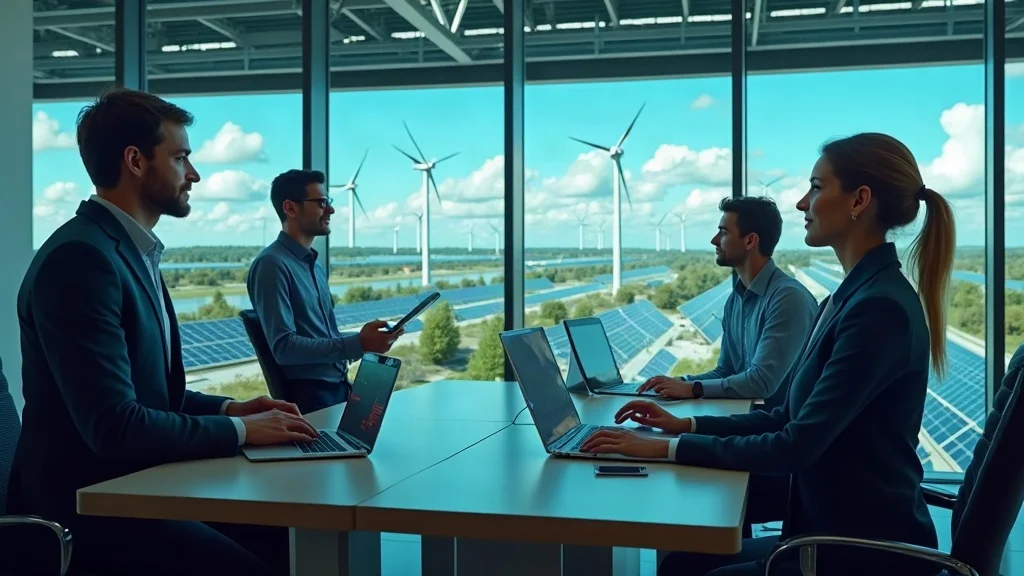
At its core, a digital twin helps people gain insight, retain control, encourage collaboration, and practice better stewardship over physical systems. In practical terms, this might mean a city using a twin to model flood response, a hospital using real-time patient monitoring to improve outcomes, or an energy company optimizing everything from wind farm output to grid safety. Each deployment is designed to enhance real-world impact, demonstrating the value of synchronized digital and physical management.
Short explainer video visually tracing how digital twins are applied in manufacturing, urban infrastructure, and healthcare, showing both digital models and real-world results — neutral narrator, upbeat background music, animated transitions, modern brand color overlays, and clean motion design emphasizing positive impact and diverse professionals.
FAQs: Navigating Uncertainties Around Digital Twins
How can organizations start with digital twins safely?
Begin with clear goals and a limited pilot using data practices that prioritize privacy and cybersecurity. Involve a multidisciplinary team—including community representatives—and seek out ongoing training. Thorough risk assessments and incremental rollout ensure a smoother, more inclusive experience.Are digital twins only for large enterprises?
While digital twins first took root in large-scale industries, new platforms, partnerships, and service models mean small and mid-sized organizations can also experiment and benefit. Choosing focused, well-defined pilot projects can lower barriers to entry.What are emerging alternatives to digital twin technology?
Alternatives include simulation-only models, visual analytics, and augmented reality integrations. While these tools offer valuable insights, digital twins’ unique ongoing, bi-directional connection to physical assets remains a unique advantage for many big-picture applications.
Expert Voices: Elevating Real-World Experience With Digital Twins
Mini-interview: Lead systems architect, manufacturing innovation: “Our biggest learning about digital twins was the value of involving operators early—the model only became powerful when everyone saw themselves reflected in it.”
Community organizer, civic tech initiatives: “People get excited when technology listens as much as it speaks. When digital twins shape city projects, local input isn’t just lip service.”
Data privacy consultant: security best practices: “Designing a digital twin safely means building in consent, robust encryption, and transparent data stewardship from the very start.”

Key Takeaways
Digital twins connect digital power to real-world stewardship, but raise profound questions about equity, trust, and human expertise
Community input and leadership diversity are essential for ethical, effective adoption
Pattern-aware, nuanced adoption is key to maximizing the benefits and minimizing the risks of digital twins
Further the Dialogue: Next Steps in Exploring Digital Twin Potential
Join a 15-minute virtual meeting for deeper discussion and shared learning: https://askchrisdaley.com
Schedule a 15 minute let me know further virtual meeting at https://askchrisdaley.com
Digital twins invite us to rethink what’s possible when the virtual and real intertwine. Their value is real—so are their risks. As the debate continues, the best path forward will be shaped not just by technology but by people, equity, and thoughtful stewardship.
If you’re interested in taking your understanding of digital transformation to the next level, consider how broader performance indicators can shape your organization’s future. Delving into the index that could determine your sustained success can provide a strategic lens for evaluating long-term impact, resilience, and adaptability in a rapidly evolving digital landscape. By integrating these insights with your approach to digital twins, you’ll be better equipped to foster sustainable growth and informed decision-making. Explore how aligning technology with meaningful metrics can unlock new opportunities for your team and community.





Write A Comment