Add Row
Add Element
Tech Life Journal
update
Tech Life Journal 
update
Add Element
  • Home
  • Categories
    • Innovation
    • Digital Tools
    • Smart Living
    • Health Tech
    • Gear Review
    • Digital Life
    • Tech Travel
    • Voices in Tech
  • Featured
May 28.2025
3 Minutes Read

Why Dell's Pro Max 18 Plus Is a Game-Changer for AI Tasks

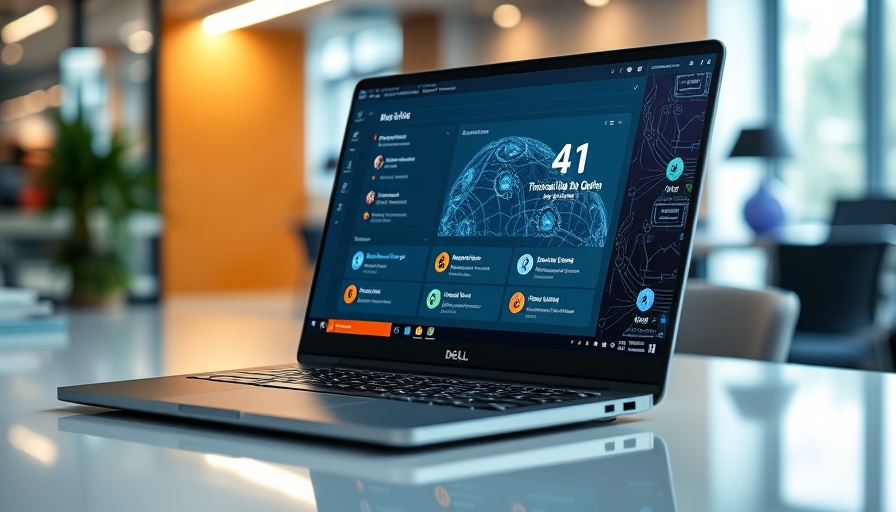
Dell Pro Max 18 Plus performing AI tasks in bright office setting

Revolutionizing AI Tasks: Dell's Ambitious Pro Max 18 Plus

At the recent Dell Technologies World conference in Las Vegas, a groundbreaking leap in mobile computing was unveiled: the Dell Pro Max 18 Plus. This innovative laptop is the first of its kind to incorporate Qualcomm's AI-100 inference card—an advanced coprocessor designed to handle artificial intelligence tasks without a hitch. With a massive 64GB of dedicated memory and an architecture designed for high performance, the Pro Max 18 Plus is redefining what users can expect from mobile workstations.

A Closer Look at the AI-100 Inference Card

The AI-100 inference card stands out with its two neural processing units (NPUs), providing an impressive 32 AI processing cores. This makes it possible for the Pro Max 18 Plus to execute large language models right on the device—an achievement that not only boosts efficiency but also enhances data privacy by minimizing dependency on cloud-based processing. In an era where data privacy concerns are paramount, Dell’s approach may just offer the perfect balance between performance and security.

The Power Behind the Pro Max: Processor and Memory Capabilities

Powered by Intel's latest "Arrow Lake" series processors, including the Core Ultra 9 285HX with its remarkable 24 cores, the Pro Max 18 Plus boasts Turbo Boost capabilities of up to 5.5GHz. Coupled with the option for up to 96GB of RAM and multiple storage drives, this laptop positions itself as a powerful alternative to traditional workstation towers. The impressive specifications not only provide speed and power but also versatility for users who require intensive computing tasks such as coding or machine learning.

Can the Pro Max 18 Plus Replace Traditional Servers?

With its formidable capabilities, a pertinent question arises: can the Pro Max 18 Plus replace or complement existing server technology? In many scenarios, the answer could well be yes. The ability to manage large datasets locally means that for many organizations, this device could serve not just as a mobile workstation but also as an efficient solution for specific data processing needs. This could dramatically reduce the reliance on bulky server setups, making it an attractive option for tech-savvy professionals.

Real-World Applications of AI in Computing

The practical implications of such technology are immense. For instance, one demonstration showcased how the Pro Max 18 Plus can facilitate AI-powered coding tasks efficiently. Considering the growing integration of artificial intelligence in various sectors—from healthcare to finance—devices like the Pro Max can be instrumental in accelerating innovation while maintaining high standards of performance.

Why This Matters to Tech Enthusiasts and Professionals

For enthusiasts and professionals alike, the Pro Max 18 Plus symbolizes more than just a technological advancement; it represents a shift in how we perceive mobile computing. As this device begins to gain traction, it signals to the industry the necessity of developing hardware that meets the growing demands for AI and complex task execution. By bridging the gap between mobile performances traditionally reserved for desktops and servers, Dell and Qualcomm could be setting a new standard.

The Future of Mobile Workstations and AI

Looking forward, the path is clear: as AI continues to permeate different facets of business and personal use, machines like the Pro Max will be at the forefront of that evolution. Integrating sophisticated processing capabilities with enhanced features designed for mobile use hints at a future where traditional computing boundaries are continuously stretched. Exciting times are ahead for both developers and users as they explore these cutting-edge functionalities.

Innovation

0 Comments

Write A Comment

*
*
Please complete the captcha to submit your comment.
Related Posts All Posts
04.16.2026

How BNY Mellon's AI Testing with OpenAI Could Change Banking Forever

Update The Rise of AI in Banking: What It Means for Consumers As banks search for ways to stay competitive and relevant in the fast-evolving financial landscape, the integration of artificial intelligence (AI) has become a focal point. Recently, BNY Mellon made headlines by testing advanced AI models developed by OpenAI and Anthropic. This initiative represents a pivotal step in redefining how financial institutions engage with customers, manage risk, and streamline operations. What Prompted BNY Mellon to Explore New AI Solutions? In light of growing competition from tech-driven fintech companies, banks like BNY Mellon are keen to leverage AI's capabilities. From automating processes to enhancing customer interactions, these new models from OpenAI and Anthropic promise to innovate traditional banking practices. The urgency for such advancements stems from a need to meet evolving customer expectations in a digital-first world. The Intersection of Finance and AI AI's entry into banking isn't new, but its sophistication continues to evolve. BNY's exploration of tools like large language models aims to improve decision-making processes. These tools can analyze vast amounts of data within seconds, uncovering insights that would be impossible through human analysis alone. For consumers, this could translate into more personalized banking experiences, tailored financial advice, and quicker responses to inquiries. Consumer Benefits and Concerns While the potential benefits of AI integration are monumental, it also raises questions about data privacy and security. Consumers must weigh the advantages of highly personalized services against their concerns about how their data is used and protected. As financial institutions adopt these advanced technologies, transparency regarding data management will be crucial to maintain consumer trust. Looking Ahead: Predictions for AI in Banking Experts predict that AI will not only enhance efficiency but also redefine the role of human employees in banking. Job functions may shift, with employees taking on more advisory and strategic roles as AI handles more administrative tasks. However, this transition will require training and reskilling to prepare the workforce for this technological evolution. Conclusion: The Future of Banking is Intelligent The exploration of AI by BNY Mellon showcases a broader industry trend towards innovation and adaptation. As banks continue to forge partnerships with tech companies, consumers can expect a banking landscape transformed by technology. However, as with all advancements, there are risks and considerations to address. It is essential for consumers to stay informed about how these changes may affect their financial experiences.

04.16.2026

Mark Zuckerberg's Zuckbot: A Glimpse into AI's Role in Leadership

Update Mark Zuckerberg's Bold Move into AI Leadership Mark Zuckerberg is not just the face of Meta; he's increasingly looking to redefine what leadership looks like in the tech industry. In an ambitious new initiative, he is training an artificial intelligence (AI) agent to take on some of the duties typically associated with a CEO. This revolutionary approach reflects a growing trend in technology where automation meets human oversight, and it brings up essential questions about the future of work. What the Zuckbot Represents for Business The AI agent—which some are jokingly calling the 'Zuckbot'—is expected to handle a range of tasks, from managing schedules to even interacting with employees. While this might sound like science fiction, it's grounded in reality. Companies across the globe are already leveraging AI for customer service and data analysis, streamlining operations in ways that were once deemed impossible. In Meta's case, this move could free Zuckerberg to focus on the creative and strategic aspects of the business while the Zuckbot handles routine day-to-day tasks. Parallel Examples of AI in Leadership This leap into AI isn't just a one-off. Other leaders in the tech space are also experimenting with AI to augment their roles or automate routine oversteps. For instance, Elon Musk with his various ventures has integrated AI in numerous processes to enhance productivity and maintain competitive edge. Such parallels illustrate a growing acceptance of AI as an invaluable tool that can enhance managerial efficiency and decision-making. Ethical Considerations and Challenges of AI in Leadership However, tapping AI for leadership certainly invites ethical questions. The reliance on AI to make decisions—even routine ones—may lead to concerns about accountability and transparency. Who is responsible when an AI makes a mistake? Furthermore, trust in AI systems—especially in leadership roles—will require careful management to bolster confidence among employees and stakeholders. The Future We’re Shaping with AI As companies like Meta shift towards integrating AI in leadership roles, several opportunities and challenges emerge. Future predictions suggest a dual-human and AI leadership model could become commonplace, where CEOs oversee AI-facilitated strategies while relying on human insight for emotional intelligence and nuanced decision-making—qualities AI currently lacks. The effective blending of both could lead to unprecedented business achievements. Embracing Change and Taking Action For those of us closely following Zuckerberg’s move, it’s more than just a corporate strategy; it’s a reflection of the broader societal changes where tech permeates every aspect of our lives. Handling such transitions requires readiness to adapt, education on AI systems, and willingness to embrace new operational paradigms. Leaders of the future will need to understand how to work alongside these systems to leverage their full potential. Conclusion: The Call for Ethical AI Leadership As we witness the rise of AI in leadership—from Zuckerberg's Zuckbot to the innovative ventures of other tech figures—it's crucial that we not only pursue technological advancements but also address ethical considerations. Leaders must take proactive steps to ensure that AI systems are developed responsibly, fostering an environment where both human and artificial intelligence can thrive together. Let’s prepare for a future where technology and humanity are in tandem to drive success.

04.15.2026

OpenAI's Latest Cybersecurity Model: A Strategic Move Amid AI Arms Race

Update Understanding the Rise of AI in Cybersecurity As digital threats evolve, so too do the tools meant to combat them. OpenAI recently announced the rollout of its new cybersecurity model, GPT-5.4-Cyber, aimed at addressing vulnerabilities in software and digital systems. This move underscores a broader trend in the tech industry where artificial intelligence (AI) is becoming a critical ally for cybersecurity professionals. OpenAI's Restricted Access: A Cautious Approach Unlike its previous models, OpenAI is adopting a more cautious approach by restricting access to its latest AI tools. This move parallels Anthropic’s introduction of its own restricted-access model called Claude Mythos, which also aims to assist in vulnerability detection. OpenAI's GPT-5.4-Cyber will be available through its Trusted Access for Cyber (TAC) program, which includes only verified cyber defenders and select organizations. This creates a controlled environment where the focus is on preventative measures against potential misuse. The Duel of Defenders and Hackers This shift towards limited access isn't just about safeguarding technology; it reflects a growing fear of an AI-enabled arms race. As both organizations highlight, the capabilities of AI can be leveraged by both defenders and attackers. The enhanced potential to exploit software vulnerabilities has prompted major discussions among industry leaders, including recent meetings between top banking officials and the US Treasury to address the implications of these technologies on the financial sector. Bridging the Gap: Democratizing Access in Cyber Defense Despite the restrictions, OpenAI maintains its commitment to democratizing access to its AI models while balancing security concerns. This involves leveraging innovative systems for identity verification and user trust signals, ensuring that the right actors have access to advanced defensive capabilities. OpenAI states, “We don’t think it’s practical or appropriate to centrally decide who gets to defend themselves.” This philosophy emphasizes that cybersecurity should empower defenders rather than limit them. The Technical Edge: Special Features of GPT-5.4-Cyber One notable feature of GPT-5.4-Cyber is its cyber-permissive nature. Unlike some previous models designed to refuse any potentially malicious use, this version allows defenders to probe their systems more effectively without hitting unnecessary roadblocks. OpenAI believes this will enable defenders to identify and rectify vulnerabilities swiftly and efficiently. Looking Ahead: The Future of Cybersecurity As technology advances, so too does the potential for misuse. OpenAI and other companies in the space are aware of the serious responsibilities that come with developing powerful AI tools. The commitment to refining these tools, improving user verification, and maintaining robust safeguards shows promise for a future where AI plays a vital role in cybersecurity. The move to restricted access isn't an indication of fear but rather a preparation for the challenges that lie ahead in a digitally interconnected world. As AI continues to shape our approaches to security, the emphasis on responsible deployment and user validation will be paramount to creating a safer cyberspace for all.

Terms of Service

Privacy Policy

Core Modal Title

Sorry, no results found

You Might Find These Articles Interesting

T
Please Check Your Email
We Will Be Following Up Shortly
*
*
*