
Add Row
Add Element
Tech Life Journal
update
Tech Life Journal 
update
Add Element
  • Home
  • Categories
    • Innovation
    • Digital Tools
    • Smart Living
    • Health Tech
    • Gear Review
    • Digital Life
    • Tech Travel
    • Voices in Tech
  • Featured
July 03.2025
2 Minutes Read

Why Optimizing Laser Irradiation Matters for Skin Discoloration Treatments

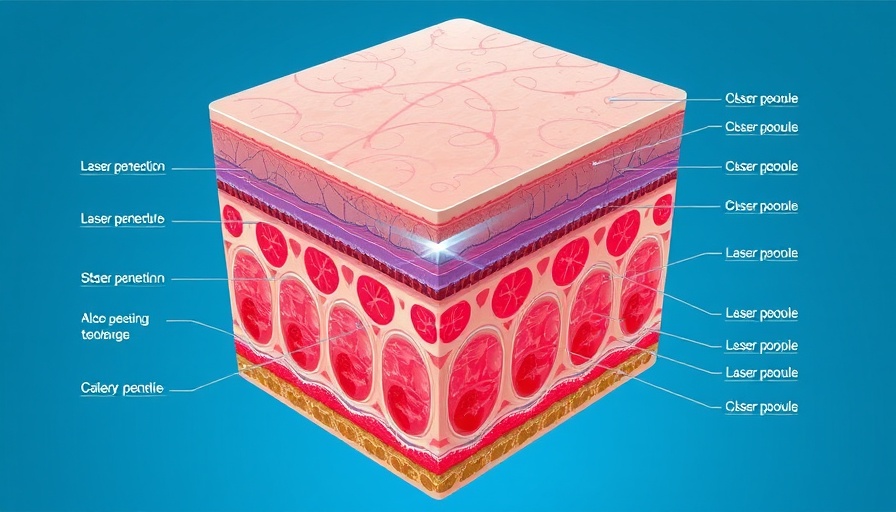
Diagram of optimizing laser irradiation in tissue layers.

Understanding the Importance of Laser Treatment for Skin Discoloration

The advancements in laser technology have revolutionized dermatological practices, particularly for conditions like nevus of Ota, which leads to significant skin discoloration. Traditional treatment methods often fell short, resulting in a growing need for precision in laser irradiation techniques. With the introduction of picosecond laser (PSL) and nanosecond laser (NSL) treatments, clinicians are equipped with tools that can enhance effective therapeutic outcomes while minimizing the risk of side effects.

Delving into the Study Behind EICF

A recent study conducted by researchers from Osaka Metropolitan University aimed to refine the understanding of laser treatments through an in-silico meta-analysis. The research team, led by Postdoctoral Fellow Yu Shimojo and Professors Toshiyuki Ozawa and Daisuke Tsuruta, developed the Excessive Setting Index of Clinical Fluence (EICF). This mathematical model critically evaluates the laser irradiation conditions required for optimal results, addressing the gaps in previous meta-analyses that did not account for appropriate settings. The foundational work was published in JAAD Reviews and highlights the impact of well-calibrated irradiation levels on treatment efficacy.

The Findings: Why PSL Shines Over NSL

The team’s comparison between PSL and NSL treatments for nevus of Ota revealed a clear advantage for PSL when applied under precise conditions. The efficacy of the PSL treatment was not only higher but it also maintained equivalent safety levels, thereby providing a more reliable treatment option. This evidence paves the way for more informed laser treatment protocols in clinical settings.

Implications for Patients and Medical Professionals

Understanding the EICF and its study findings carry substantial implications for patient care in dermatology. For medical professionals, it highlights the importance of customizing treatment plans based on individual patient needs while taking into account the appropriate irradiation conditions. For patients, it fosters a sense of reassurance that treatments they undergo are backed by scientific research, leading to more positive experiences and outcomes.

Future Opportunities for Research and Practice

As the field of laser treatment continues to evolve, the introduction of frameworks like the EICF presents opportunities for further research. Future studies could potentially explore additional skin conditions where precision laser treatment may yield beneficial results, thereby broadening the scope of care in dermatology. As more research is gathered around laser applications, the dialogue around its benefits and risks will evolve, empowering both clinicians and patients alike.

Conclusion: The Path Ahead in Laser Treatment

The emergence of innovative treatments like PSL offers great promise for addressing complex dermatological issues such as skin discoloration. By applying rigorous scientific methodologies like the EICF, the healthcare community can enhance the methods used in laser treatment, ensuring safer, more effective care pathways. Understanding these advancements will not only benefit practitioners but also help patients make informed decisions about their treatments.

Health Tech

Write A Comment

*
*
Related Posts All Posts
12.07.2025

Gene Therapies for Sickle Cell Disease and Beta Thalassemia: Real-World Insights from New Studies

Update The Expansion of Gene Therapy: A Promising Solution for Blood Disorders Recent findings from a study presented at the 67th ASH Annual Meeting have shed light on the real-world commercial implementation of gene therapies aimed at treating sickle cell disease and beta thalassemia. These two inherited disorders affect the hemoglobin in our blood, leading to serious health complications. Understanding how these gene therapies work not only holds great promise for patients but also highlights the importance of a coordinated approach to treatment delivery. Understanding the Impact of Sickle Cell Disease and Beta Thalassemia Sickle cell disease and beta thalassemia are both genetic conditions that result in ineffective hemoglobin production in red blood cells. Sickle cell disease causes cell rigidity and painful blockages within blood vessels, while beta thalassemia results in less functional hemoglobin, ultimately compromising oxygen transport. Current treatments can only manage symptoms, which is where innovative gene therapies come into play. By modifying a patient’s stem cells to produce functional hemoglobin, these therapies aim to deliver permanent solutions for these life-altering diseases. Insights from the GIST Study on Gene Therapies The GIST study analyzed data from 392 patients enrolled to receive two gene therapies: betibeglogene autotemcel, branded as Zynteglo, and lovotibeglogene autotemcel, known as Lyfgenia. Findings indicate that 29% of these patients have already received treatment, showcasing a growing demand for these therapies. Remarkably, a significant percentage of patients (72% for beti-cel and 76% for lovo-cel) were treated within a year of their initial enrollment—an encouraging sign for future scalability in treatment delivery. Facilitating Patient Access: Improvements Needed Despite the apparent efficacy of gene therapies, the study authors indicate the necessity for further improvements in treatment timelines. For instance, patients needed an average of 4.4 months from enrollment to stem cell collection, with delays commonly stemming from health and financial preparations. Furthermore, researchers identified operational differences affecting the overall delivery times, which underscores the need for a system-wide analysis to streamline processes and improve patient experience. Looking Ahead: Transforming Hemoglobin Disorders with Gene Therapy As the field evolves, the collaboration between patients, healthcare providers, drug manufacturers, and insurance payers will be vital in creating a cohesive framework for successful gene therapy implementation. Dr. Joanne Lager emphasizes the importance of this system-level coordination, reinforcing that the demand for one-time, durable gene therapies will only increase as we gain more clinical experience. Enhancing operational efficiencies could significantly reduce treatment pathways and elevate patient care, paving the way for further innovations in gene therapy. Conclusion The future of managing sickle cell disease and beta thalassemia looks brighter with ongoing advancements in gene therapies. As stakeholders work together toward optimizing delivery processes, we may see a transformative shift in how we treat blood disorders. These developments not only point to a potential for curing genetic diseases but also raise awareness of the considerable journey patients face in accessing these innovative treatments.

12.07.2025

Unlocking Gene Therapy: A New Hope for Sickle Cell Disease Patients

Update Understanding Gene Therapy’s Role in Rare Blood Disorders Gene therapy has emerged as a revolutionary frontier in treating genetic disorders, particularly for conditions like sickle cell disease and beta thalassemia. These blood disorders stem from mutations in hemoglobin that impede the body's ability to circulate oxygen, leading to severe health complications. The recent data presented at the 67th ASH Annual Meeting sheds light on the successful implementation of these therapies in a commercial setting, drawing on the experiences of over 392 patients in the U.S. Real-World Data and Implementation Challenges The GIST Study reveals critical insights into the timeline and processes surrounding the administration of gene therapies, such as beti-cel and lovo-cel, highlighting that 29% of enrolled patients have already received treatment. However, the journey to treatment isn't straightforward. With significant variation in the time required for stem cell collection and manufacturing processes, it is clear that operational improvements are essential for future deployments. "We’ve identified areas of opportunity to enhance the treatment journey for patients and providers," shared Dr. Lager, emphasizing the need for system-level coordination among healthcare stakeholders. The March of Progress in Sickle Cell Therapy Recent approvals of therapies like Casgevy and Lyfgenia by the FDA represent monumental steps forward in treating sickle cell disease. Casgevy, which utilizes innovative genome editing, has the potential to be life-changing for many suffering from recurrent vaso-occlusive crises associated with the disorder. These therapies not only provide promise for the future but have also initiated programs aimed at making these treatments more accessible, especially for underprivileged populations whom they can benefit the most. Lessons from Patient Experiences Personal narratives, such as that of Kyle, a young man who has recently benefited from gene therapy, underscore the transformative impact of these advancements. Kyle's experiences reflect the journey from despair under sickle cell disease to newfound hope and empowerment through treatment. His story exemplifies the significant life changes possible through access to modern treatments. The Need for Policy Change and Access Improvement While the clinical results are promising, the story does not end at therapy approval. The exorbitant costs associated with gene therapy, which can reach up to $3.1 million, pose a severe barrier to access. Advocates argue that without policies ensuring equitable access, many eligible patients, especially those from lower-income backgrounds, will be overlooked. Efforts by organizations and legislators to improve insurance coverage and enhance the efficacy of Medicaid for pediatric patients are steps in the right direction. What Comes Next in the World of Gene Therapy? As we look to the horizon, it’s essential to monitor ongoing clinical evaluations and studies aimed at optimizing the delivery of these groundbreaking therapies. The ultimate goal must be centered on creating a robust framework that not only brings innovative solutions to the market but also makes them available to every patient who needs them. Conclusion: Your Role in Advocacy The landscape of treatment for sickle cell disease and beta thalassemia is shifting rapidly with the emergence of gene therapies. These developments highlight the critical importance of advocacy in health policy to ensure that all patients gain access to the life-changing care they deserve. Engage with your community, share insights, and advocate for policies that support equitable access to these revolutionary treatments.

12.05.2025

Saliva and Plasma: The Future of Cancer Detection and Treatment

Update Revolutionizing Cancer Detection and Treatment with Saliva and PlasmaRecent advances in cancer detection strategy have centered around the use of non-invasive methods that rely on easily collected fluids. A groundbreaking study from Griffith University's Institute for Biomedicine and Glycomics highlights the potential of small extracellular vesicles (EVs) found in saliva and plasma to detect head and neck cancers effectively. This innovation could significantly reduce the need for painful tissue biopsies, traditionally viewed as a crucial yet invasive method of cancer diagnosis.Understanding the Significance of Small Extracellular VesiclesThe study reveals that over 60% of protein signatures in small EVs derived from head and neck tumors are shared with those found in plasma and saliva. Professor Chamindie Punyadeera, leading the research team, emphasizes that these detected proteins are instrumental in understanding tumor progression, immune response, and tissue remodeling associated with head and neck cancers. By harnessing this knowledge, the researchers propose a non-invasive alternative that could facilitate routine diagnostic testing.The Impact on Cancer PatientsHead and neck cancers are diagnosed in approximately 900,000 individuals worldwide each year, making advancements in detection urgent and necessary. Abolfazl Jangholi, the research fellow responsible for this study, states that these innovations could lead to earlier cancer diagnosis and more personalized treatment options. This tailored approach is not just beneficial for patient care; it signifies a monumental leap in the field of oncological research, paving the way for better outcomes through early detection and consistent monitoring.Current Trends and Future ImplicationsThe implications of these findings extend beyond immediate patient benefits and into the broader landscape of cancer research and treatment. As healthcare increasingly prioritizes personalized medicine, tools developed from this research could lead to novel biomarker panels in clinical practice. This shift signifies a future where cancer treatment is not only more effective due to its personalized nature but also less distressing for patients.Cultural Significance and Patient ComfortThe psychological comfort that comes with non-invasive testing methods cannot be overstated. By minimizing the discomfort and anxiety typically associated with invasive biopsies, such advancements could positively affect patients’ mental health and willingness to undergo necessary testing. For patients facing the daunting prospect of cancer, knowing that less invasive methods are available might encourage them to seek timely diagnosis and interventions.The Road AheadAs the research progresses, further investment in understanding the molecular roles of the overlapping proteins will be critical. These studies can spotlight how such proteins influence cancer characteristics and patient treatment pathways. For medical researchers and practitioners alike, the findings are a call to action to explore this promising field further, ensuring ongoing innovation aimed at enhancing patient care and outcomes.While the findings are promising, healthcare professionals must stay attentive to the evolving landscape of cancer diagnostics and patient management. Continuous advancements are needed to translate these findings into standardized clinical practices across the healthcare systems globally.Conclusion and Implications for Future CareThe groundbreaking discovery highlighted in this research from Griffith University illustrates that saliva and plasma may soon become fundamental components of cancer detection and monitoring. By turning scientific advancements into real-world applications, we can take significant steps towards more humane and patient-friendly cancer care. As research continues to unfold, staying informed about these developments can empower patients and providers alike in the fight against cancer.

Terms of Service

Privacy Policy

Core Modal Title

Sorry, no results found

You Might Find These Articles Interesting

T
Please Check Your Email
We Will Be Following Up Shortly
*
*
*
