

Tech Life Journal
update
Tech Life Journal 
update
  • Home
  • Categories
    • Innovation
    • Digital Tools
    • Smart Living
    • Health Tech
    • Gear Review
    • Digital Life
    • Tech Travel
    • Voices in Tech
  • Featured
June 06.2026
1 Minute Read

30-Year-Old Panel? Let's Find Out What's Really Going On Inside

Here's What I'd Want to Know as a Homeowner.

Before spending money on a new panel, I'd want to know what's really going on inside the old one.

Just because the lights work doesn't mean everything is safe.

Over time, breakers wear out, connections loosen, and some older panel designs become more likely to overheat or arc. Most homeowners can't see these problems until an electrician opens the panel and takes a look.
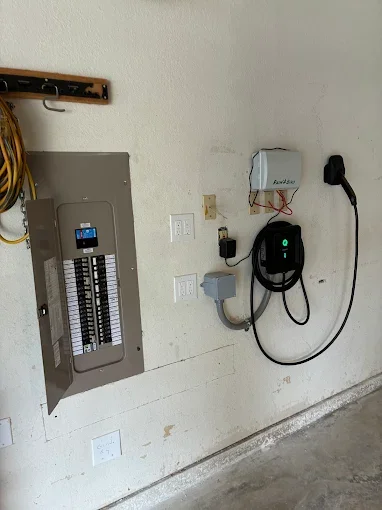
A few things I'd want to know:

  • Is the panel still safe?

  • Can it handle today's power needs?

  • Is it one of the older brands known for problems?

  • Will it support an EV charger, hot tub, or new HVAC system?

  • Do I need a full replacement or just repairs?

Some warning signs include:

  • Breakers that trip often

  • Flickering lights

  • Burning smells

  • Rust or moisture inside the panel

  • A panel that's 30+ years old

The goal is to help you understand what you have, what condition it's in, and what makes the most sense for your home.

"Do it right. Make a positive memory. Have fun."

The reality is that many older panels continue working for years. The concern isn't always age. The concern is condition, design, and whether the panel is still appropriate for the home's electrical demands.
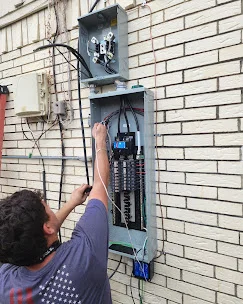
Some older panels, including Federal Pacific, Zinsco, Challenger, and certain Stab-Lok models, have known design issues. The problem isn't that they're old.

The concern isn't just the age of the panel. It's how the breakers connect to the electrical bus inside. Many older panels used softer materials and connection designs that can loosen over time. Loose connections can create heat and arcing that homeowners never see. Modern panels like the Square D QO use tin-plated copper bus bars and a firm breaker connection designed to provide a more reliable electrical path for years to come.

straightforward answer from a licensed electrician.

ABR Electric
Licensed & Insured • TECL #27762
Serving Collin County & Greater DFW
(214) 690-1941

If your panel is fine, they'll tell you. If it needs attention, they'll show you why.
No pressure. No scare tactics. Just honest answers from electricians who believe in doing it right.

Smart Living

0 Comments

Write A Comment

*
*
Please complete the captcha to submit your comment.
Related Posts All Posts
06.08.2026

Create Smarter Home Warnings: Integrate CO Detectors with Home Assistant

Update Enhancing Safety: Integrating CO Detectors with Home AutomationIn a world increasingly reliant on smart technology, integrating a carbon monoxide (CO) detector with Home Assistant offers a powerful layer of safety for households. Carbon monoxide is a silent killer, and being alerted promptly can make the difference between life and death. By leveraging smart technology, individuals can receive immediate notifications to their smartphones or home hubs, ensuring they are aware of any potential dangers.The Importance of Smart AlertsTraditionally, CO detectors provided only occasional alarms, often overlooked or ignored. Smart integrations can send real-time alerts to users, enabling quick responses even if they are not at home. For example, if a CO leak is detected while you're at work, a smart notification could prompt you to warn anyone in the vicinity or call for immediate assistance, significantly reducing risks.How to Get Started with Home AssistantSetting up a CO detector integration with Home Assistant is simpler than you might think. First, ensure that your Home Assistant setup is up-to-date. Then, you can select from a variety of compatible CO detectors available on the market. Popular brands often support integration through APIs or Home Assistant's automated interface. Following installation, the integration involves a few configuration steps within the Home Assistant application. Comprehensive guides are available online to walk you through the process, making it accessible even for less tech-savvy users.Example CO Detectors for IntegrationThere are numerous CO detectors that pair well with Home Assistant, but let's highlight three noteworthy options:Nest Protect: This smart smoke and CO detector not only alerts users but also provides safety messages. Its easy integration with Home Assistant offers detailed data and notifications.First Alert Onelink: This device combines smoke and CO detection with smart home features. Users can easily set it up with Home Assistant for seamless alerts and monitoring.Kidde i9010: A cost-effective solution that pairs well with smart home systems, making it a great entry point for those starting out.Addressing Common ConcernsWhile the benefits of smart CO detection integrations are clear, there are concerns regarding reliability and battery maintenance. Users should ensure that detectors are regularly checked and maintained as per manufacturer guidelines. Smart systems help by reminding users when batteries are low or when it's time for routine checks, preventing negligence.Future Innovatives: What Lies AheadThe future of smart safety devices is promising, with advancements in AI and machine learning paving the way for even more sophisticated monitoring systems. Imagine a future where your smart home can not only alert you of CO levels but also adjust ventilation systems automatically or dispatch emergency services.Making Informed ChoicesAs we continue integrating technology into our lives, the significance of understanding how these devices work cannot be overlooked. Ensuring that your CO detector is part of an interactive system like Home Assistant paves the way for smarter living, where technology acts as a guardian of our safety. Engaging in forums or local tech meetups can provide valuable insights into optimal setups and user experiences, further enriching the family's safety.

06.07.2026

Samsung 990 Pro SSD: Unbeatable Speed and Value at 39% Off

Update Exclusive Discount on the 2TB Samsung 990 Pro SSD: A Deal for Tech EnthusiastsThe Samsung 990 Pro SSD has dropped to a remarkable price of $390 from its original cost of $640 during Amazon's Prime Day event. This offers an impressive savings of 39%, making it one of the best deals currently available on high-performance storage solutions. Given the ongoing economic challenges, such discounts are increasingly rare, making this opportunity significant for anyone in need of top-tier storage.Unmatched Speed and EfficiencyOne of the standout features of the Samsung 990 Pro SSD is its incredible speed. With sequential read speeds reaching up to 7,450 MB/s and write speeds of up to 6,900 MB/s, this SSD is a powerhouse for gamers and professionals alike. These specifications showcase the drive's capacity to handle demanding tasks, from multitasking applications to high-resolution gaming sessions. The power efficiency of this model has also seen a marked improvement, boasting up to 50% better performance per watt compared to its predecessor, the 980 Pro.Understanding the Technology Behind the SSDThe Samsung 990 Pro utilizes PCIe 4.0 technology, which, while not the latest generation (with PCIe 5.0 now emerging), still offers exceptional performance for current setups. If your hardware is compatible with PCIe 4.0, the 990 Pro will not only amplify loading times but also enhance overall system responsiveness. This drive's efficiency makes it an ideal candidate for those looking to streamline their workflow or ramp up their gaming experience.Security: A Key FeatureIn today’s digital age, security is paramount, and the Samsung 990 Pro doesn’t disappoint. It includes AES-256-bit hardware encryption, providing robust protection for sensitive files. This feature is a must-have for users who want peace of mind while storing important data, ensuring that it remains secure against unauthorized access.Comparison with Other Models and DiscountsWhile the Samsung 990 Pro stands out, it's not the only option currently on sale. The 1TB version is available at a reduced price of $250, down from $320, and a 4TB model can be purchased for $449. The presence of various capacities allows users to choose based on their specific needs, adding flexibility to their purchasing decision amid limited stock availability.Market Implications and Future InsightsThe dropping prices of SSDs, particularly high-performance models like the 990 Pro, may indicate a larger trend within the storage market as manufacturers like Samsung seek to remain competitive against an influx of newer technology. As the AI and gaming sectors continue to evolve, the demand for flash memory is skyrocketing. This may lead to sustained price increases on top-tier SSDs as resources become scarcer. Therefore, now might be the best moment for consumers to invest in high-performance options before prices stabilize or rise again.Final Thoughts: Why This Deal MattersThis deal on the Samsung 990 Pro SSD not only offers substantial savings but represents an opportunity for consumers to upgrade their systems with high-speed storage. Given the current pricing landscape and technological trends, those interested in maximizing their PCs or gaming consoles should look closer at these exceptional offers before they disappear.

06.06.2026

Why the Apple Watch Desperately Needs a New Siri to Thrive

Update Why Siri Needs an Upgrade for the Apple Watch As the tech landscape evolves, so too must the tools we rely on for our health and wellness. The Apple Watch, a leading smartwatch in a saturated market, desperately needs a better Siri more than ever. As we look toward the anticipated updates from Apple, analysts and health tech enthusiasts are hopeful for a significant overhaul of the Siri assistant specifically for health functionality that could be launched alongside the latest hardware. The driving force behind this hopeful change? Apple's partnership with Google, which promises to infuse Siri with new capabilities powered by Google's Gemini AI. The Partnership with Google: A New Horizon for Health Tech Historically, Apple has kept its proprietary software tightly integrated within its ecosystem. However, in the competitive atmosphere of 2026, the company is realizing it can no longer afford to stand alone. Apple's collaboration with Google aims to refresh not just Siri, but also the overall health suite integrated into the Apple Watch. From Apple's perspective, this partnership isn't merely about enhancing voice recognition. According to reports, the collaboration could facilitate the introduction of a powerful AI health coach that learns from user data, providing tailored insights into individual wellness journeys. Imagine asking Siri health-related questions and receiving personalized responses that consider your unique activity levels, sleeping patterns, and stress data—a game-changer for health management. The Evolution of Health Monitoring: What Users Can Expect As part of this exciting new direction, Apple is expected to revamp its Health app to be more interactive and user-friendly, possibly integrating features found in competitors' offerings, such as those from Fitbit and Whoop. The introduction of health chatbots powered by Google’s Gemini could enable seamless connections between the Health app, Journal, and Fitness apps. This means users could log data directly with Siri's help, transforming daily health monitoring from a tedious task into an effortless experience. One striking possibility includes offering mood tracking alongside physical statistics, creating a more comprehensive overview of health. For instance, if a user logs their mood in the Journal, the AI could connect it to relevant physiological data such as heart rate and activity levels, giving users clearer insights into how their emotions affect their physical health. Privacy Challenges: Balancing Data with Security However, the integration of AI technology into Apple's health suite does pose concerns—chiefly around privacy. Apple built its reputation on user privacy and data security, and any collaboration with Google carries inherent risks. Creating a functional AI health assistant will require careful consideration to ensure that Apple maintains its high standards of privacy. Developers and analysts alike are eager to see how Apple navigates these challenges during the rollout of these features. It's pivotal that users remain assured that their sensitive health data is not compromised in the name of enhanced functionality. A New Era in Health Tech: Future Predictions Moving forward, analysts predict that the integration of AI into Apple's health ecosystem will revolutionize how users interact with technology for their well-being. Siri may soon be more than just a voice assistant—envision it as your personal wellness coach, guiding you through workouts, providing real-time feedback, and even suggesting dietary changes based on trends gleaned from decades’ worth of health data. With the wearables market projected to grow exponentially, Apple must capitalize on its strengths to stay competitive. The anticipated AI health coach, powered by Gemini, could position Apple significantly ahead of its rivals, enticing new users to its platform. As its health suite expands in capabilities, the Apple Watch could emerge as an indispensable tool in health management. Conclusion: The Imperative for Innovation With updates expected to drop soon from Apple, fans and health technology enthusiasts wait anxiously for the official announcements. If Apple delivers on its promises of a reinvented Siri that aligns with users' health needs, it could usher in a new era of intelligent wearables that prioritize personalized wellness. As technology and healthcare continue to intersect, the ways in which we leverage devices like the Apple Watch will redefine our approach to health in profound ways.

Terms of Service

Privacy Policy

Core Modal Title

Sorry, no results found

You Might Find These Articles Interesting

T
Please Check Your Email
We Will Be Following Up Shortly
*
*
*