

Katie Lamphere’s Core Thesis: Bridging the Disconnect with Automotive Employer Education
The challenge of filling critical gaps in the automotive workforce coincides with a remarkable but underutilized talent pool: military veterans. Katie Lamphere, the driving force behind Veterans in Automotive, understands firsthand the transformative impact that automotive employer education can have on connecting disciplined, skilled veterans with rewarding civilian careers. In Katie’s experience, the first and most persistent barrier is a lack of awareness—on both sides. Many employers don’t see the leadership and technical capabilities embedded in a veteran’s resume, while veterans themselves often perceive the automotive world as restricted to sales or mechanic roles. By addressing this disconnect, Katie has pioneered programs and events that deliver “aha moments” for both veterans and hiring managers, revealing a much broader spectrum of opportunities and potential.
According to Katie Lamphere, the key is to reframe how the industry views veteran talent. Automotive employers must move past surface-level assumptions and develop a more sophisticated understanding of military experience. When the automotive sector recognizes that the skills veterans acquire—leadership, logistics, problem-solving, and adaptability—are not only relevant but vital, doors open for both organizations and veteran job seekers. As Katie highlights throughout her work, automotive employer education is not simply about compliance or charity; it is a strategic advantage that directly impacts retention, innovation, and brand reputation in today’s workforce.
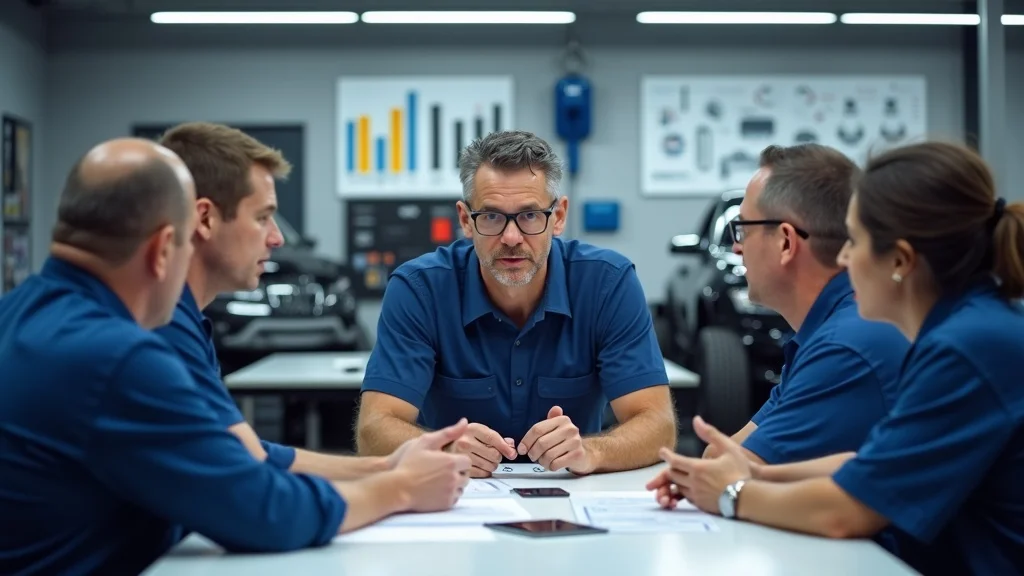
"There's a big disconnect when it comes to the resume of a veteran and what is required for a job in automotive. Many believe veterans only fit in sales or mechanic roles, but their leadership skills are highly transferable."
— Katie Lamphere, Veterans In Automotive
Why Automotive Employer Education Is Crucial to Unlock Veteran Potential
Without focused education and outreach, the automotive industry misses out on a stream of adaptable, disciplined professionals ready to fill vital roles. According to Katie Lamphere of Veterans in Automotive, one of the industry’s greatest missteps is the assumption that veterans lack leadership skills applicable outside of stereotypical positions. She explains that resumes can be misleading; military service cultivates skills perfectly suited to supervisory, operational, and customer-facing positions that go far beyond sales or mechanical work. The onus is on both sides—employers and transitioning service members—to understand and articulate how military training matches up to industry needs.
Katie emphasizes that this gap is further widened by limited outreach from dealers and manufacturers to veteran communities, combined with inadequate exposure to automotive career paths during military transition preparation. “The automotive industry doesn’t spend enough time recruiting from the veteran talent pool, and the military doesn’t offer enough exposure to automotive career paths during transition preparation. ” The solution is proactive: organizations must integrate veteran-focused approaches into their workforce strategies, ensuring sustainable pipelines of skilled talent and mutual benefit.
"The automotive industry doesn't spend enough time recruiting from the veteran talent pool, and the military doesn’t offer enough exposure to automotive career paths during transition preparation."
— Katie Lamphere, Veterans In Automotive
- Misconception: Veterans lack leadership skills applicable to automotive roles beyond sales and mechanics.
- Veterans' resumes often do not clearly reflect their transferable skills to automotive employers.
- Limited outreach and educational collaboration between automotive employers and military transition programs.
Proven Strategies to Enhance Automotive Employer Education for Veteran Hiring Success
Bridging the veteran-employer divide requires more than awareness; it demands action, collaboration, and continuous education. Katie Lamphere’s methods—refined through her leadership of major industry events—underline the power of tailored engagement. Employer education is most effective when it moves beyond PowerPoint presentations and immerses both veterans and employers in authentic, hands-on networking environments. By fostering these crucial intersections, Katie reveals, organizations not only uncover hidden leadership and technical skills, but also shift long-held mindsets about what veterans can deliver.
According to Katie, hosting annual networking and educational events is a linchpin strategy. As she notes: “Veterans in Automotive hosts annual events that bring veterans and automotive employers together to share opportunities and showcase equivalent skill sets. ” This approach enables direct dialogue, shared understanding, and a granular look at how military roles translate seamlessly into automotive careers. Beyond events, Katie strongly recommends actively engaging with veteran recruitment organizations and incorporating government-supported training programs that fill potential knowledge gaps for both candidates and employers.
"Veterans in Automotive hosts annual events that bring veterans and automotive employers together to share opportunities and showcase equivalent skill sets."
— Katie Lamphere, Veterans In Automotive
Veterans in Automotive Initiative: A Model for Collaboration and Education
The Veterans in Automotive Initiative stands as a national model for intelligent and impactful employer education. Katie Lamphere’s vision unfolds in annual events that gather veterans and automotive leaders in dynamic, collaborative settings. These events are not only about networking—they are about real transparency. Veterans are given insight into “a day in the life” within various automotive roles, while employers gain clarity on the broad, mission-critical capabilities that military talent brings. According to Katie, the shared environment of these events leads to authentic, lasting connections and increased mutual respect.
The impact extends beyond the day of the event. “By providing veterans with exposure to the whole industry, not just frontline sales or technical roles, and offering employers a lens for recognizing military skill sets, we make hiring success sustainable,” Katie affirms. Collaboration with government and transition programs is another core element; these partnerships broaden the array of available training, resources, and incentives, making the pipeline from base to business more direct. The result: a workforce equipped for innovation and leadership at every level of the dealership or aftermarket operation.

- Hosting tailored recruitment and educational events on or near military installations.
- Providing clear examples of how military training translates to automotive career skills.
- Partnering with government and military programs to enhance training opportunities within the automotive sector.
How Automotive Employers Can Act Now to Attract and Retain Veteran Talent
For dealer principals, HR directors, and workforce coordinators, the road to veteran hiring success starts with immediate, intentional action. Katie Lamphere emphasizes that industry leaders must proactively seek out veteran-focused recruitment events and organizations, such as Veterans in Automotive, to form connections that matter. These connections do more than fill jobs—they create a culture of belonging and opportunity. A second crucial step, according to Katie, is the commitment to ongoing, targeted training: “Employers need to invest in programs that mesh military skills with sector-specific knowledge, ensuring veterans are fully equipped to excel and rise as future leaders. ”
Savvy automotive employers recognize that integrating veteran talent requires more than recruitment pitches. Long-term retention depends on sustained partnership with military transition offices and dedicated efforts to inform both veterans and hiring managers about the diverse array of roles—spanning logistics, management, technology, and customer service. By crafting an onboarding and career advancement journey tailored to the strengths of veterans, employers not only close immediate labor gaps but also future-proof their organizations in a highly competitive landscape.
- Engage with veteran-focused recruitment events and organizations like Veterans in Automotive.
- Invest in ongoing training programs that complement military skills with automotive-specific knowledge.
- Collaborate closely with military transition offices to raise awareness of diverse automotive career paths.
Addressing Common Misconceptions and Unlocking Veteran Career Awareness
Moving the needle on veteran hiring in the automotive sector means dispelling the myths that have stalled progress for years. Katie Lamphere cautions that veterans too often self-select out of the industry, assuming options are limited or skills won’t transfer. “Education on a ‘day in the life’ of automotive roles beyond sales and mechanics helps shift veteran perceptions,” she explains. When veterans see themselves in roles such as service advisors, logistics coordinators, or shop management—underpinned by leadership and technical skills gained in service—they gain the confidence to pursue fulfilling new pathways.
Equally important is the employer’s commitment to communication and advocacy. According to Katie, clear articulation of the full spectrum of open positions, advancement opportunities, and success stories is invaluable. By empowering veterans with knowledge and showing that “their skills are both needed and valued in this industry,” automotive leaders build lasting relationships and highly effective teams. These efforts, amplified by structured employer education, help veterans envision—and achieve—a future where their military experience catalyzes their civilian career success.
- Education on a ‘day in the life’ of automotive roles beyond sales and mechanics helps shift veteran perceptions.
- Showcasing transferable leadership, logistics, and technical skills from military to automotive.
- Clear communication to veterans about the breadth of available automotive career opportunities.
Summary: Why Automotive Employer Education is the Keystone to Veteran Hiring Success
As the automotive industry faces persistent workforce challenges, automotive employer education emerges as the linchpin for both recruiting and empowering top-tier talent. Katie Lamphere’s philosophy, practiced through Veterans in Automotive, is unequivocal: when employers and veterans learn together, both sides thrive. Events, training, and transparent collaboration open up a “mutual understanding” that unlocks new possibilities—redefining what the auto sector can be.
Katie’s work demonstrates that the investment in veteran employer education pays exponential dividends. Not only does it enable employers to “decode the language” of military experience, but it also positions veterans as indispensable contributors across all tiers of dealership and manufacturing operations. As these relationships deepen, the skills, loyalty, and leadership that veterans bring become inseparable from high-performance, diverse teams that are equipped for the future of mobility.
"By fostering mutual understanding through dedicated education and meaningful events, we open doors for veterans and empower automotive employers to tap into a skilled, disciplined workforce."
— Katie Lamphere, Veterans In Automotive
Next Step: Join the Movement to Educate and Hire Veterans in Automotive
The journey doesn’t end with awareness—it begins with action. Industry leaders and stakeholders are invited to explore resources, participate in sector-tailored programs, and drive forward an inclusive future.
- Explore veteran recruitment resources and programs tailored for the automotive industry.
- Participate or sponsor veterans-in-automotive events to connect directly with veteran talent.
- Leverage collaborative training initiatives that maximize veteran skill integration.
Call to Action
For automotive dealer principals, HR directors, and recruitment managers ready to maximize veteran hiring success, visit Veterans in Automotive or call (954) 242-0433 to learn more about effective automotive employer education programs and upcoming events.
To further enhance your understanding of automotive employer education and its impact on veteran hiring, consider exploring the following resources: The ASE Education Foundation’s Student Career Development program offers a structured pathway for students into the automotive service industry, emphasizing collaboration between educators and employers to prepare career-ready technicians. (aseeducationfoundation. org) The Automotive Technician Training program by CareerForce provides hands-on shop training, industry certifications, and job placement assistance, aiming to equip individuals with the necessary skills for a successful automotive career. (careerforce. mn. gov) These resources offer valuable insights and practical strategies for integrating veteran talent into the automotive workforce through targeted education and training initiatives.





Write A Comment