Tech Life Journal
update
Tech Life Journal 
update
  • Home
  • Categories
    • Innovation
    • Digital Tools
    • Smart Living
    • Health Tech
    • Gear Review
    • Digital Life
    • Tech Travel
    • Voices in Tech
  • Featured
June 29.2026
3 Minutes Read

The Rise and Fall of Dead Space: A Franchise Left in the Dark?

Intense sci-fi horror in the Dead Space franchise with struggling armored figure

The Frightening Fall and Rise of Dead Space

The chilling tale of the Dead Space franchise echoes through the gaming community, marking a saga of innovation and abrupt endings. Initially captivating players when it first hit the shelves in 2008, the series has undergone significant ups and downs. The excitement surrounding the 2023 remake showed the enduring appeal of deep space horror, but recent news indicates that the franchise has been placed 'on ice' for a second time.

From Hero to None: The Future of Dead Space

Despite the critical acclaim and a respectable sales figure of a few million units, the remake did not meet Electronic Arts' (EA) lofty expectations. Insiders suggest that EA has set aside plans for a remake of Dead Space 2 completely. This abrupt termination of potential storylines disappointed fans, especially as compatriots in the horror genre—like Resident Evil and Silent Hill—thrived with extensive revivals. These franchises seem to serve as a bittersweet reminder of what Dead Space might have achieved if nurtured properly.

The Dismal Business Moves Behind the Scenes

The nexus of these failures lies in EA's current ownership landscape. With the Saudi Arabian Public Investment Fund poised to acquire a significant stake in EA, the company faces financial scrutiny that may lead them to sell off valuable IPs, including Dead Space, as a strategy to alleviate mounting debts. This situation paints a daunting picture for the future of the series, as many fear EA's lack of commitment to single-player narratives places these beloved franchises at the back of the line.

Comparative Frustration: Dead Space vs. Resident Evil

While EA wrestles with its financial objectives, the survival horror gaming community continues to rally around titles that engage and revitalize the genre. The Resident Evil series has seen a renaissance in gameplay and storytelling, with multiple successful remakes and new entries keeping fans captivated. In comparison, the Dead Space series, which has the potential to dive deep into immersive storytelling and gripping horror, ends up overshadowed. This dichotomy fuels discussions among gamers who crave more than just the occasional survival horror experience.

Actionable Insights: What The Dead Space Saga Means for Gamers

Understanding the operational decisions behind the break in the Dead Space continuity can empower gamers to safeguard their interests. Passionate fans may take proactive steps, including voicing their desires for more content directly to EA through official channels or supporting publishers who prioritize story-driven single-player experiences. Moreover, investing in games aligned with community-driven fundraising could also support developers willing to take risks on innovative horror franchises.

Potential for Revival: Hope Still Flickers?

Rumors circulating about a possible sale of the Dead Space IP could mean a new chapter for the franchise. If EA decides to part ways with the franchise, a passionate studio could pick it up for rejuvenation. Fan sentiment plays a critical role—the emotional attachment players have toward Isaac Clarke and his struggle against the Necromorphs might just inspire a developer to breathe life back into this gothic sci-fi universe.

Looking Toward the Stars—A Cautionary Tale for Game Developers

The rollercoaster journey of Dead Space serves as a reminder of the hazards lurking within the gaming industry, particularly large publishers prioritizing rapid financial gains over creative exploration. As players, the responsibility lies with us to demand more from our gaming experiences, to challenge industry norms, and to foster lasting connections with sagas that resonate on a personal level.

A Community Rallying Cry

As areas of doubt swirl around Dead Space, it’s vital for the gaming community to connect over shared memories and experiences garnered through this thrilling franchise. By engaging in conversations and showcasing our collective enthusiasm, we can elevate these narratives that deserve another chance. It is time to rally together, urge EA towards reconsidering Dead Space, and stand firm in the belief that great horror games can indeed have a lifeline if fans are willing to fight for them.

Strap on your space suits, sharpen your weapons, and let’s see if we can bring Dead Space back from the void!

Digital Life

0 Comments

Write A Comment

*
*
Please complete the captcha to submit your comment.
Related Posts All Posts
06.26.2026

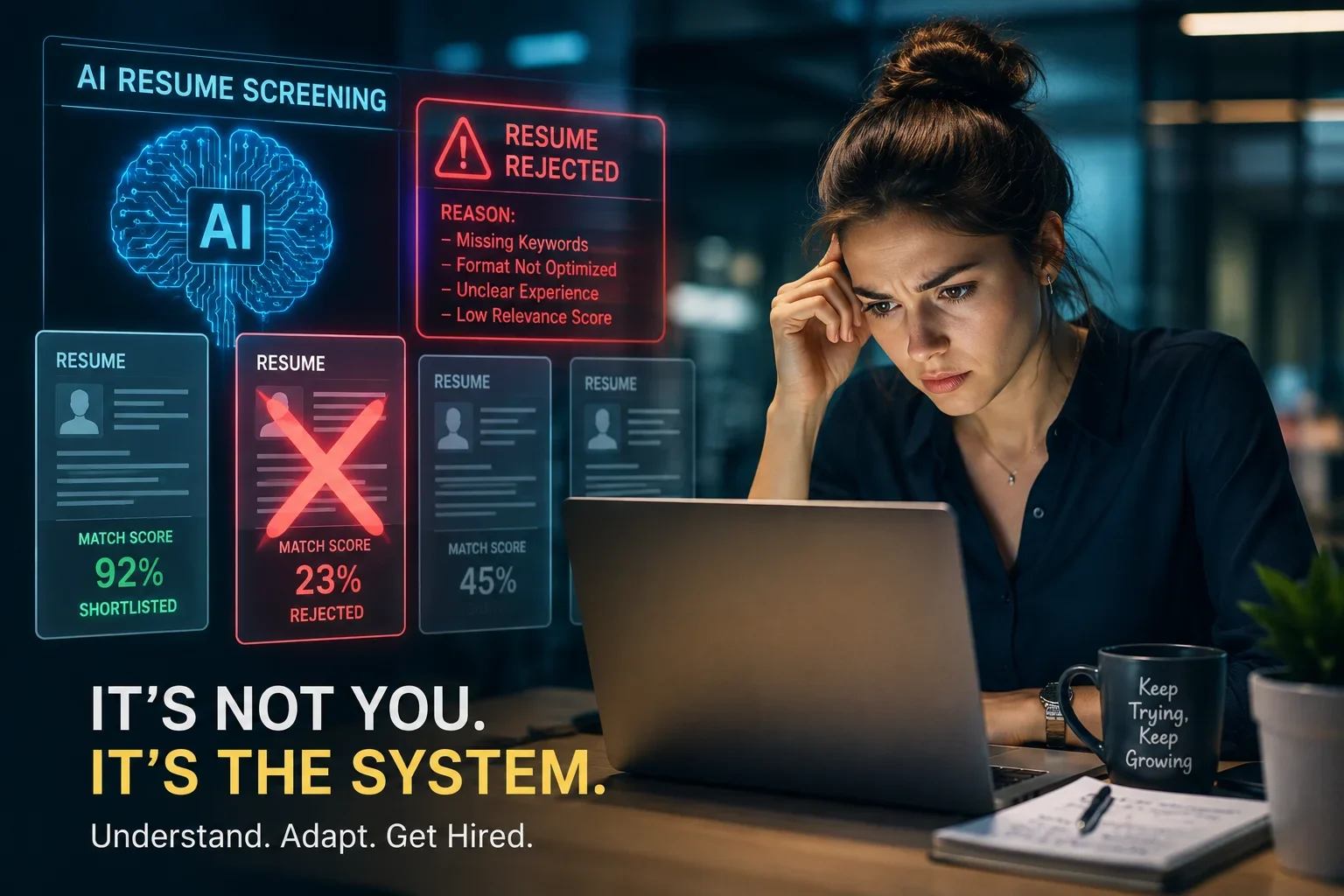
Why Qualified Candidates Get Rejected by AI Hiring Systems

Did you know that up to 70% of qualified candidates are rejected by AI hiring systems due to algorithmic biases or keyword mismatches?Understanding why AI rejects resumes is crucial to improving your chances in today’s job market. If you’ve ever felt defeated by online applications, you’re not alone. The rise of artificial intelligence (AI) in the hiring process has revolutionized how companies filter resumes—but it’s not always for the better.In fact, those same systems can accidentally overlook the most qualified candidates. Let’s dive deep, bust myths, and give you the real-world tools and mindset to get your resume seen by a human again.“Applicant tracking systems are being used to conduct initial application screenings — searching for key terms and skill and experience matching, for example — but humans are then looking at every application and making the final decisions as to who they will interview.” — Alyssa Hammond, Bentley UniversityUnlocking the Mystery: Why AI Rejects Resumes for Qualified ApplicantsThe question at the heart of every frustrated job seeker: Why does AI reject resumes from qualified candidates?The answer is a mix of clever algorithms, imperfect science, and a little bit of digital luck. In an effort to sift through huge applicant pools quickly, companies “let the robots sort it out”—but that means screening resumes based on patterns, keywords, and formatting rather than actual aptitude or potential.AI resume screening aims to help busy hiring managers, but when a qualified candidate is rejected by ATS (Applicant Tracking System) software, it can feel unfair and confusing.Many employers hope AI will make hiring decisions efficiently—yet, as someone who’s been applying online for years, I’ve seen good people get weeded out by a misplaced word or creative job title. Understanding how ATS works is the first step to making sure your skills aren’t lost in cyberspace.Whether you’re a career-changer, a student, or an experienced pro, knowing why AI rejects resumes arms you with the power to fight back and optimize your job search.How AI resume screening works and why it sometimes misses the markCommon pitfalls that lead to qualified candidates being overlookedPractical strategies to improve your job search in an AI-driven worldExpert insights and real-life tips to navigate automated hiring systemsAI Resume Screening: A Double-Edged SwordHow AI Resume Screening Works (And Where It Fails)Let’s start at the top: AI resume screening is designed to filter resumes using sophisticated algorithms. When you submit a resume online, ATS software parses your document, scoring it based on how closely it matches the job description. The system is looking for keywords, relevant experience, and a standardized format.Sounds efficient, right?But here’s where it gets tricky. The slightest difference—like using “Collaborated with stakeholders” instead of “Worked with stakeholders”—can mean your application disappears into the void.It’s not just about keywords, either. Poor formatting (think fancy columns or creative graphics) can confuse the tracker, causing key info to be missed. These blind spots mean qualified candidates often slip through the cracks. Even with the best credentials, if your document isn’t ATS-friendly, you risk being overlooked before a recruiter or hiring manager even sees your resume.“We haven’t seen a whole lot of evidence that there’s no bias here… or that the tool picks out the most qualified candidates.” — Hilke Schellmann, assistant professor of journalism at New York UniversityAlgorithmic Bias in AI Resume ReviewHere’s the hard truth: AI resume screening algorithms can introduce bias. These systems are trained on data from previous hires. If organizations historically favored certain types of candidates—say, those with “male names” or from specific schools—the AI can learn to unconsciously prefer those patterns. It’s unintentional but real.In the effort to make hiring more objective and scalable, companies sometimes let bias slip in via the back door. And when this happens, a qualified candidate with a strong background but an uncommon title or different background may not even get a shot.“AI resume parsing systems are only as good as the data and rules they’re trained on, which can unintentionally bake in bias.” — Dr. Nina Medina, HR Tech AnalystFor job seekers, the only defense is understanding how ATS works—and using that to your advantage. By recognizing likely pitfalls, you can avoid having your application automatically rejected by ATS due to issues out of your control.Real-Life Anecdote: My First AI-Generated RejectionI still remember the first time I got that automated “thanks but no thanks” email. I’d tailored every bullet point, double-checked my spelling, and fit the job description to a T. Weeks passed, and then—rejection. It wasn’t until I learned about applicant tracking systems that I realized: my creative formatting caused the ATS to miss my core experience entirely. It wasn’t a lack of skill—it was a tech thing. Knowing this literally changed my job search strategy, and I quickly saw more responses (and interviews) once I simplified my resume.Top Reasons Why AI Rejects Resumes (Even If You’re Qualified)Keyword Mismatches: The Great FilterPoorly Formatted Resumes and AI Blind SpotsOver-Optimization and AI Red FlagsMissing or Weak Work Experience DescriptorsUnconventional Job Titles and Skills“Even the best-qualified person can be overlooked if their resume language doesn’t match what the AI is searching for.” — Raj Patel, Career CoachLet’s break these down. Keyword mismatches are probably the biggest culprit. If your resume doesn’t echo the job posting, the AI might flag you as unqualified—even if your experience lines up perfectly. Poor formatting confuses even the smartest AI, hiding your info from essential fields. But beware of over-optimizing: stuffing a resume with repetitive keywords can trigger AI red flags, making you look inauthentic or like a bot yourself.Weak descriptions (i. e. , not quantifying achievements) or odd job titles confuse AI algorithms, too. For instance, “Guru of Happiness” won’t get as far as “Customer Success Manager. ” So while it’s tempting to show your personality, save that for the interview and keep resume wording standard for the ATS.How Job Search Strategies Can Outmaneuver AI Hiring SystemsJob Search Hacks to Get Past Automated SystemsUse the same keywords from the job descriptionAvoid images, graphics, and unusual fontsShow measurable results and clear achievementsLeverage employee referrals whenever possible“Networking and referrals remain the most underutilized yet effective job search strategy—AI can’t filter out a personal recommendation.” — Alicia Kim, Talent Acquisition LeaderHere’s your secret weapon arsenal: First, mirror the job description—that means rework your resume each time you apply to align with posted requirements. Second, skip graphical elements; a plain, well-organized layout makes it easier for AI to extract your data. Most importantly, employee referrals and networking can bypass the machine filter altogether. People are still at the heart of the hiring process, and a good word from inside the company is worth more than 50 perfectly optimized resumes.And don’t forget to quantify achievements: “Increased sales by 18%” is much stronger than “Responsible for sales. ” This approach not only helps your resume survive the electronic culling but also resonates with human reviewers when your resume finally lands on their desks.Cover Letter and Social Media: Supporting Your Job Search Beyond the ResumeWriting a Cover Letter That Bypasses AI FiltersBelieve it or not, the humble cover letter can be your secret weapon. While many job seekers write off the cover letter as old-fashioned, it’s often still read by human reviewers—especially after ATS screening narrows the field. To maximize your chances, restate the most crucial keywords in your cover letter, and use it to add personal context that AI can’t detect. A great cover letter echoes the job description and makes a personal case for your fit, highlighting soft skills, passion, and culture fit—elements algorithms may miss.If you’re applying online, always attach a tailored, concise cover letter unless explicitly told not to. Not only does this improve your odds with recruiters, but it also provides a meaningful introduction if your resume lacks that perfect keyword match.Leveraging Social Media to Get Noticed by Real RecruitersSocial media platforms like LinkedIn are now essential for job seekers aiming to get past AI barriers. Your digital presence can attract human recruiters and hiring managers looking beyond resumes for cultural fit and professional connections. A strong, relevant LinkedIn profile—complete with matching keywords from your resume and job description—shows consistency and credibility.Don’t underestimate the power of your online network. Connected employees or recruiters may find you even if your resume didn’t make it past the first round. Just ensure your social profiles are up-to-date, reflect your most recent achievements, and avoid obvious discrepancies between your resume and your online persona.The Combined Power of Resume, Cover Letter, and Social PresenceThe holy trinity in today’s job search is a well-written resume, an engaging cover letter, and a polished social media profile. When these tools work together, you look both algorithm-friendly and human-appealing. A recruiter or hiring manager is more likely to review your application if they see a consistent and compelling story across all touchpoints.Think of these elements as your marketing package. Automated systems might handle the first round of screening, but humans make the final hiring decisions. A standout profile, solid resume, and sincere cover letter can tip the scales in your favor—especially if coupled with employee referrals or direct networking.Table: How Different Resume Elements are Screened by AIResume ElementAI SensitivityTips for SuccessKeywordsHighMirror job description wordingFormattingHighKeep it simple (Word or PDF, standard fonts)Unusual Job TitlesMediumUse industry-standard terminologyNumbers & StatsMediumShow achievements with dataTypos/GrammarHighTriple-check for errorsPeople Also AskWhy does AI keep rejecting my resume?Your resume may not have enough relevant keywords.The formatting may be confusing for AI algorithms.There could be inconsistencies or gaps in your work history.What percentage of resumes are rejected by AI?Estimates suggest a significant majority of resumes—some reports say up to 70%—never reach a human due to AI screening.This means refining your resume for AI readability is essential.Do employers reject AI-generated resumes?Some employers use AI tools to detect AI-written materials.Be authentic—add personal context and original phrasing to stand out.Which 3 jobs will survive AI?Creative roles (design, writing, art)Emotional intelligence-driven jobs (counseling, coaching)Strategic decision-making roles (executives, consultants)FAQ: More Burning Questions About Why AI Rejects ResumesHow can I tell if my resume is AI-friendly?Run your resume through an ATS resume checker or use job description comparison tools. Make sure it’s simple, keyword-rich, and in a universally readable format. Avoid graphics and special columns. If you can easily copy-paste the text into a plain document, that’s a good sign your resume will be read correctly by automated systems.What are the worst mistakes to avoid in an AI resume?The biggest mistakes are ignoring keywords from the job description, using fancy formatting, and forgetting to quantify achievements. Avoid inconsistent dates, unexplained gaps, and generic descriptors like “hardworking employee”—these don’t show value to AI.Is it worth using a professional resume writing service for AI screening?If you’re lost or have been repeatedly rejected by ATS, an expert can be a good investment. Choose services that specialize in AI resume optimization and provide personalized advice. However, always review their work for authenticity and accuracy—it’s your story, after all!How often should I update my keywords when job searching?Update your keywords every time you apply for a new position. Tailor your resume for each job description, as requirements and phrasing change from role to role. Staying current increases your chances of catching the algorithm’s attention.10 Key Takeaways to Remember When AI Rejects ResumesAlways tailor your resume to the job description.Optimize keywords but keep your language natural.Simple formatting beats fancy graphics every time.Cover letters can add vital context for human reviewers.Employee referrals can bypass the AI gatekeeper.Keep your LinkedIn up to date for recruiter visibility.Avoid unexplained gaps or ambiguous titles.Numbers and results matter—show them off.Don’t get discouraged—keep refining your approach.AI is a tool, not a judge. Personal connection still counts!Ready to take control of your job search?Explore more of our TechLife adventures at: ITCertificationJump.comConclusionRemember, AI rejects resumes for reasons you can overcome. Stay strategic, stay yourself—and don’t be afraid to network your way past the robots!If you’re interested in taking a more holistic approach to your career and well-being, consider exploring the resources available at the NC Wellness Hub. Their platform goes beyond generic health and wellness tips, offering insights into personal development, workplace wellness, and strategies for thriving in today’s fast-changing professional landscape.By integrating wellness and career growth, you can position yourself for long-term success—both in navigating AI-driven hiring and in building a fulfilling, resilient career. Discover new perspectives and actionable advice to support your journey.SourcesWhy AI Is Rejecting Your Resume Before Humans See It - https://www.forbes.com/sites/karadennison/2026/03/11/why-ai-is-rejecting-your-resume-before-humans-see-it/Applying for Jobs But Getting Rejected? How to Get Past the AI - https://scottambler.com/aihiring-2/Your Resume Got Rejected in 0.3 Seconds (And No Human ... - https://jasonjamesweiland.medium.com/your-resume-got-rejected-in-0-3-seconds-and-no-human-ever-saw-it-cc7ec6d02261Why AI Might Be Rejecting Your Resume - https://www.ptechpartners.com/2025/08/07/why-ai-might-be-rejecting-your-resume/

06.19.2026

Uni K Wax's Membership Program: A Game Changer for Community Discounts

Update Empowering Customers: Uni K Wax's New Membership Initiative In an exciting move to enhance customer satisfaction and loyalty, Uni K Wax is launching new membership and community discount programs. This initiative not only aims to attract new clients but also to strengthen relationships with existing customers by providing them with exclusive benefits. Understanding the Value of Membership Programs Membership programs have gained popularity in various industries, offering significant advantages to both businesses and consumers. By providing value-added services, companies like Uni K Wax create an opportunity for customers to feel rewarded while encouraging repeat visits. The new programs aim to foster a sense of community among clients, creating a supportive environment where visitors feel valued. Promoting Local Engagement: Community Discounts and More The Uni K Wax community discount program is particularly noteworthy. By offering special rates for community members, the company seeks to ingratiate itself with local clientele. This approach not only promotes savings but also builds a rapport between the brand and the surrounding community. With initiatives like these, businesses can enhance their reputation and cultivate a loyal customer base. A Glimpse at Industry Trends As consumer preferences evolve, businesses must adapt to stay relevant. Recent trends show that loyalty programs, when executed effectively, can increase customer retention rates significantly. According to a report from Loyalty360, nearly 70% of consumers are more likely to continue doing business with brands that have loyalty programs in place. Uni K Wax seems to be leveraging this trend to its advantage, positioning itself as a brand that cares about its loyal customers. Benefits of Being a Member Joining the Uni K Wax membership program opens up a plethora of benefits. Members can expect exclusive offers, early access to new services, and tailored promotions based on their personal preferences. This kind of targeted marketing is beneficial not only to the customers but also to the business, as it helps to foster brand loyalty and increase lifetime customer value. Conclusion: A Strategic Move for the Future In the competitive world of beauty and wellness, Uni K Wax's move to implement membership and discount programs stands as a commendable strategy. It reflects a deep understanding of customer needs and industry trends. As brands strive to provide more personalized experiences, this initiative by Uni K Wax sets a benchmark for others to follow.

05.16.2026

Boost Your social media post visibility Fast—Here’s How

Why did your latest post—carefully crafted and full of hope—barely get seen? If you feel like social media is quietly hiding your content, you’re not alone. The real secret: it’s all about understanding the rules of the visibility game. What You'll Learn in This Guide to Social Media Post Visibility The latest social media algorithm insights How to achieve higher visibility on social media Ways to create content your target audience loves Common myths about posting content and visibility Platform-specific tips for boosting social media post visibility Unlocking Social Media Post Visibility: Why Your Content Isn’t Being Seen Explore the real reasons behind declining visibility on social media and how social media post visibility is affected by platform changes. "Organic reach for business accounts has dramatically declined, but understanding how algorithms function gives you a strategic edge." — Ken Johnstone, MBA BSc Bills of active users scroll through social media, yet sometimes your best posting content is invisible to all but a handful. The reason? Social media platforms continually tweak their algorithms, often prioritizing engagement, recency, and perceived “value”—leaving straightforward or promotional posts out of sight. Navigating this ever-changing landscape is crucial for any business or brand aiming to maintain a strong social media presence and connect with a target audience. By understanding the root causes behind drops in reach, you can craft a more resilient marketing strategy and ensure your content stands a better chance of being seen, shared, and engaged with. The lowest hanging fruit for boosting visibility on social media? Adapting quickly to platform changes and learning what keeps your posts in the feed—rather than buried at the bottom. With the right insights, you can make sure your thoughtful posts work for you, not against you. If you're looking to take your social media strategy even further, consider exploring how lead magnets can help you capture and nurture your audience beyond just post visibility. For actionable ideas on leveraging lead magnets to grow your online presence, check out this comprehensive guide to effective lead magnet strategies. The Decline of Organic Reach on Social Media: Understanding the Landscape What Organic Reach Means for Social Media Post Visibility Organic reach refers to the number of users who see your post without any paid promotion. For businesses, social media post visibility once depended mainly on follower count and post frequency. Today, simply posting does not guarantee exposure—even if you have hundreds or thousands of followers. Algorithms on major media platforms like Facebook, Instagram, and X (formerly Twitter) now decide what your target audience sees. This shift is significant because it means that even thoughtfully crafted content or creative blog posts can go unseen without engagement. Recognizing this, your approach to content creation must emphasize relevance, interaction, and value to the community over self-promotion. If you feel like your social media presence isn’t growing, you’re not imagining things—major platforms have redefined what visibility truly means. Navigating organic reach isn’t about outsmarting the latest tweaks, but about aligning your content with what platforms naturally promote: engagement-driven, authentic posts that prompt real conversations and shares. Changes in Visibility on Social Media Platforms Over Time A decade ago, most platforms served up content chronologically—your followers saw what you posted, when you posted it. Today, engagement-based algorithms reign, prioritizing likes, comments, and shares. This evolution means that visibility on social media platforms now hinges on your ability to engage with your audience and produce quality content that sparks interaction. It also means that the more platforms tweak their algorithms, the more brands must adapt their strategies if they hope to reach a new audience. As platform monetization intensifies, the organic reach for business accounts continues to shrink—often below 5% of your total following. Stories, live video, and authentic engagement have replaced one-size-fits-all posting content strategies. Remaining visible means becoming more adaptive: knowing your analytics tools, understanding which content performs, and building relationships instead of simply advertising. "Engagement-driven algorithms have replaced chronological feeds, redefining how social media post visibility is determined." Social Media Algorithms Explained: How Visibility on Social Media is Decided What Signals Drive Social Media Post Visibility? Engagement with your audience (likes, shares, comments) Content relevance to target audience Consistency in posting content Quality and value of information Algorithms are the secret gatekeepers to social media post visibility. Platforms use complex systems to scan hundreds of signals—like how quickly users respond to a new post (the “engagement velocity”), or whether your posting schedule is regular. Each algorithm has unique quirks, but all share one aim: keep users scrolling. Not all signals are weighted equally. Engagement is king; when your target audience interacts with your posts shortly after publishing, algorithms take notice and show it to more users. Consistency in delivering quality content that’s genuinely relevant will drastically boost your odds of growth. Using analytics tools to study which topics, formats, or times trigger more interactions is the easiest way to make sure your effort isn’t lost. Ultimately, your ability to engage with your audience—by asking questions, sharing useful insights, or responding to comments—acts as the engine behind ongoing visibility on any social media platform. Why Value-Driven Content Outperforms Promotions on Social Media The days of “just post your sale and people will notice” are over. Modern social platforms have grown wise to overt marketing, instead rewarding content that informs, entertains, or helps. Value-driven posts—tutorials, helpful tips, behind-the-scenes moments—consistently outperform flat sales pitches. This is because algorithms want to keep users entertained, not bored by repetitive ads. The more value or genuine story you provide, the more likely your content will earn shares, comments, and broader reach. For local businesses and creators, this means shifting the spotlight: Make your target audience the “hero” by addressing their real needs. Over time, this approach not only increases brand awareness but also fosters deep loyalty. Reframe each post: instead of “Look what we’re selling,” ask, “What does my audience care about right now?” and answer it with clarity. The Role of Video, Stories, and Other Formats in Visibility on Social Media Short-form video (like Instagram Reels, Facebook Stories, or TikTok clips) has rapidly become the content format du jour for achieving high social media post visibility. Videos keep users engaged for longer—and platforms boost posts that retain attention. Interactive content such as polls, quizzes, or “Ask Me Anything” stories also generate rapid engagement spikes and boost content ranking. Mixing formats helps you discover what resonates. If video feels intimidating, start with a quick time-lapse or simple explainer. Rotate in Stories to reach users who skip the main feed. Over time, mixing up content keeps your media presence dynamic, lets you test new approaches, and uncovers hidden opportunities for increased reach across different social media platforms. The Business Model: Why Limited Social Media Post Visibility Exists Understanding 'Pay to Play' in Social Media Why do platforms limit how many people see your posts for free? The answer is straightforward: advertising is their core business. Meta, ByteDance (TikTok’s owner), and other giants earn most revenue from selling attention. As organic reach declines, businesses increasingly turn to paid options—the very products social networks want to sell. This business model is not an attack on small businesses but a systemic shift. “Pay to play” doesn’t mean organic reach is dead, but it does mean that getting noticed is harder if you rely solely on unpaid posts. Savvy brands now blend strong organic strategies with smart paid boosts—choosing to amplify content that’s already engaged their base, not simply spending for the sake of being seen. Balancing Organic Reach and Paid Promotions The real art lies in balancing both worlds. Organic engagement is still possible and often sustainable for local brands—but only if you consistently provide interesting content. Paid promotion should support, not replace, organic wins. For instance, boosting your most interactive posts or running ad formats that encourage Instagram or TikTok saves and shares can help stretch visibility without over-relying on ads. By carefully integrating paid options with ongoing organic efforts, you keep your brand relevant, play to the strengths of each media platform, and maximize your marketing strategy investment. The best practice? Invest where your target audience already interacts, and engage with your audience in ways that feel authentic—not forced. Debunking Social Media Myths: What Actually Impacts Your Visibility Do platforms suppress all promotional content? Will running ads harm your organic social media post visibility? The truth about shadow-banning for businesses "Declining visibility on social media is a structural trend, not something triggered by occasional ad spend." Many business owners fear the “hidden penalties”—the so-called shadow bans or mysterious drops connected to ad spend. The reality: there’s no universal suppression for promotional content, and running ads doesn’t secretly damage your free post reach. Instead, platforms focus on engagement. If users repeatedly skip your posts, that’s what drops your social media post visibility, not a single mention of sales or pricing. Shadow-banning, often misunderstood, typically results from breaking clear content or spam rules—not from honest commercial messaging. Remember: Quality engagement is the ultimate metric. If your posts consistently resonate, you earn favour with the algorithm—even if your account runs regular ads or promotes a business. Platform-Specific Social Media Post Visibility Strategies Social Media Post Visibility on Instagram & Facebook Prioritise original, engaging content Capitalise on Reels and Stories for algorithmic preference Avoid repetitive or low-engagement posting content Facebook and Instagram, both owned by Meta, reward originality and consistency. Again and again, Reels and ephemeral content like Stories receive algorithmic boosts while recycled or sales-heavy posts get buried. Brands with the highest social media post visibility generate behind-the-scenes content, quick tutorials, and sincere customer stories—pushing real engagement instead of overt sales. To stand out, invest extra time in creative visuals, and vary your posting schedule to avoid patterns the algorithm might flag as spammy. Track your analytics tools to measure results and refine your mix of formats, making sure you deliver what your target audience finds most valuable. How TikTok's Algorithm Boosts Visibility on Social Media TikTok’s algorithm is pure meritocracy: even accounts with zero followers can go viral if posts trigger fast, repeated engagement. The focus here is on authenticity, watch time, and entertainment value. Posts that educate, surprise, or make people laugh have a far higher likelihood of being recommended to a new audience. Growing on TikTok requires experimenting with trends and sound, using quick edits, and inviting participation—think challenges and duets. The smartest way to build social media post visibility? Identify what works from others in your niche, add your unique twist, and keep content fresh and interactive. Maximising LinkedIn Visibility for Professional Audiences LinkedIn is the platform of choice for those seeking professional or B2B social media post visibility. Here, value takes the form of actionable tips, industry insights, or staff stories. Long-form posts and thoughtful commentary do well, as does content that sparks conversations among peers. Consistency is key, but hard sales pitches tend to backfire. Instead, position yourself as a resource: share your expertise or showcase your team’s passion, and you’ll find your media presence climbing naturally. Remember to engage with your audience—respond to comments and join discussions within your professional network. Visibility on X (formerly Twitter): Paid vs Organic Reach X (formerly Twitter) bases much of its reach on paid verification and promotional spend, particularly as platform monetization evolves. However, organic reach is possible—if you’re capable of sparking timely, newsworthy, or community-driven conversations. Posts that tap into live events, trending hashtags, or direct questions can sidestep some paywalls. To maintain consistent social media post visibility on X, focus on timely, relevant commentary, participate in ongoing threads, and support organic content with paid boosts only when you see organic traction. For most local businesses, this platform is best suited to brands whose target audience already spends time there. Comparing Social Media Post Visibility Strategies Across Major Platforms Platform Best-Performing Content Format to Focus Key Engagement Strategy Instagram Authentic stories, behind-the-scenes, Reels Short-form video, Stories Respond to comments, use interactive stickers Facebook Community involvement, live content Live video, Groups, Events Invite discussion, share user content TikTok Trending challenges, original storytelling Short-form video Participate in trends, quick engagement LinkedIn Insights, team stories, industry advice Long-form posts, Articles, Video updates Create conversations, tag connections X (Twitter) Timely takes, community replies Threads, Polls, Spaces Reply fast, use trending tags Crafting a Content Strategy to Enhance Social Media Post Visibility Lead with Value: Creating Useful Content for Your Target Audience When building your content strategy, shift your focus away from direct promotion. Ask yourself: What does my target audience want or need right now? Whether it’s information, inspiration, or a solution to a common problem, every post should serve a clear purpose. The most successful brands are those that position themselves as trusted resources, not just sellers. Share tips, behind-the-scenes videos, or customer successes to create value. By answering the questions your audience might not even be asking yet, you help your posts stand out and foster real connection—boosting both trust and social media post visibility. Storytelling Techniques That Increase Post Visibility on Social Media People remember stories. Whether it’s a quick anecdote, a customer journey, or a funny moment from your shop, stories create emotional resonance—driving comments, shares, and return visits. Start with a hook, introduce a relatable problem or scenario, and show how your business solves it. This narrative structure is proven to outperform static, promotional updates on every social platform. Don’t be afraid to be personal. Share staff spotlights or customer testimonials, and invite your target audience to join the journey. Stories make every post feel tailored and relatable, which is the essence of stickier media presence in today’s crowded feeds. Mixing Up Formats: Using Video, Stories, and More A stagnant feed loses visibility fast. Mix things up—use carousels, memes, short-form video, live Q&As, and animated stories. Video, right now, reigns supreme: a quick product demo or a behind-the-scenes clip will outperform a basic text post. But don’t ignore newer or creative formats such as polls, graphics, or collaborative reposts. The more variety, the broader the audience you can reach on any media platform. Look for the easiest way to turn one idea into several posts: share a tip as a video, then break it down into an infographic or follow-up slideshow. Not only does this keep your content pipeline full, but it allows you to test what gets the best response from your target audience. Engage Genuinely with Your Audience for Greater Visibility The single biggest factor in increasing visibility on social media? Genuine conversation. Reply to comments (and not just with emojis), ask questions in your captions, and participate in others’ posts—yes, even if it’s a competitor or peer. Engagement signals positivity to the algorithms, while also showing your audience you care. Use Stories to get feedback or crowdsource ideas. Over time, active conversations shift your standing in the eyes of the platforms, increasing your likelihood of being recommended to a wider, new audience regularly. When and How to Use Paid Promotion for Your Social Media Posts Paid promotion is a tool—not a magic bullet. Boost your best-performing posts, especially those with strong organic engagement. This amplifies posts already proven to resonate, making your ad spend more efficient and giving the algorithm more of what it wants (high engagement, not just paid reach). When considering paid options, experiment with different ad formats—from story ads to carousel or video placements—targeting your core target audience. Avoid promoting posts that failed organically; instead, let audience data guide your choices. Used wisely, paid boosts strengthen your organic reach over time and help cement your competitive edge in a crowded feed. Key Takeaways on Social Media Post Visibility Social media post visibility is algorithm-driven and engagement-based No universal penalty for business posts, but low-engagement content struggles Creative, value-focused content outperforms flat promotions People Also Ask About Social Media Post Visibility What is the 5-3-2 rule for social media? Answer: The 5-3-2 rule for social media suggests that for every 10 posts, 5 should be valuable content from others, 3 should be created by you, and 2 should be personal posts that humanise your brand. This approach helps balance content types and increases your social media post visibility. What is the 3-3-3 rule in marketing? Answer: The 3-3-3 rule involves sharing 3 pieces of your content, 3 pieces of curated industry content, and 3 engaging posts with your audience. This mix supports variety, audience interest, and greater social media post visibility. What is the 5-3-1 rule on Instagram? Answer: The 5-3-1 rule on Instagram means interacting with 5 new people, commenting on 3 posts, and following 1 new account each day. This engagement-first approach can drive algorithm-driven increases in your social media post visibility. What is the 5 5 5 rule on social media? Answer: The 5 5 5 rule encourages interacting with 5 people’s content, sharing 5 pieces of your own, and commenting on 5 posts daily. Consistent engagement builds your presence and supports improved social media post visibility. Further Reading and Author References Meta for Business — official social media strategy guidance TikTok for Business — creative best practices Hootsuite's Social Media Trends report Sprout Social Index HubSpot State of Marketing report "The brands that thrive on social media aren’t those with the biggest ad budgets—they’re the ones people find genuinely interesting." Explore More on Social Media Post Visibility and Algorithms To discover more about Social Media Algorithms and Recommendation Engines - visit https://dylbo.com/SmartMarketing/ultimate-guide-to-how-recommendation-engines-work If you’re ready to elevate your social media results beyond visibility and engagement, it’s worth exploring how lead generation fits into your broader digital strategy. By integrating proven lead magnet techniques, you can turn increased reach into real business growth and lasting customer relationships. For a deeper dive into building a high-converting lead magnet and actionable steps to attract your ideal audience, visit the Lead Magnet resource hub. Unlock the next level of your marketing journey and discover how to transform attention into measurable results. To boost your social media post visibility, focus on value, engagement, and creative storytelling—then watch your presence grow where it matters most! Sources Meta for Business – https://business.facebook.com TikTok for Business – https://tiktok.com/business Hootsuite's Social Media Trends report – https://blog.hootsuite.com/social-media-trends/ Sprout Social Index – https://sproutsocial.com/insights/data/social-media-trends/ HubSpot State of Marketing report – https://blog.hubspot.com/marketing/state-of-marketing

Terms of Service

Privacy Policy

Core Modal Title

Sorry, no results found

You Might Find These Articles Interesting

T
Please Check Your Email
We Will Be Following Up Shortly
*
*
*