
Tech Life Journal
update
Tech Life Journal 
update
  • Home
  • Categories
    • Innovation
    • Digital Tools
    • Smart Living
    • Health Tech
    • Gear Review
    • Digital Life
    • Tech Travel
    • Voices in Tech
  • Featured
May 05.2026
1 Minute Read

Unlock Non Prime Lending Strategies to Boost Your Approvals

non prime lending strategies in a modern car dealership showroom with finance manager assisting diverse customers

Chris Wied’s Core Thesis: Maximize Non Prime Lending to Revolutionize Your Dealership’s Approval Rates

In the evolving landscape of automotive finance, one principle is gaining undeniable momentum among savvy dealership owners and finance managers: non prime lending strategies are the key to unlocking nationwide approval rates and expanding finance options for consumers often left behind. At the helm of this movement is Chris Wied, founder of Wied Auto Finance Solutions (WAFS), who has firsthand experience redefining what’s possible for dealership finance teams in 2026. According to Wied, the potential for growth, inclusivity, and profitability is far greater than most industry leaders realize—if they know where and how to look.

Wied’s approach is built on a simple but powerful thesis: by adopting non prime lending strategies and treating every customer as a financing candidate, dealerships can substantially boost their approval rates, drive greater inventory turnover, and remain resilient amid changing economic conditions. As he underscores in his daily work, “Don’t forget to speak to everyone and try everyone to get them approved. ” This attitude not only opens financing doors for customers with diverse credit histories, but also drives superior results across dealership teams. The days of seeing non prime as an afterthought are over; the future lies in making it a linchpin of every finance strategy.

"Don’t forget to speak to everyone and try everyone to get them approved."
— Chris Wied, Wied Auto Finance Solutions

The Profit Myth: Why Non Prime Lending Strategies Are More Valuable Than You Think

Debunking Dealer Profit Concerns in Non Prime Financing

Among the most entrenched—and paralyzing—myths surrounding non prime lending strategies is that “there’s not as much profit in it, per deal for the dealer. ” According to Chris Wied, this misconception holds back far too many dealerships from unlocking a lucrative and sustainable stream of business. Wied places this outdated mindset at the heart of industry stagnation, reminding us that focusing solely on gross profit per deal misses the bigger financial picture.

The reality is that when dealers integrate non prime lending, they broaden their volume and unlock consistent, predictable sales growth. “If there’s not as much profit in it, per deal for the dealer—that’s a common misconception we’re here to change,” notes Chris Wied. What’s often overlooked is the power of higher approval rates and inventory movement, which, as Wied emphasizes, “often more than compensates for marginal differences in front-end profit. ” Historical data supports this: non prime buyers increase market diversity, boost add-on product sales, and drive overall profitability by expanding the buyer base.

finance professionals discussing non prime lending strategies over sales reports and car keys in a modern dealership office
"If there’s not as much profit in it, per deal for the dealer — that’s a common misconception we’re here to change."
— Chris Wied, Wied Auto Finance Solutions

Unlocking New Inventory Potential: How Non Prime Lending Expands Your Lot

Targeting the $18,000 to $25,000 Car Market with Tailored Financing

The real “aha moment” for many dealerships comes when they realize the powerful intersection between non prime lending programs and tailored inventory management. According to Wied, “Non prime lending allows dealers to buy more inventory specifically designed for that type of customer,” referencing pre-owned vehicles in the $18,000 to $25,000 sweet spot. This approach lets dealerships proactively curate stock for a high-demand segment that traditionally faced financing barriers.

By aligning used car inventory with the unique purchasing profiles of non prime buyers, dealerships create a self-reinforcing ecosystem: more approvals generate faster turnover, while tailored vehicles increase customer satisfaction and repeat business. Wied’s perspective is that the best-prepared dealerships are those that stop treating non prime buyers as outliers and start seeing them as a vital, dependable segment—one that’s hungry for opportunities, trustworthy, and often more loyal than prime customers once provided access and respect.
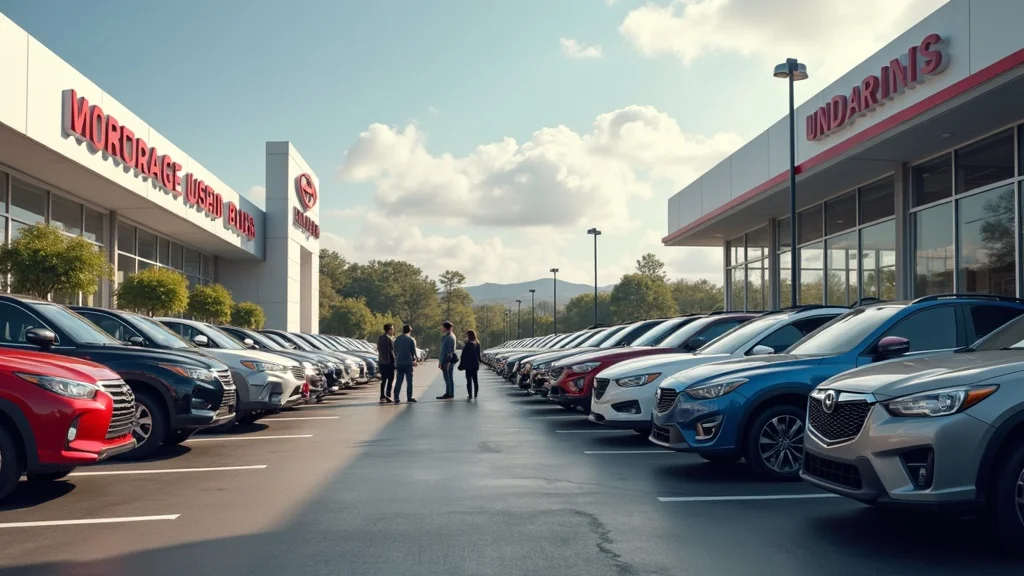
dealership lot showcasing a diverse inventory of mid-range used cars targeted by non prime lending strategies
"Non prime lending allows dealers to buy more inventory specifically designed for that type of customer."
— Chris Wied, Wied Auto Finance Solutions
  1. Broaden your customer base by including non-prime buyers
  2. Increase inventory turnover with targeted used-car offers
  3. Enhance dealership profitability across diverse finance tiers

Actionable Takeaways: Integrating Non Prime Lending Strategies to Grow Approvals

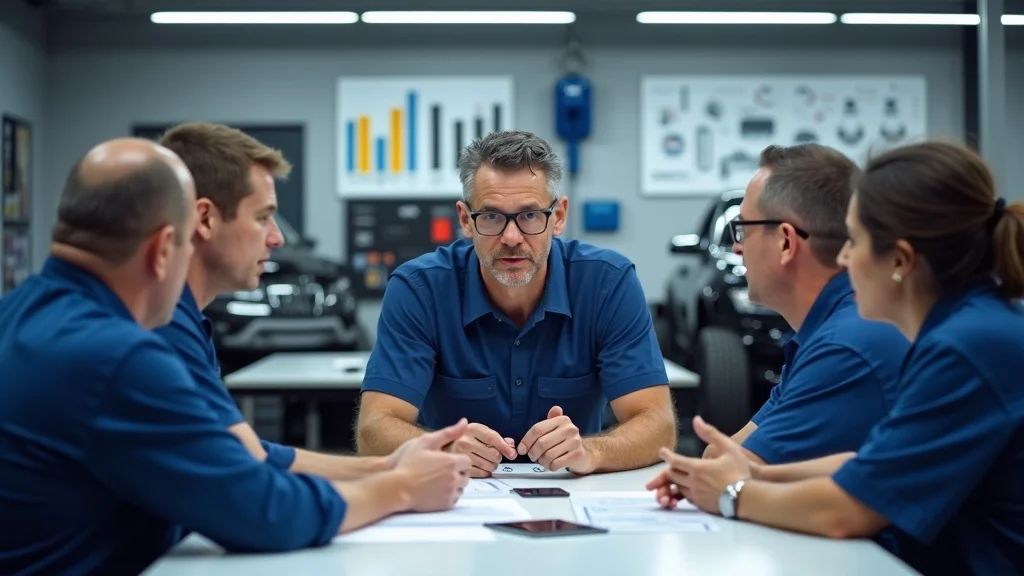
automotive sales team collaborating on effective non prime lending strategies in a dealership break room
  • Approach every potential buyer as a financing candidate
  • Implement consultative finance approvals to reduce lost sales
  • Utilize specialized aftermarket products to add customer value and protect deals

Key Metrics to Track Non Prime Lending Success

Success in non prime lending strategies requires more than intent; it’s about measurement and consistent improvement. Wied recommends that dealership teams focus on approval rates, inventory days-to-turn, financed product penetration (such as vehicle service contracts and GAP coverage), and customer return or referral rates as critical metrics. According to Wied, “track these KPIs and you’ll see immediate clarity on how non prime buyers drive dealership health and growth. ”

Additionally, Wied encourages finance managers and principal leaders to continually review lender approvals and customer satisfaction indices, ensuring processes align with the intent to serve every customer. The goal is clear: build a reputation for inclusivity and approval velocity, which will differentiate your dealership as the go-to for buyers across the credit spectrum.

Background & Context: The Rise of Non Prime Lending in Automotive Financing

infographic showing the rise of non prime lending strategies in automotive finance displayed in a dealership setting

Understanding Non Prime Lending Programs and Their Growing Market Share

Historically, non prime lending has been viewed as a last resort or associated only with risk. Today, the narrative is sharply different. As Chris Wied underscores, the increasing availability of innovative finance products means “there’s financing available pretty much for everyone out there regardless of your credit. ” In practical terms, this translates into a broader, more resilient market—one that insulates dealerships from the volatility of relying exclusively on prime borrowers.

The market share for non prime auto loans has surged in recent years, mirroring consumer credit trends and signaling a new wave of opportunity for forward-thinking dealerships. Wied points out that expanding financial inclusivity isn’t just socially responsible; it’s a strategic imperative for growth. Dealerships that are quick to embrace these programs position themselves as community pillars, equipped to serve diverse customer profiles while powering internal revenue streams with robust protection products and value-added offerings.

  • Increasing availability of financing regardless of credit scores
  • Supporting dealership growth with diverse financial products
  • Enhancing customer satisfaction through tailored protection plans

How Wied Auto Finance Solutions Supports Dealerships in Non Prime Lending

Wied Auto Finance Solutions (WAFS) stands as the industry’s trusted partner in helping dealerships thrive in the non prime segment. According to Chris Wied, WAFS is committed to offering industry-leading service, an unmatched portfolio of protection products, and a consultative approach tailored to each dealership’s needs. From advanced vehicle service contracts and limited warranties to innovative “5-in-1” product bundles, WAFS empowers dealerships to protect their investments—and their customers—at every transaction.

Wied emphasizes that the real differentiator is personalized support and thorough staff training. WAFS partners with dealerships to analyze credit approval bottlenecks, develop customer-first sales processes, and deploy the right blend of products to maximize both approvals and customer retention. Wied’s team ensures that the promise of “financing for everyone” isn’t just marketing—it’s an operational reality delivered at every customer touchpoint.

"WAFS stands as a dependable ally, offering industry-leading service and unique protection products to make non prime lending successful for dealerships."
— Chris Wied, Wied Auto Finance Solutions

finance expert guiding a customer through non prime lending strategies at a dealership finance office

Summary: Transform Your Dealership’s Finance Strategy with Expert Non Prime Lending Insights

Embrace Inclusivity, Expand Inventory, and Drive Approvals

The future of dealership finance lies in strategic inclusivity—serving every qualified customer, regardless of past credit. As Chris Wied has demonstrated through Wied Auto Finance Solutions, non prime lending is no longer a second-tier option, but a fundamental lever for sustainable dealership growth. By prioritizing personalized approvals, expanding targeted inventory, and leveraging comprehensive protection products, today’s dealerships can transform both their customer base and bottom line.

For every dealer principal and finance manager ready to rethink their finance strategy, the next step is clear: it’s time to leave behind profit misconceptions, unlock new inventory potential, and create a dealership model built on success for every client. The opportunity is here for those who are ready to act.

Next Steps: Connect with Wied Auto Finance Solutions to Optimize Your Finance Offerings

As you consider how to drive greater approvals and long-term profitability in 2026, don’t wait for the competition to outpace you. Reach out to the team at Wied Auto Finance Solutions for a tailored roadmap to non prime lending excellence. Discover how industry-leading service, innovative products, and hands-on support can put your dealership at the forefront of automotive finance.

Ready to boost your approvals? Visit Wied Auto Finance Solutions or call 833-533-3600 today to transform your approach to non prime lending strategies.

Featured

0 Comments

Write A Comment

*
*
Please complete the captcha to submit your comment.
Related Posts All Posts
04.16.2026

Maximizing Impact: Automotive Employer Education for Veteran Hiring Success

Katie Lamphere’s Core Thesis: Bridging the Disconnect with Automotive Employer Education The challenge of filling critical gaps in the automotive workforce coincides with a remarkable but underutilized talent pool: military veterans. Katie Lamphere, the driving force behind Veterans in Automotive, understands firsthand the transformative impact that automotive employer education can have on connecting disciplined, skilled veterans with rewarding civilian careers. In Katie’s experience, the first and most persistent barrier is a lack of awareness—on both sides. Many employers don’t see the leadership and technical capabilities embedded in a veteran’s resume, while veterans themselves often perceive the automotive world as restricted to sales or mechanic roles. By addressing this disconnect, Katie has pioneered programs and events that deliver “aha moments” for both veterans and hiring managers, revealing a much broader spectrum of opportunities and potential. According to Katie Lamphere, the key is to reframe how the industry views veteran talent. Automotive employers must move past surface-level assumptions and develop a more sophisticated understanding of military experience. When the automotive sector recognizes that the skills veterans acquire—leadership, logistics, problem-solving, and adaptability—are not only relevant but vital, doors open for both organizations and veteran job seekers. As Katie highlights throughout her work, automotive employer education is not simply about compliance or charity; it is a strategic advantage that directly impacts retention, innovation, and brand reputation in today’s workforce. "There's a big disconnect when it comes to the resume of a veteran and what is required for a job in automotive. Many believe veterans only fit in sales or mechanic roles, but their leadership skills are highly transferable." — Katie Lamphere, Veterans In Automotive Why Automotive Employer Education Is Crucial to Unlock Veteran Potential Without focused education and outreach, the automotive industry misses out on a stream of adaptable, disciplined professionals ready to fill vital roles. According to Katie Lamphere of Veterans in Automotive, one of the industry’s greatest missteps is the assumption that veterans lack leadership skills applicable outside of stereotypical positions. She explains that resumes can be misleading; military service cultivates skills perfectly suited to supervisory, operational, and customer-facing positions that go far beyond sales or mechanical work. The onus is on both sides—employers and transitioning service members—to understand and articulate how military training matches up to industry needs. Katie emphasizes that this gap is further widened by limited outreach from dealers and manufacturers to veteran communities, combined with inadequate exposure to automotive career paths during military transition preparation. “The automotive industry doesn’t spend enough time recruiting from the veteran talent pool, and the military doesn’t offer enough exposure to automotive career paths during transition preparation. ” The solution is proactive: organizations must integrate veteran-focused approaches into their workforce strategies, ensuring sustainable pipelines of skilled talent and mutual benefit. "The automotive industry doesn't spend enough time recruiting from the veteran talent pool, and the military doesn’t offer enough exposure to automotive career paths during transition preparation." — Katie Lamphere, Veterans In Automotive Misconception: Veterans lack leadership skills applicable to automotive roles beyond sales and mechanics. Veterans' resumes often do not clearly reflect their transferable skills to automotive employers. Limited outreach and educational collaboration between automotive employers and military transition programs. Proven Strategies to Enhance Automotive Employer Education for Veteran Hiring Success Bridging the veteran-employer divide requires more than awareness; it demands action, collaboration, and continuous education. Katie Lamphere’s methods—refined through her leadership of major industry events—underline the power of tailored engagement. Employer education is most effective when it moves beyond PowerPoint presentations and immerses both veterans and employers in authentic, hands-on networking environments. By fostering these crucial intersections, Katie reveals, organizations not only uncover hidden leadership and technical skills, but also shift long-held mindsets about what veterans can deliver. According to Katie, hosting annual networking and educational events is a linchpin strategy. As she notes: “Veterans in Automotive hosts annual events that bring veterans and automotive employers together to share opportunities and showcase equivalent skill sets. ” This approach enables direct dialogue, shared understanding, and a granular look at how military roles translate seamlessly into automotive careers. Beyond events, Katie strongly recommends actively engaging with veteran recruitment organizations and incorporating government-supported training programs that fill potential knowledge gaps for both candidates and employers. "Veterans in Automotive hosts annual events that bring veterans and automotive employers together to share opportunities and showcase equivalent skill sets." — Katie Lamphere, Veterans In Automotive Veterans in Automotive Initiative: A Model for Collaboration and Education The Veterans in Automotive Initiative stands as a national model for intelligent and impactful employer education. Katie Lamphere’s vision unfolds in annual events that gather veterans and automotive leaders in dynamic, collaborative settings. These events are not only about networking—they are about real transparency. Veterans are given insight into “a day in the life” within various automotive roles, while employers gain clarity on the broad, mission-critical capabilities that military talent brings. According to Katie, the shared environment of these events leads to authentic, lasting connections and increased mutual respect. The impact extends beyond the day of the event. “By providing veterans with exposure to the whole industry, not just frontline sales or technical roles, and offering employers a lens for recognizing military skill sets, we make hiring success sustainable,” Katie affirms. Collaboration with government and transition programs is another core element; these partnerships broaden the array of available training, resources, and incentives, making the pipeline from base to business more direct. The result: a workforce equipped for innovation and leadership at every level of the dealership or aftermarket operation. Hosting tailored recruitment and educational events on or near military installations. Providing clear examples of how military training translates to automotive career skills. Partnering with government and military programs to enhance training opportunities within the automotive sector. How Automotive Employers Can Act Now to Attract and Retain Veteran Talent For dealer principals, HR directors, and workforce coordinators, the road to veteran hiring success starts with immediate, intentional action. Katie Lamphere emphasizes that industry leaders must proactively seek out veteran-focused recruitment events and organizations, such as Veterans in Automotive, to form connections that matter. These connections do more than fill jobs—they create a culture of belonging and opportunity. A second crucial step, according to Katie, is the commitment to ongoing, targeted training: “Employers need to invest in programs that mesh military skills with sector-specific knowledge, ensuring veterans are fully equipped to excel and rise as future leaders. ” Savvy automotive employers recognize that integrating veteran talent requires more than recruitment pitches. Long-term retention depends on sustained partnership with military transition offices and dedicated efforts to inform both veterans and hiring managers about the diverse array of roles—spanning logistics, management, technology, and customer service. By crafting an onboarding and career advancement journey tailored to the strengths of veterans, employers not only close immediate labor gaps but also future-proof their organizations in a highly competitive landscape. Engage with veteran-focused recruitment events and organizations like Veterans in Automotive. Invest in ongoing training programs that complement military skills with automotive-specific knowledge. Collaborate closely with military transition offices to raise awareness of diverse automotive career paths. Addressing Common Misconceptions and Unlocking Veteran Career Awareness Moving the needle on veteran hiring in the automotive sector means dispelling the myths that have stalled progress for years. Katie Lamphere cautions that veterans too often self-select out of the industry, assuming options are limited or skills won’t transfer. “Education on a ‘day in the life’ of automotive roles beyond sales and mechanics helps shift veteran perceptions,” she explains. When veterans see themselves in roles such as service advisors, logistics coordinators, or shop management—underpinned by leadership and technical skills gained in service—they gain the confidence to pursue fulfilling new pathways. Equally important is the employer’s commitment to communication and advocacy. According to Katie, clear articulation of the full spectrum of open positions, advancement opportunities, and success stories is invaluable. By empowering veterans with knowledge and showing that “their skills are both needed and valued in this industry,” automotive leaders build lasting relationships and highly effective teams. These efforts, amplified by structured employer education, help veterans envision—and achieve—a future where their military experience catalyzes their civilian career success. Education on a ‘day in the life’ of automotive roles beyond sales and mechanics helps shift veteran perceptions. Showcasing transferable leadership, logistics, and technical skills from military to automotive. Clear communication to veterans about the breadth of available automotive career opportunities. Summary: Why Automotive Employer Education is the Keystone to Veteran Hiring Success As the automotive industry faces persistent workforce challenges, automotive employer education emerges as the linchpin for both recruiting and empowering top-tier talent. Katie Lamphere’s philosophy, practiced through Veterans in Automotive, is unequivocal: when employers and veterans learn together, both sides thrive. Events, training, and transparent collaboration open up a “mutual understanding” that unlocks new possibilities—redefining what the auto sector can be. Katie’s work demonstrates that the investment in veteran employer education pays exponential dividends. Not only does it enable employers to “decode the language” of military experience, but it also positions veterans as indispensable contributors across all tiers of dealership and manufacturing operations. As these relationships deepen, the skills, loyalty, and leadership that veterans bring become inseparable from high-performance, diverse teams that are equipped for the future of mobility. "By fostering mutual understanding through dedicated education and meaningful events, we open doors for veterans and empower automotive employers to tap into a skilled, disciplined workforce." — Katie Lamphere, Veterans In Automotive Next Step: Join the Movement to Educate and Hire Veterans in Automotive The journey doesn’t end with awareness—it begins with action. Industry leaders and stakeholders are invited to explore resources, participate in sector-tailored programs, and drive forward an inclusive future. Explore veteran recruitment resources and programs tailored for the automotive industry. Participate or sponsor veterans-in-automotive events to connect directly with veteran talent. Leverage collaborative training initiatives that maximize veteran skill integration. Call to Action For automotive dealer principals, HR directors, and recruitment managers ready to maximize veteran hiring success, visit Veterans in Automotive or call (954) 242-0433 to learn more about effective automotive employer education programs and upcoming events. To further enhance your understanding of automotive employer education and its impact on veteran hiring, consider exploring the following resources: The ASE Education Foundation’s Student Career Development program offers a structured pathway for students into the automotive service industry, emphasizing collaboration between educators and employers to prepare career-ready technicians. (aseeducationfoundation. org) The Automotive Technician Training program by CareerForce provides hands-on shop training, industry certifications, and job placement assistance, aiming to equip individuals with the necessary skills for a successful automotive career. (careerforce. mn. gov) These resources offer valuable insights and practical strategies for integrating veteran talent into the automotive workforce through targeted education and training initiatives.

04.07.2026

Discover Gap Insurance Benefits That Protect Your Wallet

Chris Wied’s Core Thesis: Gap Insurance Benefits Are Crucial for Protecting Customer Investments and Building Trust In today’s auto dealership landscape, gap insurance benefits represent much more than just an add-on—they are a pillar of financial security, particularly for non-prime customers. As the automotive industry rapidly evolves, dealerships are under increasing pressure to not only broaden their financing options but also to deliver unmatched customer satisfaction and retention. Few understand this balancing act better than Chris Wied, founder of Wied Auto Finance Solutions (WAFS). Drawing upon his deep expertise in customized financing products and unwavering commitment to dealer partnerships, Wied turns the spotlight on why emphasizing gap insurance can transform both customer experience and dealership performance. According to Wied, gap insurance is essential: it covers the shortfall between a carrier’s settlement in the event of total loss or theft and the remaining auto loan balance. “Gap insurance protects the customer’s investment, especially for non-prime buyers with loans exceeding the vehicle’s value — it ensures the car is fully paid in case of total loss or theft. ,” explains Chris Wied of Wied Auto Finance Solutions. This means that dealerships who consistently spotlight these benefits not only safeguard their customers’ wallets but also foster the kind of long-term trust and loyalty that results in measurable business growth. "Gap insurance protects the customer’s investment, especially for non-prime buyers with loans exceeding the vehicle’s value — it ensures the car is fully paid in case of total loss or theft." — Chris Wied, Wied Auto Finance Solutions Dispelling the Cost Misconception: Why Gap Insurance Isn’t Too Expensive for Customers How Perceived Cost Reflects the Significant Value Gap Insurance Provides It is a common stumbling block: many customers and even seasoned sales professionals mistakenly believe gap insurance benefits come with an outsized price tag. According to Chris Wied, this perception stems from the outsized value that gap coverage represents. Often, auto buyers assume any product so crucial for protecting their financial interest must be prohibitively expensive. Wied’s perspective disarms this notion, clarifying that the benefit-to-cost ratio is in fact heavily weighted in the buyer’s favor. “The perception of gap insurance being costly actually comes from the substantial value and protection it offers to the buyer," remarks Chris Wied. Rather than focusing solely on upfront cost, Wied encourages dealerships to illuminate the protection gained—demonstrating that a manageable one-time or monthly premium could safeguard against thousands of dollars in unexpected debt if a vehicle is totaled or stolen. When sales teams are armed with this fact, they can better articulate not just the affordability of gap insurance, but also its real long-term value—directly addressing a core pain point for automotive consumers. "The perception of gap insurance being costly actually comes from the substantial value and protection it offers to the buyer." — Chris Wied Addressing Non-Prime Borrowers’ Unique Financing Challenges For a significant portion of today’s car buyers—especially those classified as non-prime—the risk of negative equity looms large. These customers often secure loans that are 100% to 110% of their vehicle’s value, due in part to taxes, fees, and financing more of the purchase price when credit is stretched thin. Such financial arrangements magnify the importance of gap insurance benefits, protecting against owing more than a vehicle’s worth if disaster strikes. Wied underscores that, “Many non-prime buyers have loans at or above 100–110% of the vehicle’s value, making gap insurance essential to safeguard their financial position. ” Given the volatility of used car values and the frequency of total loss incidents, gap coverage delivers peace of mind and ensures that the dealership is seen as an advocate for their customer’s well-being. For auto dealers intent on building a loyal client base, proactively presenting gap insurance is more than a best practice—it’s a necessary protection for their customers’ financial futures. "Many non-prime buyers have loans at or above 100–110% of the vehicle’s value, making gap insurance essential to safeguard their financial position." — Chris Wied Building Customer Confidence and Dealer Loyalty Through Gap Insurance Benefits Financial Protection Translates to Peace of Mind For Buyers For car buyers, few things are more daunting than the prospect of facing a financial burden after a complete loss event. Chris Wied notes that by offering gap insurance, dealers empower customers to purchase with confidence, knowing that their investment is shielded even under worst-case scenarios. The result? A profound sense of relief and gratitude towards the dealership. According to Chris Wied, gap insurance “gives them a feeling of protection. They don’t have to worry about it if they’re involved in a total loss or their car is stolen. ” The psychological benefit cannot be overstated: dealers who prioritize peace of mind through robust financial protection plant the seeds of long-term trust, customer satisfaction, and ultimately, repeat business. How Consistent Presentation Drives Customer Awareness and Trust A standout takeaway from Chris Wied is the absolute necessity of integrating gap insurance benefits into every product discussion. Consistency creates familiarity, and familiarity cultivates trust. According to Wied, dealership staff who treat gap coverage as a routine part of every financing conversation increase both the rate of adoption and overall customer satisfaction. As Chris Wied succinctly advises, “Always present gap insurance when discussing products — it reassures customers that they’re protected from unexpected financial burdens. ” This not only underscores the dealership’s role as a proactive financial partner, but positions the organization as one that genuinely cares about its customers’ long-term success. In an industry where reputation is everything, that consistency is a powerful differentiator. "Always present gap insurance when discussing products — it reassures customers that they’re protected from unexpected financial burdens." — Chris Wied Actionable Dealer Insights: How to Leverage Gap Insurance Benefits to Boost Sales and Retention According to Chris Wied and the consultative philosophy at Wied Auto Finance Solutions, a tactical approach to gap insurance can pay major dividends for dealership teams. Below are four practical strategies that automotive finance leaders can implement immediately to harness the full potential of gap insurance benefits: Educate sales teams to clarify the true cost versus value of gap insurance Highlight gap insurance benefits especially for non-prime financing customers Integrate gap insurance consistently in customer financing presentations Use gap insurance as a key differentiator to enhance customer loyalty Additional Context: Understanding Gap Insurance’s Role Within Automotive Financial Protection Products Gap insurance benefits are not a standalone solution—they represent a vital link in the broader automotive financial protection chain. As Chris Wied emphasizes, gap insurance complements other key F&I products such as vehicle service contracts, limited warranties, and bundled protection plans, all calibrated to reduce risk for both dealers and buyers. Gap insurance covers the difference between a total loss insurance payout and remaining loan balance It is especially critical for loans exceeding 90% of vehicle value — common in non-prime lending Part of a suite of supplemental products, including vehicle service contracts and limited warranties Proven to enhance dealer customer satisfaction and long-term retention According to industry data, customers with access to comprehensive protection packages are demonstrably more likely to return to the dealership for future purchases, service appointments, and referrals. By ensuring gap insurance is part of every protection suite offered at point of sale, dealerships reinforce their commitment to customer advocacy—driving both higher satisfaction levels and improved bottom-line performance. Summary: Why Embracing Gap Insurance Benefits Is a Strategic Must for Automotive Dealerships At its core, gap insurance is a strategic lever for dealerships intent on modernizing their F&I process and enhancing customer relationships. As Chris Wied observes, “Gap insurance is not just protection; it’s peace of mind for customers and a powerful tool for dealers to expand financing options and foster repeat business. ” The take-home message is clear: in a competitive, rapidly changing marketplace, dealerships who deliver authentic, comprehensive gap insurance solutions build trust, resilience, and long-term value for both their clients and their own organizations. "Gap insurance is not just protection; it’s peace of mind for customers and a powerful tool for dealers to expand financing options and foster repeat business." — Chris Wied Start Integrating Gap Insurance Benefits Into Your Dealership Strategy Today To thrive in today’s complex automotive finance environment, every dealership should consider proactively weaving gap insurance benefits into their core customer offering. This includes: Assessing every customer’s unique risk profile and financing structure Training F&I staff to consistently communicate the real-world value of gap insurance Including gap coverage in every menu presentation and digital sales process Adopting this approach positions the dealership as a market leader, trusted advisor, and customer advocate, ready to meet both current and future challenges. For More Information and Tailored Support, Contact Wied Auto Finance Solutions Visit https://www.w-afs.com/ for details and resources Call 833-533-3600 to discuss customized dealership solutions

04.01.2026

Why Houston Building Permits Get Delayed — And What Most Plans Get Wrong

By Donald Hickman, AIA, NCARB | Architect, Hickman Haus Solutions | HoustonMost people think the hardest part of building permitting in Houston is the bureaucracy. In reality, the real problem starts much earlier—on the drawing board and in the documents you submit.When plans are rushed, incomplete, or vague, Houston’s permitting system simply magnifies those flaws. Reviews slow down, questions pile up, and you’re stuck in a loop of “revise and resubmit” while your schedule and budget quietly fall apart.In most projects I review, those delays aren’t a surprise—they’re already built into the documents before anything is submitted.My work as an architect in Houston is focused on avoiding that outcome. The goal isn’t to “beat the system.” The goal is to respect it enough to give reviewers exactly what they need the first time: clear, complete, and buildable information.The Hidden Obstacle: Why Houston Building Permits Stall Projects“The fastest permit is the one that doesn’t need a second review.”— Donald HickmanWhen people ask why building permitting in Houston takes so long, they usually point to the city. But in most residential projects I see, the biggest delay doesn’t come from the permitting office—it comes from incomplete submissions.In fact, you can often tell how a permit review will go just by looking at the first set of documents. When key information is missing or unclear, delays are almost guaranteed.Houston’s reviewers are looking for one thing above all: confidence. They need to be confident the design is safe, buildable, code-compliant, and coordinated with the site. When they don’t see that clearly in your documents, they slow down, ask questions, and request revisions. That’s not punishment—it’s protection for you, your neighbors, and the city.So while it’s tempting to “get something submitted” quickly, the fastest path through the Houston permit process is almost always the opposite: slow down before you submit so you can move faster afterward.The Real Time Sink: Incomplete Submissions and Endless RevisionsThe single biggest misconception about building permitting in Houston is how long it will take. Most owners plan for the review window they see on paper—what they don’t plan for is the review cycle created by vague or missing information.In practice, most delays aren’t caused by the first review—they’re caused by the second and third cycles that follow an incomplete submission.Here’s where time disappears:You submit plans with missing details, assumptions, or open questions.The reviewer flags issues and sends back comments.Your design team revises, clarifies, and resubmits.The reviewer looks again and finds new gaps that only became visible once the previous issues were addressed.Each cycle can add days or weeks, especially when multiple disciplines are involved. In practical terms, that means your project can sit on someone’s desk simply because the upfront package wasn’t clear enough.By the second review cycle, you’re no longer just refining the design—you’re reacting to gaps that should have been resolved before submission.The less detail you provide at the start, the more time you will spend revising, resubmitting, and waiting.Houston’s Permitting Loop: How Missing Details Magnify DelaysHouston’s permitting system is not designed to “fill in the blanks” for you. It’s designed to verify what you’ve already done. That distinction matters.In most delayed projects, the issue isn’t that the city is asking too much—it’s that the original submission didn’t answer the questions the city is required to ask.When key pieces of information are missing—like soil data, accurate surveys, or a clear design program—reviewers have to request them. And they have to do it in sequence: they can’t approve what they can’t see, and they can’t fully review structural or site conditions if the basic groundwork is incomplete.This creates a loop:No geotechnical report? Structural assumptions get questioned.Outdated or vague survey? Property lines, setbacks, and easements become a guessing game.No clear design program? Spaces and functions shift mid-process, changing loads, layouts, and code triggers.Each missing piece doesn’t just add a question—it resets part of the review.What looks like “permits are slow” is often “documents were never fully ready.” The system is exposing uncertainty that should have been resolved before submission.The Hickman Haus Blueprint: Three Essentials for Smooth Building Permit Approval"Permitting clarity starts with a geotech report, survey, and design program."— Donald HickmanTo move efficiently through building permitting in Houston, I rely on a simple, disciplined foundation: three essentials that are in place before any project I take on moves into permitting.If these aren’t established early, delays aren’t a possibility—they’re the default.Those three are:A detailed geotechnical reportAn accurate, current property surveyA clear, realistic preliminary design programThese aren’t optional extras. They are the core information the entire design—and the permit review—depends on.Part 1: Detailed Geotechnical Reports—Why Skipping This Costs WeeksHouston’s soil is not simple. Between expansive clays, varying moisture conditions, and flood-prone areas, guessing at foundation design is a fast way to create both structural problems and permitting delays.In Houston, I treat the geotechnical report as the starting point—not a follow-up—because everything above ground depends on what’s happening below it.A proper geotechnical report tells the structural engineer and the city exactly what’s happening below the surface. It defines soil bearing capacity, movement potential, and recommended foundation types and depths. When that’s missing, engineers have to make conservative assumptions—and reviewers often push back on those assumptions.In most delayed reviews, foundation questions are one of the first places uncertainty shows up.If you skip the geotech report or try to postpone it, two things happen: your design rests on guesses, and your permit review stalls once the city asks for hard data. Getting that report done early is not just good engineering—it’s an essential part of moving efficiently through the Houston permit process.Part 2: Upfront Property Surveys—The Foundation of Faster ReviewsA current, accurate property survey is the map your entire project sits on. Without it, you can’t reliably place the building, confirm setbacks, check for easements, or coordinate utilities.Before I finalize any layout, I want to know the survey is accurate—because every decision that follows depends on it.In Houston, that matters because so many zoning, drainage, and setback decisions come down to what’s on that survey. If the survey is old, incomplete, or missing key information, you end up redesigning or revising during permitting instead of before it. That rework shows up as delays, added fees, and sometimes even scope changes in the construction contract.Survey issues are one of the most common reasons a project has to backtrack during review—not because the design is wrong, but because it was placed on incomplete information.Starting with a precise survey means your plans tell a consistent story: this is the lot, these are the constraints, and this is exactly where and how the building will sit.When the site information is clear, the review process becomes verification—not interpretation.Reviewers can move faster when they see that clarity.Part 3: Preliminary Design Program—The Secret to a Confident, Efficient SubmissionThe preliminary design program is simply a clear description of what you’re building and why: how many bedrooms, what kind of kitchen, storage needs, home office space, accessibility requirements, parking expectations, and so on. It sounds basic, but it’s where many projects fall apart.Before I move a project into permitting, the program has to be stable—because once the program shifts, everything else follows.When you don’t have a defined program, the project keeps changing during design—and sometimes even during permitting. Every time that happens, plans shift, loads change, exits move, and code questions re-open. What should be one coordinated submission becomes a moving target.In most delayed projects, the issue isn’t the drawings themselves—it’s that the underlying program was never fully resolved.By nailing down a realistic program early, I can produce drawings that are stable enough for a clean permit review.Stable inputs lead to stable drawings—and stable drawings move through review faster.The city sees a coherent, intentional design instead of a half-formed idea still evolving on the fly.Checklist: Houston Building Permit Submission EssentialsBefore any project I move into permitting, this is the baseline I expect to see:Complete geotechnical analysis preparedRecent, certified property survey attachedComprehensive preliminary design program documentedAll forms and supporting data fully completed and coordinatedIf any of these are missing, the review process doesn’t just slow down—it resets."Simple, complete documents cut weeks from Houston’s permitting process."— Donald HickmanBuildable Design: The Pathway to Fewer Surprises and Quicker ApprovalsOnce the reports and surveys are in place, the next question is how the architecture itself affects building permitting in Houston. This is where my Bauhaus-inspired, function-first approach matters.I approach design with one question in mind: will this be clearly understood by everyone who has to review or build it? If the answer isn’t yes, it’s not ready.Reviewers move faster when they can understand a design quickly. That means plans that are legible, coordinated, and rooted in straightforward construction methods—using details and materials inspectors see every day, rather than unfamiliar or overly complex solutions that require additional scrutiny.In many delayed projects, the issue isn’t code compliance—it’s that the design takes too long to interpret.Buildable design is not about being boring. It’s about being clear and disciplined enough that the city, the contractor, and the owner all see the same project and know how it will come together.When a design is easy to read, it moves faster through review—and more predictably through construction.Why Function-First, Clear Architecture Minimizes Cost and DelayFunction-first design starts with how a space will be lived in, maintained, and built—not with how dramatic it will look in a rendering.In my work, design decisions start with use and construction—not appearance—because that’s what determines how a project actually performs.When spaces, structure, and systems line up logically, the drawings become easier to understand, and the code implications become clearer.For permitting in Houston, that translates directly into speed. Reviewers don’t have to untangle complicated, layered moves just to figure out how someone exits a room, how a stair connects, or how water drains off a roof. When the architecture is straightforward, the code questions often are too.In most cases, when a reviewer asks multiple questions, it’s not because the project is unusual—it’s because the logic of the design isn’t immediately clear.There is a direct link between clarity in design and fewer comments in review.Clear design reduces interpretation—and less interpretation means fewer delays.When the building makes sense in plan, section, and elevation, the city can focus on verification instead of interpretation.The Discipline of Simplicity: Preventing Overdesign and Unnecessary ComplexitySimplicity in architecture is often misunderstood as a lack of creativity. In reality, especially for building permitting in Houston, simplicity is discipline. It’s the deliberate choice to remove what doesn’t add real value so the project can be built more predictably.In my work, simplicity isn’t a style—it’s a control mechanism. It’s how I reduce uncertainty before it shows up in permitting or construction.Overdesign shows up as unnecessary jogs in walls, overly complex roofs, uncommon materials, or custom details that add cost and invite confusion. Each of those items is another place for something to be misinterpreted during review or in the field. Every time that happens, someone has to stop and ask a question—and your schedule absorbs the impact.In many delayed projects, the complexity wasn’t required—it was introduced without a clear functional reason.By leaning into a Bauhaus-inspired mindset—clean lines, functional layouts, standard materials—I can create designs that are still refined but much easier for reviewers and contractors to read.Every unnecessary element adds interpretation. Every added interpretation increases risk.That simplicity often means fewer RFIs in construction and fewer surprises in permitting.FAQs: Houston Building Permitting, SimplifiedQ: What mistake delays Houston permits most?A: Incomplete or unclear plan sets. When drawings leave room for interpretation—missing dimensions, vague details, or conflicting information—reviewers have to stop and ask for clarification.In most projects I review, delays can be traced back to this single issue: the plans weren’t clear enough the first time.That extra cycle is what stretches a predictable review window into an uncertain timeline.Q: Will standard materials speed up approval?A: Yes. Standard materials and assemblies are easier for reviewers to evaluate and inspectors to approve.When a design relies on familiar construction methods, the review process becomes faster because fewer assumptions need to be checked.Standard products reduce the number of questions and special conditions, which allows the city to process both permits and inspections more efficiently and with fewer complications.Q: How can I speed up building permitting in Houston?A: The most effective way to speed up permitting is to remove uncertainty before submission. That means complete documents, coordinated drawings, and a clearly defined scope.In practice, the projects that move fastest are the ones that require the fewest follow-up questions.Key Takeaways: Winning Houston’s Permit Game with Clarity and PreparationOverlooked details—not bureaucracy—are the true enemy of fast approvals.Permitting isn’t a formality; it’s a test of preparation and clarity.Use a disciplined, Bauhaus-inspired approach: simplicity is strategy.In my experience, the speed and success of building permitting in Houston is largely determined before anything is uploaded to the city’s portal.Solid geotechnical data, an accurate survey, and a clear design program form the base. Simple, buildable, function-first architecture carries that clarity through the drawings.When those pieces are in place, the review process becomes predictable—not uncertain.When those pieces are in place, permitting stops feeling like a black box and starts acting like what it is: a review process that rewards preparation.Ready for Review? Take the Next Step Toward a Smooth Houston BuildIf you’re planning a remodel or new build in Houston, this is the moment to pause and evaluate your readiness for permitting.Do you have a current survey?Has a geotechnical engineer actually tested your site?Is your design program clearly defined—or is it still evolving?Before you submit anything to the city, your documents need to tell a complete, consistent story. If they don’t, it’s far better to resolve those gaps now than to let them surface during review.Most permitting delays are visible before anything is submitted. The difference is whether they’re addressed early—or discovered later.If you’re unsure whether your plans are ready for permitting, that’s the point where a review matters most. Donald Hickman, AIA, NCARB Houston-Based Architect | Hickman Haus Solutions Donald Hickman is a Houston-based architect focused on eliminating unnecessary complexity in residential design. His work emphasizes clarity, buildability, and cost-efficient solutions grounded in real-world construction—helping homeowners and developers avoid delays, cost overruns, and coordination issues. Review your project at HickmanHaus.com or call 856-694-5588 Editorial Standards & Reader Information Reporting Methodology Corrections Editorial Role Contact This article is published in Tech Life Journal, by Stratalyst Media through the Stratalyst Media Network. Stratalyst Media is an independent publishing network focused on expert-driven reporting across business, technology, and industry-specific topics. Articles are developed through structured editorial processes designed to prioritize clarity, accuracy, and real-world applicability. Learn more at StratalystMedia.com

Terms of Service

Privacy Policy

Core Modal Title

Sorry, no results found

You Might Find These Articles Interesting

T
Please Check Your Email
We Will Be Following Up Shortly
*
*
*